



In the article
Last Updated on 26/10/2025 by Tony Abrahams
TL;DR: Traditional pest control fails with bed bugs because sprays can’t reach hidden bugs, they’ve developed chemical resistance, and most treatments offer no long-term protection. The Bed Bug Barrier Isolation Method isolates and kills every bed bug safely, organically, and permanently, giving you instant protection and long-lasting peace of mind.
Most people panic when they find bed bugs. The first reaction? Call a pest controller. It feels like the logical thing to do, they wear uniforms, carry sprayers, and talk about “eradication programs.”
But here’s the truth: traditional pest control wasn’t designed for bed bugs. It’s like trying to fix a smartphone with a hammer, wrong tool for the job. And that’s why so many people spend thousands of dollars, only to keep getting bitten.
Sprays Only Kill What They Touch and Bed Bugs Don’t Stay Still
Pest control fails with bed bugs because they are resistant to chemicals.
Most pest controllers rely on residual insecticides. The idea is that when a bed bug walks across a treated surface, it dies. But bed bugs don’t walk across open surfaces, they hide deep inside cracks, electrical outlets, mattress seams, and behind pictures on the wall.
By the time the spray dries, the chemical loses its punch. Unless the technician hits every single bug (including the ones inside the walls), the survivors will simply wait it out. Then, when the coast is clear, they come back out, usually within a week or two. They never left. They were just hiding.
Bed Bugs Have Outsmarted Chemicals
Bed bugs are genetically resistant to most of the chemicals used today. After decades of exposure to pyrethroids (the main ingredient in household sprays), only the toughest survived, and passed that resistance to their offspring.
Studies from Rutgers and Purdue universities show that many bed bug populations are unaffected even after direct contact with commercial insecticides. So when pest controllers promise “industrial-strength chemicals,” it might look like progress, but most bugs just adapt and move elsewhere.
Heat Treatments Are Powerful but Temporary
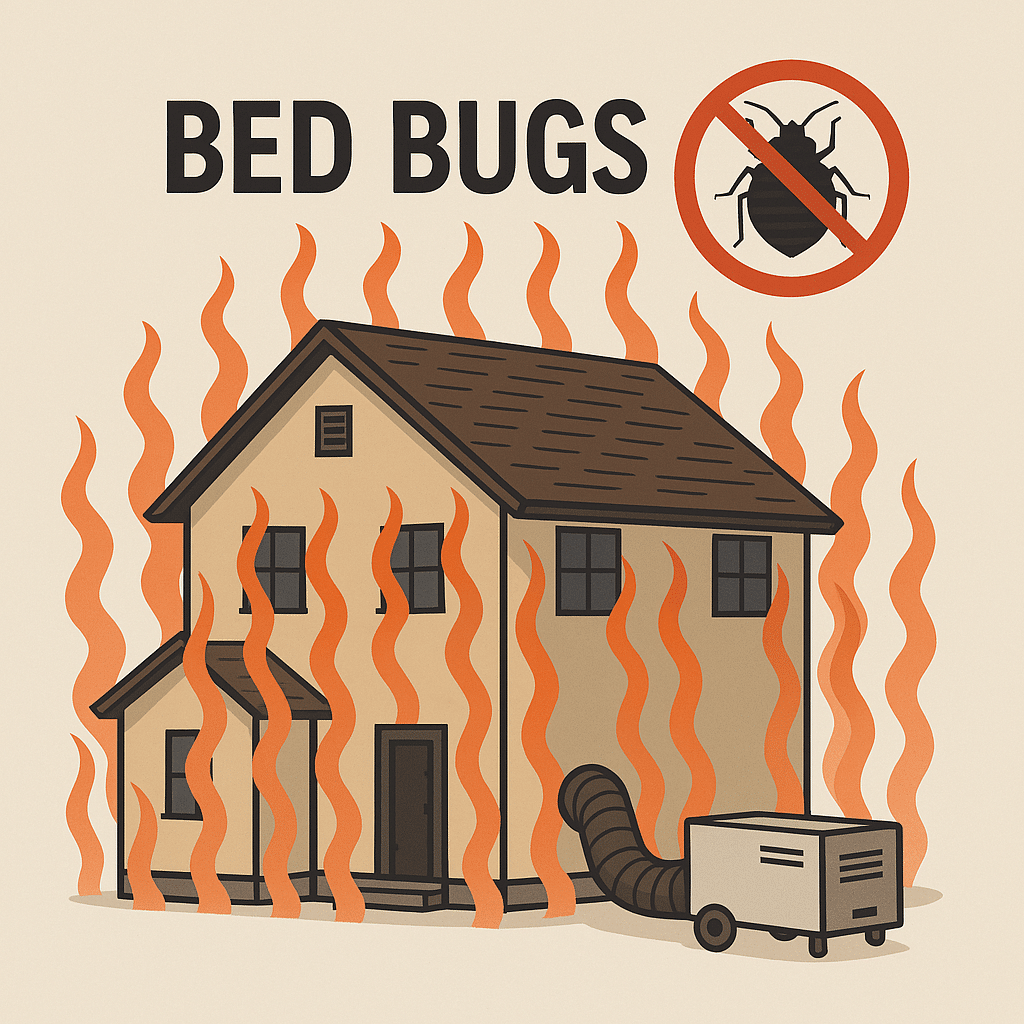
Heating the entire house is a bed bug scam
Some pest controllers now offer heat treatments, raising the temperature high enough to kill bed bugs and eggs. And yes, heat kills them instantly — where it reaches.
But inside walls, under floorboards, and deep inside furniture? The temperature often doesn’t get high enough. A few eggs survive, and when the room cools down, they hatch. Within days, the infestation returns.
And at $1,000–$3,000 per treatment, that’s a costly short-term fix.
Bed Bug Bites in Australia: How to Find, Treat and Prevent Bed Bugs Fast
Traditional Pest Control Relies on “Perfect Preparation”
Before the technician arrives, you’ll usually get a long prep list:
- Wash all linen on high heat.
- Empty wardrobes and drawers.
- Move the bed away from walls.
- Vacuum every crack and crevice.
Sounds simple, until you realise you’re doing half the work yourself. And if anything’s missed, the treatment fails. For families, community housing, or elderly residents, that level of preparation is often unrealistic. So infestations keep coming back.
No Lasting Protection After They Leave
As soon as the technician drives away, so does your protection. Bed bugs can crawl back in from neighbouring rooms, visitors, or second-hand furniture. Traditional pest control is reactive, it kills what’s visible today but offers no barrier for tomorrow.
That’s why they sell “follow-up treatments.” Because they know the bugs will return.
Bed Bugs Spread in Ways Sprays Can’t Control

Bed Bug Bomb Are A Scam
Sprays and foggers treat one room at a time, but bed bugs travel, through power points, along skirting boards, even through shared walls. In apartments and community housing, it’s common for them to move between units.
Unless you isolate your bed and create a physical barrier, you’ll always be chasing new infestations.
The Bed Bug Life Cycle Makes It Even Harder
Even if most adults die, bed bug eggs are tough. Their protective coating makes them resistant to sprays, steam, and even some heat levels. They hatch about 6–10 days later, and the cycle begins again. That’s why pest controllers often need multiple visits, and multiple invoices.
The Real Problem: No One’s Treating the Cause
Sprays and foggers attack symptoms, not causes. Bed bugs reach you by crawling up the bed legs, not flying in from space. Unless those legs are protected, the infestation will continue indefinitely.
The Smarter Alternative: The Bed Bug Barrier Isolation Method
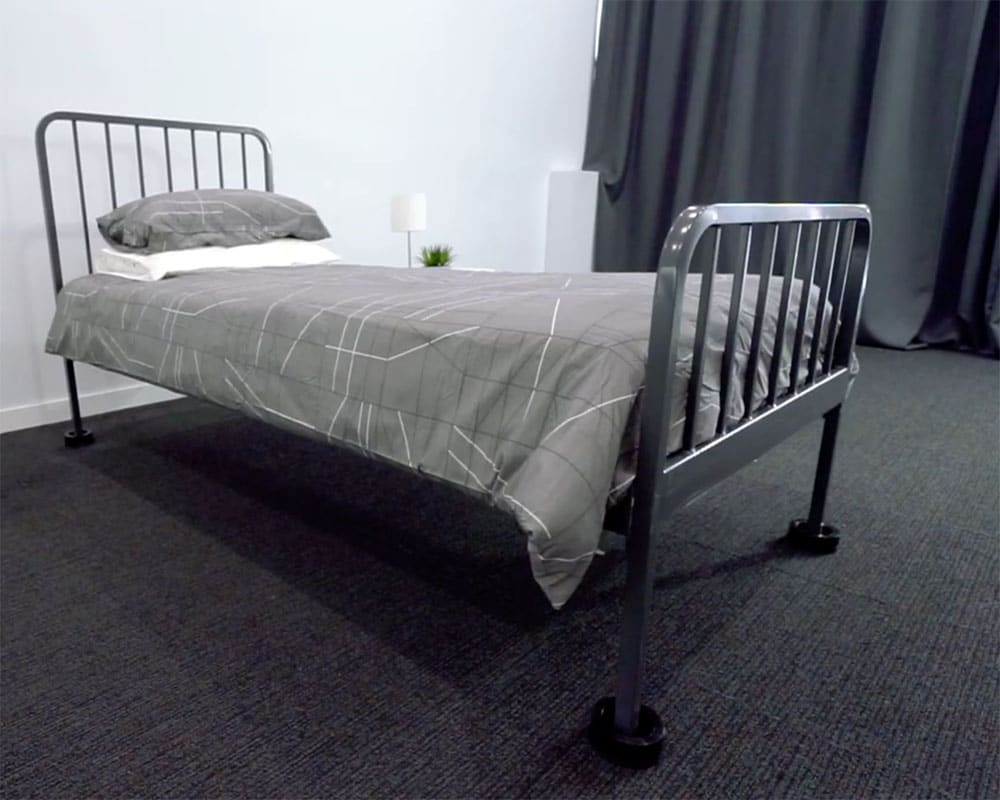
Control Bed Bugs Instantly with the Isolation Method
The Bed Bug Barrier Isolation Method isolates the bed and kills bed bugs physically, not chemically. It’s a smarter system that works instantly and keeps protecting for years.
- Instant Protection: Install Floor Barriers under each bed leg. Bed bugs can’t climb up, so you can sleep safely that same night.
- Instant Kill: Use a handheld steamer to kill visible bed bugs and eggs instantly.
- Long-Term Kill: Add Diatomaceous Earth (DE) powder inside the barriers and lightly dust the bed frame. Any bug that crosses it dies from dehydration within days.
- Permanent Prevention: Seal your mattress with a Bed Bug Proof Mattress Cover. Any trapped bugs die, and new ones can’t get in.
Set it up once, and the system keeps working for years, no re-spraying, no fumes, no maintenance.
Questions to Ask Before You Hire a Pest Controller
If you still want to hire professional help, ask these first:
- What methods do you use for bed bugs? (If it’s just sprays or fogging, that’s a red flag.)
- Do you provide long-term protection or just extermination? (You want prevention, not a temporary fix.)
- How many visits will it take and what’s the total cost?
- What guarantee do you offer? (If they hesitate, that’s your answer.)
- Are your methods safe for kids, pets, and the environment?
FAQ: Pest Control Fails With Bed Bugs
- Why doesn’t pest control work on bed bugs?
Most pest control treatments rely on chemical sprays that only kill bed bugs on contact. The problem is, bed bugs hide deep in cracks, walls, and furniture seams where sprays can’t reach. Many have also developed resistance to these chemicals, so even direct contact doesn’t always kill them. That’s why infestations often return soon after “professional” treatments. - How long do bed bugs live after a pest control treatment?
It depends on the method used. Chemical sprays can kill exposed bed bugs within hours — but hidden bugs and eggs usually survive. They can reappear in a few days to a few weeks. Only a system that isolates the bed and kills them physically (like with Diatomaceous Earth) guarantees long-term protection. - What’s the best alternative to pest control for bed bugs?
The most effective alternative is a DIY isolation system. The Bed Bug Barrier Isolation Method uses barriers under each bed leg, steam, mattress covers, and Diatomaceous Earth powder to stop bed bugs from ever reaching you. It’s non-toxic, low-cost, and keeps killing bed bugs for years, unlike sprays that wear off in days.
The Bottom Line: Why Pest Control Fails With Bed Bugs
Traditional pest control companies mean well, but they’re using outdated tools for a modern, adaptive pest. Sprays dry out. Heat fades. Eggs hatch. And unless you isolate your bed, the problem never ends.
The Bed Bug Barrier Isolation Method stops bed bugs in their tracks, no chemicals, no repeat visits, no hidden costs. It’s simple science that works in the real world.
TL;DR: Traditional pest control fails because it relies on chemicals that bed bugs hide from, and have already evolved to resist. Heat works short-term, but there’s no lasting protection. The Bed Bug Barrier Isolation Method isolates your bed, kills every bug that tries to reach it, and keeps killing for years, safely, organically, and permanently.
Read more:
Watch Our DIY Videos: Control Bed Bugs With The Isolation Method
Are you looking for an organic DIY treatment? These step-by-step videos show you exactly how to use the Isolation Method on different types of beds.
For an Ensemble Bed
For a Bed with Slats
If you enjoyed our blog, “Why Pest Control Fails With Bed Bugs,” you might also like to read about The Bed Bug Isolation Method.
Sources: Why Pest Control Fails With Bed Bugs
- U.S. EPA – Safety Issues in Controlling Bed Bugs (notes that heat has no residual effect).
- Virginia Tech Extension – Bed Bug Heat Treatments: What You Need to Know (why “once and done” heat often disappoints).
- PLOS ONE – Cuticle Thickening in a Pyrethroid-Resistant Strain of the Common Bed Bug (mechanism explaining chemical resistance).

Tony pioneered a non-toxic, eco-friendly solution for bedbug infestations. His innovation won the ABC TV show “The New Inventors” in 2009. In 2012, he successfully registered Diatomaceous Earth for bedbug control in Australia.





Leave a Reply