


In the article
Last Updated on 01/09/2025 by Tony Abrahams
If you’ve suddenly started feeling tiny crawling sensations or itchy bites in your home, and a quick Google search brings up the words “bird mites,” it can feel both strange and unsettling. Why do I have bird mites?
The good news is: bird mite infestations almost always start outside, and understanding why they show up in homes is the first step to getting rid of them.
What Do Bird Mites Look Like?
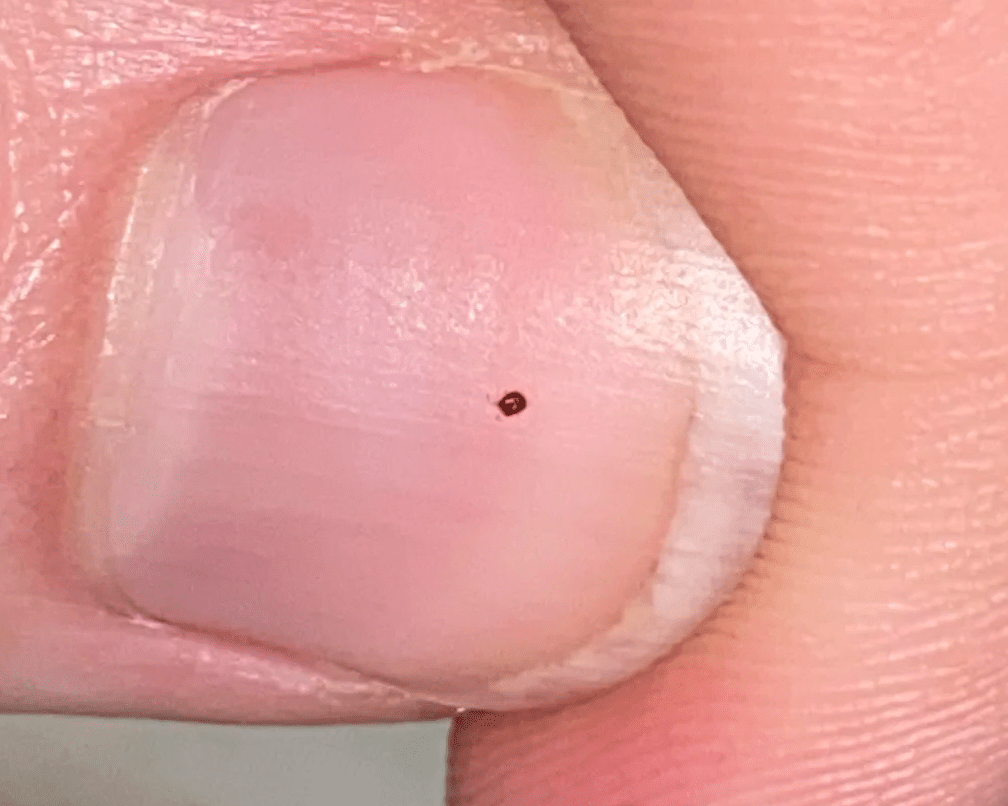
Bird mite on fingernail
Bird mites are extremely small and can be hard to spot without close inspection.
Here’s how to identify them:
- Size: About 0.5–1 mm, roughly the size of a pinhead.
- Colour: Usually translucent or pale grey, but may appear reddish after feeding on blood.
- Movement: Very fast and active, often seen crawling on walls, ceilings, or window frames.
- Clusters: They may appear in groups near entry points like vents or windowsills.
Because they are so tiny, many people mistake them for dust specks, until they start moving.
Why Bird Mites Infest Homes
Bird mites don’t magically appear. They follow birds. Once those birds leave the nest or die, the mites are forced to look elsewhere for a meal. If your home is nearby, that often means they come inside.
Nest Nearby = Mite Migration
The number one cause of bird mites indoors is an active or recently abandoned bird nest on or near your home. Common spots include:
- Roof eaves and soffits
- Chimneys and attic vents
- Gaps under solar panels or loose roof tiles
- Balconies and outdoor light fixtures
When birds leave the nest—especially after chicks fledge—mites lose their food source. They start migrating in search of blood and often enter homes through gaps, vents, and windows.
Seasonal Pressures
Late spring and summer are peak bird mite seasons:
- Nests are at full capacity, and mite populations explode.
- Once fledglings depart, mites are left behind and may spill over into nearby living spaces.
If you notice sudden itching during warm months right after birds have left a nest, bird mites are a prime suspect.
Climate and Environment
Bird mites love warm, humid environments. Homes are more vulnerable if they have:
- Sheltered nesting spots like roof cavities, balconies, or solar panel gaps
- High surrounding bird activity
- Mild winters or damp summers
How Do Bird Mites Get Into Your Home?
They Don’t Fly — But They Do Crawl
Bird mites are tiny, fast-moving crawlers. They don’t have wings and can’t fly, but they’re very good at traveling across surfaces—walls, ceilings, cracks, and vents. Once they’ve lost their bird host, they’ll follow warmth and carbon dioxide to find new lifeforms—like you.
Tree Nests and Rooflines
If a bird’s nest is in a tree close to your house, especially with overhanging branches near your roof, here’s what can happen:
- Mites crawl or fall from the nest onto leaves or branches.
- If those branches are touching or near the roof, gutters, or siding, mites can bridge the gap and crawl directly onto the structure.
- From there, they can enter through roof tiles, cracks, vents, or ceiling gaps.
They won’t crawl across 10 metres of grass, but if the tree gives them a shortcut? Absolutely.
Washing Lines and Outdoor Laundry
This is one of the most common and overlooked causes of indoor infestations:
- Bird mites can fall from nests in nearby trees, pergolas, or overhead lines directly onto laundry drying outside.
- They’re attracted to warmth and may cling to towels, bedsheets, or clothing.
- When you bring that laundry inside, you unknowingly bring mites with it.
Tip: Shake your washing out thoroughly before bringing it indoors—and avoid drying under areas where birds perch or nest.
Pets, People, and Nest Disturbance
Sometimes, mites get a lift indoors:
- If you’ve been cleaning a chicken coop or nesting area, mites may cling to your clothes, hair, or skin.
- Pets that hang out near nesting birds (or under trees with nests) can also bring mites inside.
- Disturbing a nest—accidentally or during removal—can trigger mites to scatter and crawl in all directions.
Shared Walls in Multi-Unit Buildings
In townhouses, apartment blocks, or duplexes, even if the nest isn’t near your space, mites can still find you:
- Mites in wall cavities can travel through gaps in skirting boards, air vents, light fittings, and ceiling cracks.
- A nest in a neighbouring unit’s roof void can lead to a building-wide infestation.
Wherever there’s a warm host and a pathway, bird mites will find a way. They’re persistent, but understanding how they move is key to blocking their entry.
Risk Factors for a Bird Mite Infestation
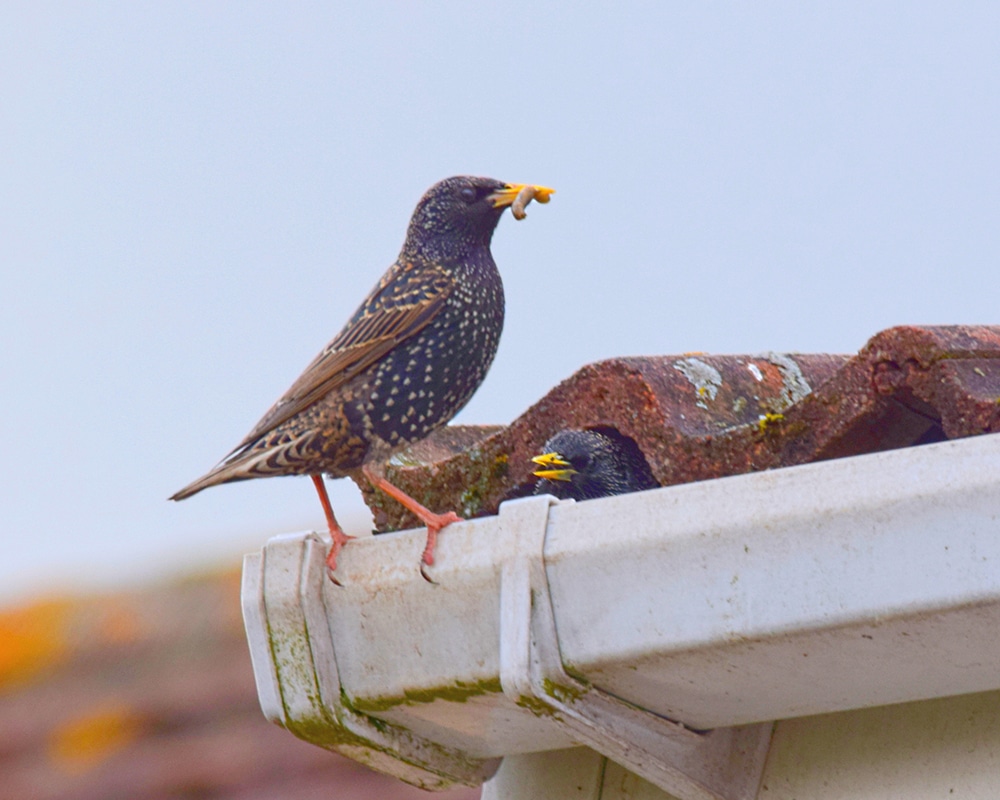
Birds nesting in your roof can have bird mites
Even if you don’t currently have mites, some home conditions make infestations far more likely.
Bird-Friendly Habitats on Property
Your property might be unintentionally inviting birds to set up nests. Risk factors include:
- Roof voids, gaps in eaves, or open attic vents
- Balconies with ledges or planters
- Outdoor bird feeders close to windows or doors
Where birds go, mites can follow.
Pets and Backyard Poultry
If you keep chickens, pigeons, or pet birds, you’re at higher risk:
- Mites can transfer from coops, aviaries, or perches to the home
- They may cling to clothing or pets and wander inside
- Regular coop cleaning and diatomaceous earth (DE) treatment is essential
Neighbouring Infestations
In apartments or terrace houses, a nest in a shared roof cavity or wall void can affect multiple units:
- Mites travel through gaps, ducts, and shared ventilation
- Often, the source is a nest you can’t even see—but the mites will still find you
Myths and Misconceptions About Bird Mites
“Is it because my house is dirty?”
No. Bird mites don’t care about crumbs, dust, or cleaning habits.
- Even the cleanest homes can get infested if birds are nesting nearby
- This is an outdoor pest problem, not a reflection on your hygiene
Not the Same as Bed Bugs
Although bird mite bites can itch like bed bugs, they are completely different pests:
- They originate from birds, not luggage, clutter, or travel
- They cannot sustain life on humans long-term
- They are tiny, fast-moving, and often found near windows or vents
Temporary Invaders
One small relief: bird mites cannot live indefinitely without birds.
- Most will die within 1–3 weeks without a host
- Removing the nest and cleaning affected areas accelerates their disappearance
How to Stop Bird Mite Infestations

Diatomaceous Earth Powder
To truly fix a bird mite problem, you must remove the source and block entry points.
Here’s a proven step-by-step approach to get rid of bird mites:
- Locate and remove bird nests (wear gloves and seal nests in bags).
- Vacuum and clean affected rooms, especially around windows, sills, and vents.
- Seal gaps and entry points to prevent mites from re-entering.
- Use diatomaceous earth (DE) powder in roof voids or around entry points to kill wandering mites.
- Protect bedding and soft furnishings with mite-proof mattress covers while mites die out.
Protect Your Home with the Right Products
At Bed Bug Barrier, we provide solutions that also stop bird mites from disrupting your home:
- Dust Mite & Waterproof Covers – Seal off your mattress, pillows, duvets, and couch cushions to protect them from mites.
- Organic Bed Bug Killer Powder (Diatomaceous Earth) – Safe for humans and pets; kills mites when applied to nests in attics, wall voids, and around entry points.
- Handheld Steamer – Instantly kills any mites on surfaces, cushions, or dog beds.
Combine these steps with nest removal and thorough cleaning for the fastest relief.
FAQs: Why Do I Have Bird Mites
1. What causes bird mites to come into houses?
Bird mites move indoors when their bird hosts leave a nest, seeking a blood meal. They usually enter via vents, windows, or roof gaps.
2. Do bird mites live on humans?
No. They can bite humans but cannot survive long-term without bird blood.
3. How do I know if my house has bird mites?
Common signs: itchy bites, tiny specks moving, and activity near windows or ceilings after nearby birds leave.
4. How long do bird mites live without birds?
They typically die in 1–3 weeks without a bird host, but proper cleaning speeds this up.
5. Can cleaning alone get rid of bird mites?
Not always. Nest removal and DE treatment are the fastest ways to ensure they’re gone for good.
DIY Bird Mite Solution – How to Stop Infestations Fast
If you have enjiyed our blog, Why Do I Have Bird Mites?, then you might like to read What Is Biting Me At Night?
Sources: Why Do I Have Bird Mites?

Tony pioneered a non-toxic, eco-friendly solution for bedbug infestations. His innovation won the ABC TV show “The New Inventors” in 2009. In 2012, he successfully registered Diatomaceous Earth for bedbug control in Australia.





Joan says
What can you use if you are immunocompromised and cannot do diatomaceous earth
Tony Abrahams says
Hi Joan
If someone is immunocompromised and cannot use diatomaceous earth, good alternatives include:
Steam treatment to kill bed bugs and eggs instantly.
Mattress encasements to trap any bugs inside.
Bed isolation using interceptor/barrier traps under each bed leg and keeping the bed away from walls and furniture.
These methods avoid the use of dust while still providing effective bed bug control.
KAREN BAIRD says
We have a large pencil pine on our nature strip that is full of pigeons nesting. My husband has been trying to clean up the old needles and bird poo, and we are now both being bitten by some bug. It’s extremely small and moves across our skin quickly. Would this be bird mites, and how do we solve the problem when our council won’t let us get rid of the tree. There would be at least 6-8 pairs of pigeons nesting in it
Tony Abrahams says
Hi Karen. Maybe ask the council if you’re allowed to lightly dust the pigeon nests and areas with diatomaceous earth (DE). It’s non-toxic and works mechanically rather than chemically, so it can be a safer way to reduce bird mites at the source without removing the tree. Regards Tony
Connie Gowgiel says
Thank you. My family thought I was imagining all these Bugs that I was complaining about.I they have taken over my recliner.
Tony Abrahams says
Hi Connie. Oh that sounds incredibly stressful. And honestly, you’re not the only one who’s been dismissed when something’s clearly going on. If they’ve taken over your recliner, that’s usually a sign they’re nesting nearby. I’m glad you found the blog though… you’re not imagining it, and there are ways to get on top of it. If you want help working out next steps, just say. Regards BBB
Erin says
I live in Hawaii where chickens just run free all the time and I feel like I’ve brought them into my house. People are saying I have a psychological condition but I’ve taken photos and I can share them with you but I’m freaking out.
Tony Abrahams says
Hi Erin
The good news is that what you’re describing is actually pretty common in places like Hawaii where wild chickens wander everywhere. Bird mites can definitely travel indoors, especially if birds are nesting close to the house or sitting on railings, roofs, or outdoor furniture.
If you have photos, please feel free to send ith. It’s always better to identify the problem properly rather than guessing.
Just so you know, Diatomaceous Earth (DE) is often used around chickens and chicken coops because it’s non-toxic and safe when used correctly. Many people apply it in nesting areas, around perches, and on coop floors to help control mites. So it’s something that can protect both your home and the birds in your environment.
Regards Tony