


In the article
Last Updated on 01/09/2025 by Tony Abrahams
Bird mites are tiny, fast-moving parasites that usually live on birds, tucked under feathers or in nests. When fledglings leave or a nest is abandoned, mites go looking for a new host. Sometimes that is your home. The worry is understandable. Are bird mites harmful to you, your family, or your pets? Short answer, they can bite and cause discomfort, but they are not as medically dangerous as many fear.
What Do Bird Mites Look Like?
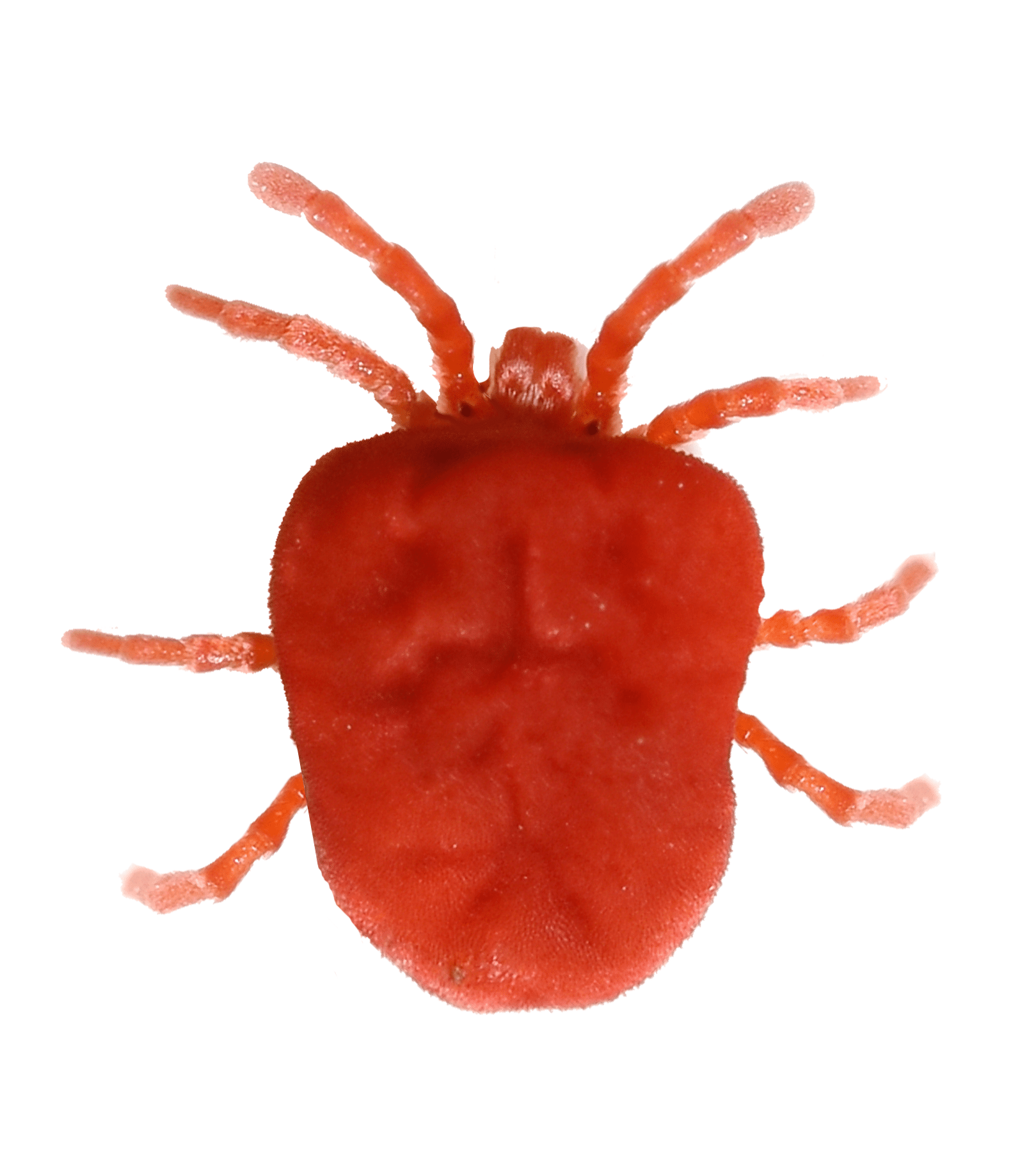
Bird mites are tiny specks (0.3–0.8 mm), pale or grey when unfed and reddish after feeding
Bird mites are very small arachnids, usually 0.3 to 0.08 mm long. To the naked eye they look like tiny moving specks on light surfaces. Under a hand lens they appear oval with eight legs (the larval stage has six). Freshly fed mites can look darker or slightly reddish, while unfed mites look pale or translucent.
- Size: about the size of a fine sand grain, often easiest to spot when moving.
- Colour: translucent to grey or off-white when unfed, darker after a blood meal.
- Shape: oval, soft-bodied, with a small head region and a broader rear section.
- Movement: quick, erratic crawling, often seen on ceilings, walls, bed frames and near windows.
- Where you’ll find them: close to bird nests in roof voids, eaves and vents, then migrating indoors along ceilings, curtains and bedding seams.
Bird mites vs bed bugs vs dust mites
| Feature | Bird mites | Bed bugs | Dust mites |
|---|---|---|---|
| Typical size | 0.3–1 mm | 4–5 mm | 0.2–0.3 mm (microscopic) |
| Colour | Translucent to grey, red after feeding | Reddish-brown, flat | Translucent, not visible without a microscope |
| Speed | Slow crawling | Fast crawling | Slow crawling |
| Bites humans | Yes, temporary feeder | Yes, primary feeder | No, causes allergies from droppings |
| Common locations | Near bird nests, ceilings, walls, bedding edges | Mattresses, bed frames, furniture seams | Bedding, upholstery, carpets |
How to confirm what you’re seeing
- Press a strip of clear tape onto the speck, fold it over, and label the room and date.
- Place the tape on white paper and use a 10× hand lens or macro photo to check legs and body shape.
- Collect several samples from different rooms to rule out lint or pepper-like debris.
- If you are unsure, take a close, well-lit photo and submit it for identification.
Can Bird Mites Bite Humans (and Pets)?
- Bites on Humans: Yes, bird mites can bite people. Bites often appear as small, red, itchy bumps that can look like mosquito or flea bites. They tend to show up on arms, legs, neck, or other exposed skin during sleep. Crucially, bird mites do not burrow into the skin and do not live on the body long-term. They bite, feed briefly, then drop off.
- Effects on Pets: Dogs and cats may also be bitten, which can lead to scratching, restlessness, or irritated patches of skin. Pet birds such as parrots, canaries, and budgies are more vulnerable. Heavy infestations can cause feather loss, constant preening, and in severe cases anaemia.
- Who Is Most Sensitive: People with sensitive skin or allergies may react more strongly with extra redness or mild swelling. Children can be more prone to scratching, which raises the risk of secondary infection if the skin breaks. It is common for one family member to react while others barely notice anything at all.
Health Risks and Myths: Are Bird Mites Harmful?
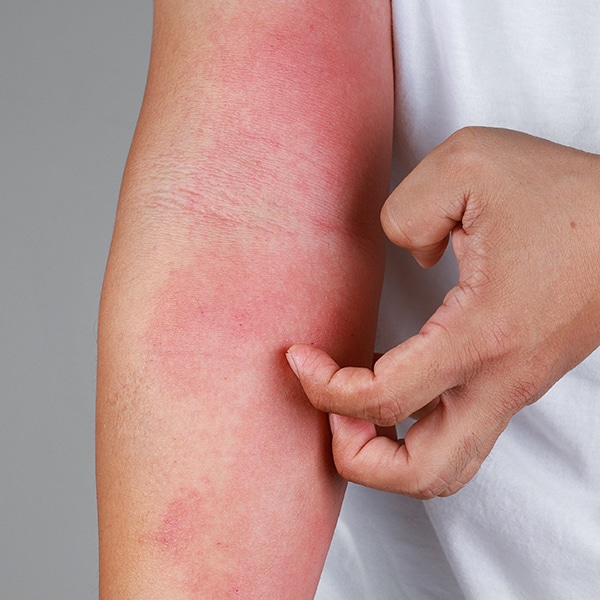
Bird mites can cause allergic reactions
Disease Transmission
Good news. Bird mites are not known to transmit diseases to humans. They are irritating, but they are not considered vectors of human pathogens.
Allergic Reactions
A minority of people experience stronger allergic responses such as pronounced itching, hives, or a wider rash. The main risk is not from the mite itself, but from scratching, which can open the skin and allow a secondary bacterial infection.
Psychological Stress
Infestations can take a mental toll. The constant itching, the uncertainty, the late-night searching for “what is biting me” can lead to anxiety and poor sleep. Restoring peace of mind is part of solving the problem, alongside the physical removal of mites and nests.
Dealing with Mite Bites and Discomfort
Treating the Itch
- Wash bite areas with soap and cool water.
- Apply calamine lotion or a mild hydrocortisone cream to soothe irritation.
- Consider an oral antihistamine if itching is widespread.
- Avoid scratching where possible to reduce the chance of infection.
Cleaning Yourself and Your Home
- Take a hot shower to remove any stray mites from skin or hair.
- Launder bedding, clothing, and curtains on a hot cycle and dry on high heat.
- Vacuum carpets, rugs, mattresses, and upholstery thoroughly and regularly.
- Locate and safely remove bird nests in roof spaces, eaves, or chimneys.
Without their bird host, bird mites cannot sustain themselves for long. Quick, methodical cleaning shortens the discomfort window.
When to Seek Help
See a doctor if bites are very swollen, painful, oozing, or if you develop a spreading rash or fever. If the infestation feels overwhelming, consider professional pest control to remove sources quickly and safely. Remember, bird mites cannot live on humans long-term and will fade once the source is removed.
Products That Can Help With Bird Mites
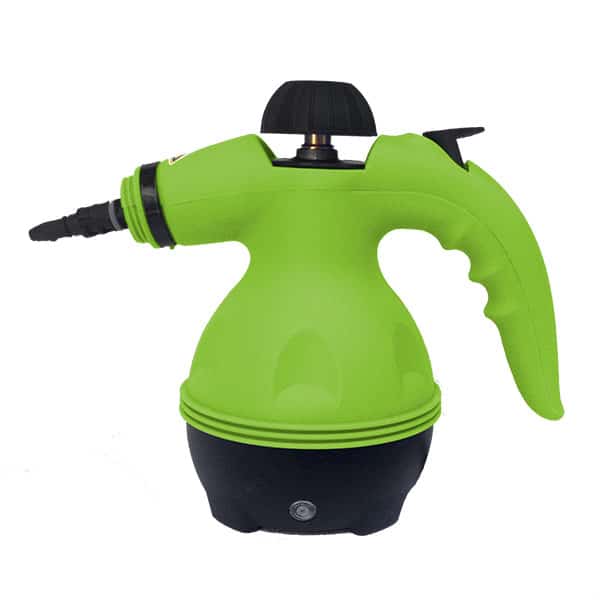
Steam can kill bird mites instantly
The right tools speed up relief and help prevent a repeat.
- Protective covers – Dust-mite and waterproof covers for mattresses, duvets, pillows, cushions, couch seats, and pet beds reduce hiding places and make spotting stains or activity easier.
- Steam cleaners – Superheated steam kills bird mites on contact on fabrics, seams, and hard-to-wash items.
- Diatomaceous Earth (Bed Bug Barrier Powder) – A non-toxic, pet-safe mineral dust used in roof voids, wall gaps, and concealed runways. It works by dehydrating mites over time, supporting long-term control when the nest source has been removed.
Used together, these products provide immediate knockdown and durable prevention while you eliminate nests and close entry points.
FAQ: Are Bird Mites Harmful?
- Can bird mites live on humans long-term? No. Bird mites cannot survive on humans for more than a short period. They may bite and cause irritation, but without a bird host they die off quickly once the source (like a nest) is removed.
- Why do I keep getting bitten at night if bird mites don’t stay on me? Bird mites are most active in the dark and often crawl out at night searching for a host. Even though they don’t live on humans, they may bite repeatedly if the infestation isn’t eliminated. That’s why removing nests and treating your environment is essential.
- How can I tell if it’s bird mites and not bed bugs or dust mites? Bird mites are tiny (0.3–0.8 mm), fast-moving, and often appear as specks on ceilings or walls near windows or lights. Bed bugs are larger (4–5 mm) and slow, while dust mites are microscopic and invisible to the naked eye. Using tape to collect samples and inspecting with a magnifier can help confirm.
Key Takeaway: Are Bird Mites Harmful
Bird mites are a nuisance rather than a danger. They can bite humans and pets, trigger itch and occasional allergic reactions, and cause sleepless nights, but they are not known to spread diseases and they do not live on people.
Treat bites for comfort, remove nests promptly, clean thoroughly, and support your home with protective covers, steam, and targeted dusting where appropriate.
Watch How Our Products Help Protect Against Bird Mites
If you enjoyed our blog, Are Bird Mites Harmful?, then you might like to read about Bird Mites 101.
Sources: Are Bird Mites Harmful

Tony pioneered a non-toxic, eco-friendly solution for bedbug infestations. His innovation won the ABC TV show “The New Inventors” in 2009. In 2012, he successfully registered Diatomaceous Earth for bedbug control in Australia.




Leave a Reply