


In the article
Last Updated on 23/10/2025 by Tony Abrahams
They are called bed bugs because they are bugs that prefer to live on beds. However, they also nest in sofas, mattresses, clothing, and other furnishings near the bed. Bed bugs love dark places and often nest in the seams and folds of fabric. These tiny, blood-sucking pests have been the bane of humankind for centuries.
It’s time to dive into the fascinating, albeit a bit creepy, history of these nocturnal nuisances and discover how they earned their reputation as the stealthy vampires of the insect kingdom.
The Origins of Bed Bugs: A Historical Perspective
Bed bugs have been around for ages. Like, we’re talking back to ancient Egyptian times here. Archaeologists have found bed bug remains in tombs from over 3,000 years ago. Can you imagine dealing with bed bugs without modern pesticides or mattress covers? No thanks!
Old books and writings show that folks in ancient Greece, Rome, and medieval Europe also had to put up with these blood-sucking bugs. Anywhere people shacked up together in close quarters—like castles, army barracks, or inns—bed bugs would find a way to move in and chow down.
These hitchhikers spread by latching onto travellers’ belongings as they moved from place to place. Once they got into an area, bed bugs would set up home in beds, furniture, and anywhere else people slept. They’ve been the world’s most annoying roommate for thousands of years!
Understanding Bed Bugs: Habits and Habitats
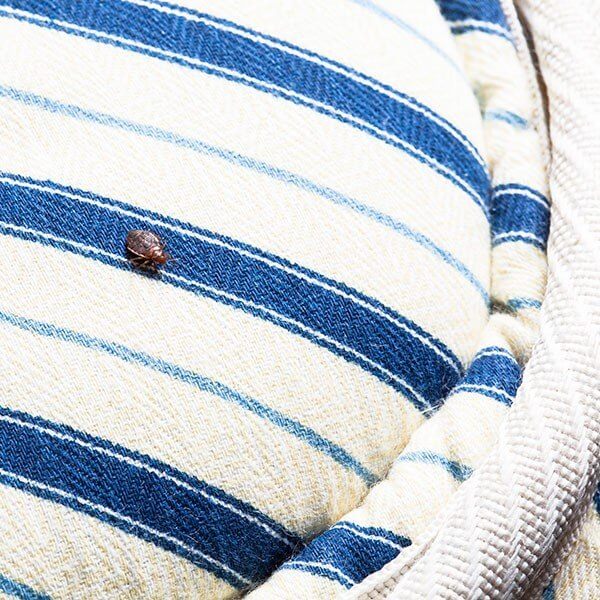
Bed bugs’ preferred nesting habit is to live on the mattress.
Bed bugs hide throughout the daytime and stay away from places that are busy and bright at night. To find their hosts, they use carbon dioxide, heat, and humidity. Bed bugs like to feed on people’s faces, necks, arms, and hands, which are all open to the air.
Do you wonder why people are not bothered when bed bugs are sucking their blood? That is because bed bugs inject anticoagulants and anesthetics through their saliva. This causes an allergic response that shows up as a colourless wheal, welt, or lump where they bite you. Bed bugs leave behind semisolid and sticky waste that looks like reddish-black spots on pillows or furniture nearby after they poop. Spots and musky odours are significant signs that bed bugs are present.
The best places for bedbugs to live are paper, wood, and clothing, but they may also reside on metal, rock, or cement. In places where they are common, they can be found in mattress seams, coils, cracks in the bed frame, nightstands, wardrobes, boards, wood panelling, and in rooms close to where hosts sleep.
Bed bugs are very fast and can quickly spread to other areas in a house or workplace. They are capable of moving from one room to another in housing complexes, both up and down and side to side. Long-distance infestations happen when things that are already infested, like beds, furniture, or packing items, are moved to new places. Bed bugs can also be brought back and forth by visitors in their clothes, baggage, and laptop or iPad cases.
Oh, and these bugs can live for months between feedings. Once bed bugs infiltrate, they multiply quickly and spread throughout a home or building if left unchecked. Pretty soon, you’ve got a full-blown infestation on your hands.
The Global Spread Through the Ages
Via travellers, trade routes, and their sneaky hitchhiking skills, bedbugs made their way around the world through the centuries. By the early 1900s, bedbugs had become global pests that followed humans just about everywhere.
With the rise of modern heating and pesticides like Dichlorodiphenyltrichloroethane (DDT) after World War II, bedbugs nearly vanished in more developed countries. People thought these blood-suckers were gone for good! But not so fast.
In recent decades, a perfect storm brought them back: more travel and tourism, bans on effective older pesticides, and new pesticide resistance. They have unfortunately made a major comeback in homes, hotels, offices, and public places in the past 20 years.
Common Myths vs. Facts About Bed Bugs
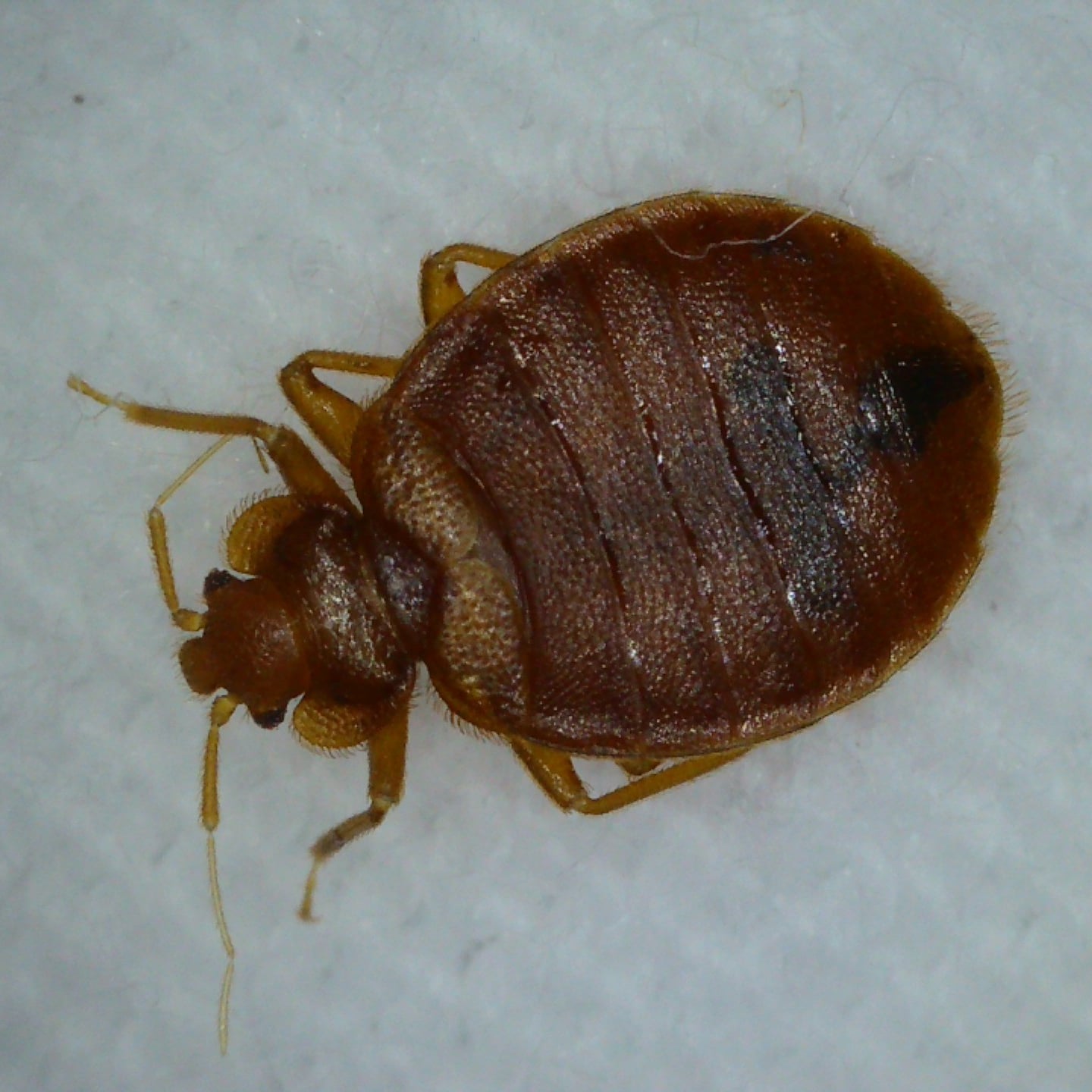
Adult Bed Bug
There is a lot to be said and learned about bedbugs. Unfortunately, some information about these tiny creatures is not at all accurate. Here are some of the commom myths about bed bugs and the truth behind each one.
- Myth: Are only found in dirty places.
- Fact: Are not attracted to dirt or filth. Bedbugs can be found in clean environments as well. They are attracted to warmth, carbon dioxide, and the scent of blood. They choose, however, to stay and grow in dark, hidden spots so they won’t easily be visible to human eyes.
- Myth: Are too small to see
- Fact: While small, they are not microscopic nor invisible to the naked eye. Adult bed bugs are about the size of an apple seed, and you can see and recognise them with your eyes.
- Myth: Only infest beds and mattresses.
- Fact: While they are often found in and around beds, they can also be found in other areas of a home, such as furniture, couches, carpets, cracks in walls, and even in electrical outlets.
- Myth: They transmit diseases.
- Fact: There is no conclusive evidence that they transmit diseases or make you sick. Their bites can cause itching and discomfort, but they are not known carriers of infectious or deadly diseases.
- Myth: Are only a problem in low-income areas
- Fact: Bedbugs can infest any environment, regardless of income or cleanliness. Whether you’re living in a studio apartment or a villa mansion, you are not exempted from the possibility of a bed bug infestation.
Preventing and Treating Infestations: Modern Solutions

Dust your bed frame and slats with DE to prevent bed bugs.
Even though bed bugs are still as irritating as ever, they’re no match for modern science and a smart approach. With the right methods, you can get a bed bug infestation under control — and make sure it never comes back. Here’s how:
- Inspect your bed, furniture, luggage, and baseboards for early signs of activity, especially after travelling. Catching an infestation early saves time and stress.
- Reduce clutter and seal cracks in walls or furniture to remove potential hiding spots.
- Dust your bed frame with Diatomaceous Earth (DE) to kill bed bugs as they crawl across it. A light, even coating on the frame and slats provides long-lasting protection.
- Use bed bug proof mattress covers and barrier traps under bed legs to isolate the bed and prevent bed bugs from climbing up.
- Wash all bedding and clothing on the hottest setting to destroy both bugs and eggs.
- Invest in safe, eco-friendly DIY bed bug treatment products that make ongoing prevention simple. You’ll save time, money, and avoid the toxic chemicals that pest controllers rely on.
With consistent vigilance and the right setup, you can stay completely bed bug-free, and enjoy peaceful, bite-free sleep again. No more midnight itches or bed bug bites in Australia.
Read More About How To Prevent Bed Bugs
Conclusion: Why Are They Called Bed Bugs?
And there you have it, the centuries-long saga behind the bed bug’s name and where it came from. These hitchhiking blood-suckers have thrived in people’s beds since ancient times. Don’t let them take over your mattress!
If you want to defend your space against bed bugs, be sure to check out our bed bug treatment and our DIY bed bug products and methods. Our solutions can help you protect your home and finally gain victory over these pesky vampires of the insect world. Don’t live in fear of bedbugs—fight back! Contact us today to learn more.
Frequently Asked Questions: Why Are They Called Bed Bugs?
- Why do bed bugs go for beds?
Bed bugs go for beds because that’s where their food source—you—is easiest to reach. They’re attracted to the warmth of your body, the carbon dioxide you exhale, and even the faint traces of skin oils and scent left on bedding. Since people spend hours lying still in bed, it becomes the perfect feeding zone. They hide in cracks, seams, and joints nearby—mattresses, headboards, even screw holes—then crawl out at night to feed for a few minutes before retreating to hide again. Beds aren’t their only hiding spots, but they are their favourite for convenience and survival. - What kills bed bugs permanently?
Killing bed bugs permanently usually requires a combination of methods—no single spray or trick does it all. Diatomaceous Earth (DE) is one of the most effective non-toxic solutions because it kills them through dehydration and keeps working for years. Heat treatments can also be highly effective if every surface reaches above 50°C, which destroys both bugs and eggs. For long-term protection, sealing your mattress, steaming problem areas, and isolating your bed using bed leg barriers ensures they can’t reach you or reproduce. The key isn’t just killing them once—it’s stopping the survivors from returning. - Where do bed bugs come from originally?
Bed bugs have been around for thousands of years. They’re believed to have originated in ancient caves where they fed on bats before moving on to humans when we began living in enclosed shelters. Over time, as people started travelling more and sleeping in shared spaces, bed bugs adapted perfectly to us—they can survive months without feeding, hitchhike on luggage and clothing, and thrive anywhere humans rest. Today’s infestations are just the modern continuation of a very old relationship between people and these resilient little parasites.
Watch Our DIY Videos: How To Control Bed Bugs With The Isolation Method
Are you looking for an organic DIY treatment? These step-by-step videos show you exactly how to use the Isolation Method on different types of beds.
For an Ensemble Bed
For a Bed with Slats
If you have enjoyed our blog, Why Are They Called Bed Bugs?, then you might like to read about Bed Bug Sprays.
Sources: Why Are They Called Bed Bugs?

Tony pioneered a non-toxic, eco-friendly solution for bedbug infestations. His innovation won the ABC TV show “The New Inventors” in 2009. In 2012, he successfully registered Diatomaceous Earth for bedbug control in Australia.





Leave a Reply