


In the article
Last Updated on 05/01/2026 by Tony Abrahams
TL;DR: Bed bugs don’t just appear out of nowhere. If you’ve ever wondered where do bed bugs come from, the answer is usually that they hitchhike into your home on luggage, clothing, furniture, or even visitors after contact with an infested place like a hotel or Airbnb. It has nothing to do with cleanliness, so anyone can get them. They hide in cracks, seams, and furniture, breed quickly, and can spread through apartments and shared spaces.
The best way to stop them is early detection and a smart DIY setup using steam for instant kill, diatomaceous earth powder for long-term protection, and bed leg barriers to isolate the bed so any bug trying to reach you is forced through the powder. This gives you immediate relief while the infestation dies off.
Origins of Bed Bugs
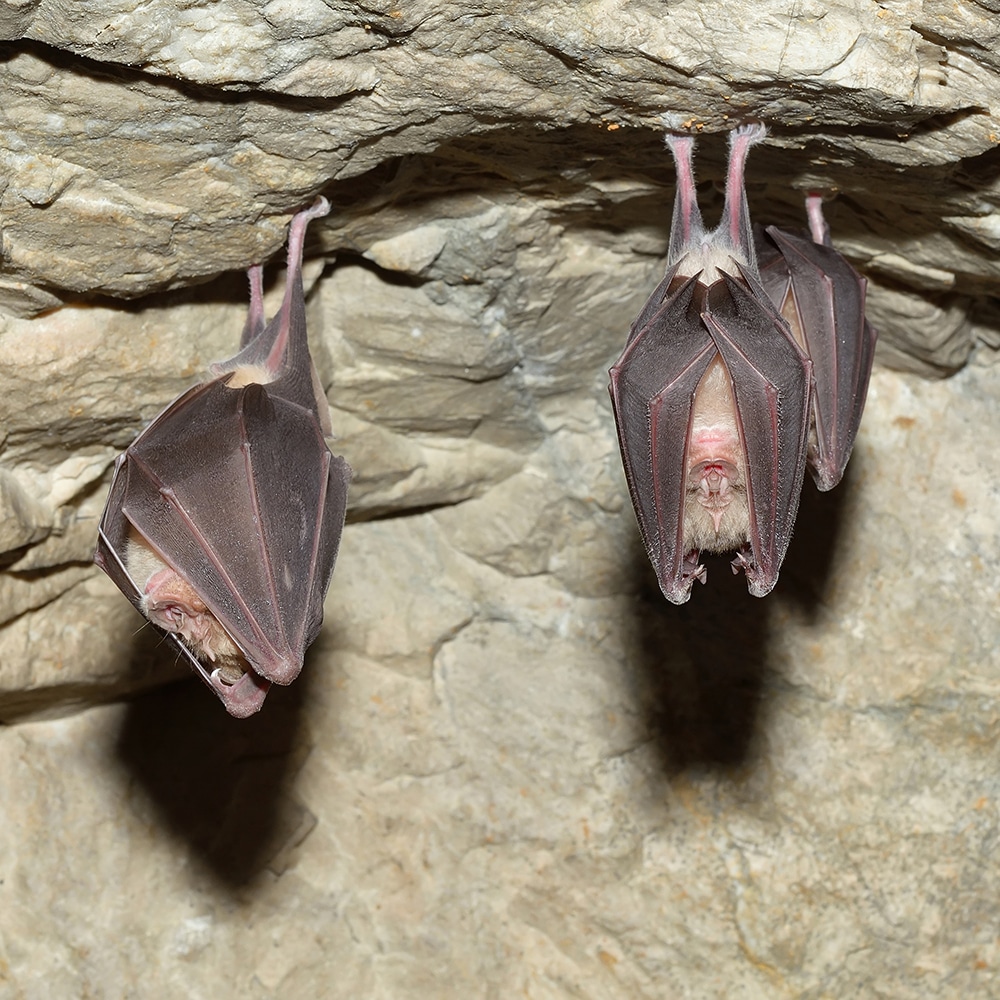
Bed bugs are thought to have evolved from bat bugs that once lived in caves.
Bed bugs aren’t a new problem at all. In fact, they’ve been living alongside humans for thousands of years. Wherever people have travelled, bed bugs have quietly travelled with them, spreading across Asia, Europe, America, Africa, and beyond. As modern international travel exploded, so did the bed bug population. One suitcase, one hotel stay, one backpack… that’s often all it takes for them to move into a new home or country.
Scientists have even discovered ancient evidence of bed bugs in archaeological sites, which shows just how long this relationship has existed. They were an everyday nuisance right up until the mid-1900s, when strong chemical pesticides temporarily knocked their numbers down. But over time, bed bugs developed resistance, chemicals changed, and global travel increased. The result? Bed bugs have made a comeback — and they’re now found in almost every city in the world.
Today, we understand their biology much better. We know they thrive anywhere people sleep, hide in the smallest cracks, and can survive for months without feeding. This research has also led to safer treatment methods, such as physical powders like diatomaceous earth that work by dehydrating the bugs rather than poisoning your home. It’s a modern solution to a very old problem — and one that proves bed bugs have always been excellent at sticking close to us, wherever we go.
How Do Bed Bugs Travel
Bed bugs are the ultimate hitchhikers. They sneak into homes and businesses in all sorts of ways. Travel is a big one. These bugs can hide in your luggage, clothes, and other personal items, spreading wherever you go.
Secondhand furniture is another common culprit. You might bring home a couch or a bed frame, not knowing it’s already infested. This is especially common in places like college dorms and apartments where furniture gets swapped around a lot.
Here’s a quick list of how bed bugs get around:
- Luggage: They love to hide in your bags when you travel.
- Clothing: They can latch onto your clothes and move to new places.
- Furniture: Secondhand furniture can be a hidden nest for bed bugs.
- Boxes and Bedding: These can also be sneaky hiding spots.
Bed bugs can even move between rooms and floors in hotels or apartment buildings, so it’s crucial to stay alert in these places.
How to Tell If You Have Bed Bugs

Bed Bug Bites Are Usually Your First Sign Of Bed Bugs
Here’s what to look for if you think you might have bed bugs:
- Bite Marks: Bed bug bites are itchy and can cause allergic reactions. They usually show up in lines or clusters on your skin.
- Blood Stains: Look for tiny blood spots on your sheets, pillowcases, and mattress. These can look rusty or reddish.
- Fecal Spots: Bed bugs leave behind small, dark spots of excrement. You might find these on your bedding, walls, or furniture, especially near mattress seams and furniture joints.
- Shed Skins: As they grow, bed bugs shed their exoskeletons. Finding these is a strong sign you’ve got an infestation.
- Musty Odor: A big infestation can give off a musty, sweet smell from the bugs’ scent glands.
Why Catching Bed Bugs Early Matters
Finding bed bugs early is super important for a few reasons:
- Stop the Spread: Catching them early can keep them from spreading to other parts of your home or hitching a ride to new places.
- Save Money: It’s cheaper and easier to deal with a small infestation than a big one.
- Health Benefits: Early detection can help reduce the health problems caused by bed bug bites, like itching, allergic reactions, and stress.
- Better Control: Knowing how bed bugs live, eat, and reproduce helps you spot them and keep an eye out after treatment.
By keeping an eye out for these signs, you can act fast to tackle bed bug problems and keep them from getting worse.
The Bed Bug Life Cycle
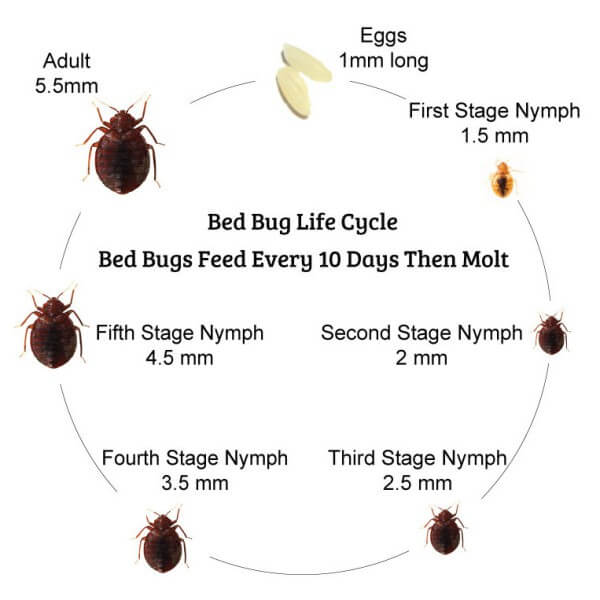
The 7 Stages Of The Bed Bug Life Cycle
Bed bugs are like the rabbits of the insect world—they multiply fast. A single female can lay between five to seven eggs a week, which adds up to over 250 eggs in her lifetime if she’s well-fed. Some sources even say they can lay up to 541 eggs! These eggs hatch in about 10 days, and in just three weeks, those baby bugs are all grown up and ready to start the cycle again.
| Stage | Time Taken |
|---|---|
| Egg | 10 days |
| Nymph | 5-6 weeks |
| Adult Lifespan | 6-18 months |
Read More About The Bed Bug Life Cycle.
How Do Bed Bugs Travel In Your Home
These critters are not just homebodies; they love to travel. They can crawl from one room to another in no time. In apartment buildings, they can move up, down, and sideways between units through powder points. Long-distance moves happen when they hitch a ride on your stuff—think bedding, furniture, or even your suitcase. Yep, they can sneak into your clothes, luggage, your laptop or laptop bag.
| Travel Method | Example |
|---|---|
| Short Distance Crawling | Moving from room to room |
| Vertical Movement | Climbing to different floors |
| Horizontal Movement | Spreading to adjacent units |
| Long Distance Transport | Traveling with luggage |
These bugs are masters of hide-and-seek. They love tiny cracks and crevices. You’ll find them in mattress seams, bed frames, headboards, and even behind wallpaper or under carpets. Their hiding skills make it tough to spot them early, which is why knowing where to look is half the battle. For more tips on spotting and stopping them, visit how did i get bed bugs?
Effective Bed Bug Control: Why the Isolation Method Works Best
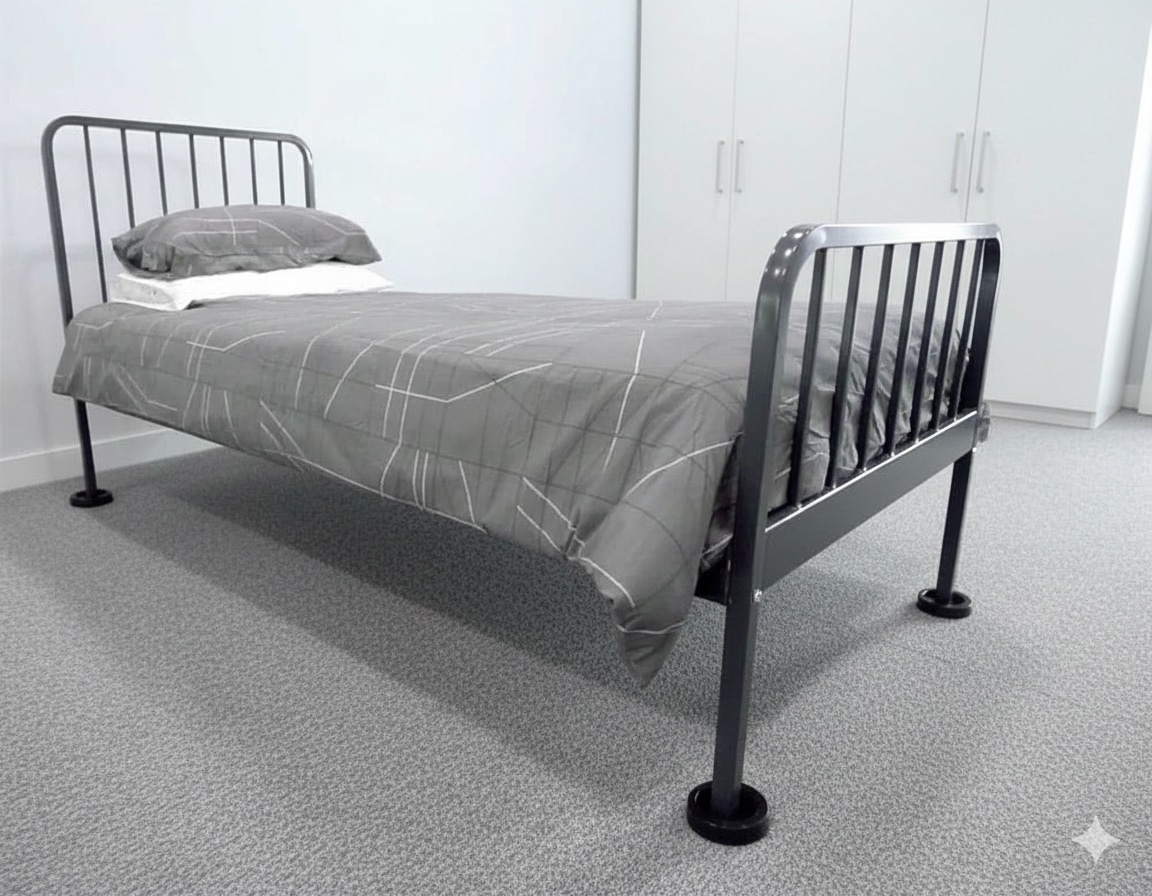
The Bed Bug Isolation Method created instant protection from your room.
Treating bed bugs doesn’t have to mean spraying chemicals everywhere, washing the whole house, or living out of plastic bags for weeks. The easiest way to win is to stop thinking about “treating the room” and instead focus on the one thing bed bugs want more than anything else… your bed.
That’s exactly what the Isolation Method does. It isolates the bed and forces every hungry bed bug in the room to cross a lethal barrier to reach you. Which means you get instant relief from bites while the infestation collapses naturally over time.
Simple. Logical. And way less stressful.
Why the Isolation Method Is Better
- Faster relief – you can sleep in the room the same night without being bitten
- Cheaper – no repeat pest control visits or chemical sprays
- Easier – you only clean and treat the bed, not the whole room
- Non-toxic – safe for families, pets, and long-term use
- Long-lasting – the system keeps killing bed bugs for years
Instead of chasing bed bugs all over the house, you make them come to you… and you control the pathway.
How the Isolation Method Works
1. Kill Bed Bugs Instantly with Steam
Use a Bed Bug Steamer to kill live bed bugs and their eggs on contact. Steam is perfect for seams, buttons, bed frames, edges and cracks where they like to hide.
You don’t need to steam the whole house. Just focus on the bed and frame.
2. Protect the Bed with Mattress Encasements
Seal your mattress and ensemble base inside a Bed Bug Mattress Cover. This traps any existing bugs inside and stops new ones getting in.
No sprays. No residue. Just permanent protection.
3. Create a Lethal Barrier Around the Bed
Apply Bed Bug Killer Powder (Diatomaceous Earth) to the bed frame and install either Screw-In Bed Bug Barriers or Floor Bed Bug Barrier Traps under every bed leg.
As hungry bed bugs travel to feed, they must cross the powder. It damages their exoskeleton and they dehydrate and die. No poison. No smell. No re-application every few days.
That’s the secret: you turn your bed into a controlled zone the bugs can’t survive walking through.
Why This Beats Traditional Bed Bug Treatments
| Method | What Happens | Downsides |
|---|---|---|
| Chemical spraying | Relies on direct contact or residue | Repeat visits, toxic exposure, bed bugs often develop resistance |
| Foggers / bombs | Push bed bugs deeper into walls & furniture | Rarely solves the problem and can make it worse |
| Room-wide cleaning | Moves bugs around instead of killing them | Exhausting and rarely effective |
| The Isolation Method | Forces every bug to cross a lethal trap to reach you | None. You get instant relief and long-term control. |
Instant Protection. Long-Term Control.
The beauty of the Isolation Method is that you only need to treat your bed properly once. The system keeps working while you sleep, breaking the bed bug life cycle without chemicals or constant re-treating.
Bonus Tip: Keep It Simple
- Move the bed at least 30cm away from walls and furniture
- Don’t let bedding touch the floor
- Keep clothes and clutter off the bed
That’s it. No over-complication.
If you want the full step-by-step system, including everything you need for instant and long-term protection, see our DIY Bed Bug Isolation Method Guide.
Frequently Asked Questions: Where Do Bed Bugs Come From?
- What is the main cause of bed bugs?
Bed bugs usually come from outside your home. Most people pick them up in places where lots of different people sleep or sit, such as hotels, hostels, planes, public transport, or shared housing. They don’t magically appear — they’re almost always brought in from somewhere else. - How do bed bugs start appearing?
Bed bugs are expert hitchhikers. They hide in seams, folds, and cracks in luggage, clothing, handbags, mattresses, and furniture. When those items are moved into your home, the bugs move too. Once they’re inside, they’ll look for the nearest sleeping area so they can feed at night. - Are bed bugs caused by a dirty house?
No. Bed bugs aren’t interested in dirt, crumbs, or rubbish. They only care about one thing: finding a warm human to feed on. That’s why even spotless homes, luxury hotels, and brand-new apartments can get bed bugs just as easily as anywhere else. - Can bed bugs come from my neighbours?
Yes, in some situations. In apartments, units, and townhouses, bed bugs can sometimes travel through wall cavities, electrical conduits, shared laundry rooms, or along carpets and hallways. If a nearby unit has a major infestation, the risk increases. - Can I bring bed bugs home from work or school?
It’s possible. If someone has bed bugs at home, they can unknowingly transfer them on clothing, bags, or personal items. Bed bugs don’t live on people like lice do, but they can hide in belongings and travel that way.
Are You Looking for an Organic DIY Treatment?
DIY Bed Bug Video For An Ensemble Bed
DIY Bed Bug Treatment Video For A Bed with Slats
If you have enjoyed our blog, Where Do Bed Bugs Come From?, then you might like to read our DIY Bed Bug Treatment Instructions.
Sources: Where Do Bed Bugs Come From?
- https://en.wikipedia.org/wiki/Bed_bug
- https://www.bedbugs.org/the-history-of-bed-bugs/
- https://www.sciencedirect.com/science/article/pii/S0960982219304774

Tony pioneered a non-toxic, eco-friendly solution for bedbug infestations. His innovation won the ABC TV show “The New Inventors” in 2009. In 2012, he successfully registered Diatomaceous Earth for bedbug control in Australia.





narelle says
i don’t think she had a very detailed look as yet, but i will make sure she dose. thanks 🙏
narelle paragalli says
hi my sister thinks she may have bed bugs. She has bite marks and itching skin. How can you help ?
Tony Abrahams says
Hi Narelle. Have you inspected the bed and mattress to find the bed bugs? Regards Tony