



In the article
Last Updated on 30/05/2025 by Tony Abrahams
To test for allergies, you can either visit a doctor for professional skin or blood testing or try a home allergy test kit to identify possible triggers like food, pollen, pets, or skin irritants.
Whether your nose won’t stop running in spring, your skin breaks out after eating shrimp, or you’re sneezing non-stop around your dog — the first step to relief is knowing exactly what you’re allergic to.
This guide breaks down all the most common allergy testing methods — from clinical lab tests to DIY kits — and shows you how to figure out what’s behind your symptoms.
Medical Allergy Testing Methods (Skin Prick & Blood Tests)

Skin prick allergy to find out kind of allergy
The two most common tests used by allergists are:
| Test Type | What It Does | What It’s Best For |
| Skin Prick Test | A tiny amount of allergen is pricked into your skin. If you’re allergic, you’ll get a small red bump. | Great for identifying airborne allergies like pollen, dust, and pet dander. |
| Specific IgE Blood Test | Measures the amount of allergy antibodies (IgE) in your blood when exposed to certain allergens. | Ideal if you can’t stop medications before testing, or have skin conditions. |
✅ Best for: People with recurring allergy symptoms who want a full diagnostic overview.🩺 Where to get tested: Your GP, an allergy clinic, or an immunologist.
At-Home Allergy Test Kits
Want to test for allergies without a clinic visit? You can!
At-home allergy tests let you collect a small blood sample (finger prick) and send it to a lab. Results are usually delivered online within a week.
Pros of at-home kits:
- Convenient (test at home)
- Useful first step before seeing a specialist
- Tests for common allergens like food, pet dander, and pollen
Cons:
- Can miss rarer allergens
- Not as accurate as clinical testing
- Still need professional confirmation for treatment plans
💡 Tip: Always follow up with a doctor if you suspect a severe allergy.
Food Allergy Testing and Elimination Diets
Food allergies are one of the most searched allergy concerns — and with good reason. Reactions range from mild hives to life-threatening anaphylaxis.
Here’s how food allergies are diagnosed:
Food Allergy Testing Methods:
| Method | Description | When to Use |
| Skin/Blood Test | Tests immune response to common food proteins like peanuts, dairy, soy, shellfish | If you suspect specific trigger foods |
| Elimination Diet | Remove suspected foods for 2–6 weeks, then reintroduce them one at a time | Best for chronic symptoms (bloating, eczema, brain fog) |
| Oral Food Challenge | Supervised test where you eat small amounts of suspected allergens in a clinic | Gold standard for food allergy confirmation |
🥜 Most common food allergens: Milk, eggs, peanuts, shellfish, soy, wheat, and tree nuts.
Seasonal & Environmental Allergy Testing (Pollen, Dust, Mold)
If your symptoms flare up in spring or around old books or carpets, seasonal or environmental allergies might be to blame.
These are usually tested using skin prick panels or blood tests for airborne allergens like:
- Grass or tree pollen
- Mold spores
- Dust mites
- Cockroach debris
🔍 Testing helps you confirm which allergen is affecting you, so you can plan treatment and reduce exposure.
Common symptoms to look for:
- Sneezing fits
- Runny or stuffy nose
- Itchy eyes or throat
- Worsening of asthma
Pet Allergy Testing (Cats, Dogs, etc.)
Pets. How to test for allergies?
Wondering if your sneezing fits are caused by your cat or dog? You’re not alone.
Pet dander (tiny flakes of skin) is one of the most common household allergens. Pet allergy testing can confirm sensitivity to:
- Cat dander
- Dog dander
- Other animals (rabbits, rodents, etc.)
💉 Most accurate tests: Skin prick or IgE blood testing.
🐾 Tip: Testing can help you decide whether to invest in allergy treatments (like immunotherapy) or take environmental steps — like using HEPA filters or keeping pets out of the bedroom.
Skin & Contact Allergy Testing (Patch Testing)
If you break out in rashes, hives, or eczema-like patches after touching certain substances, you might have a contact allergy.
Patch Testing:
- Small amounts of allergens (like nickel, latex, or preservatives) are taped to your back
- You wear them for 48 hours
- Your skin is then observed for a reaction
🧼 Common contact allergens:
- Fragrances in soaps or shampoos
- Latex gloves
- Nickel (in jewellery or belt buckles)
- Hair dyes or skincare preservatives
📋 Patch tests are conducted by dermatologists and can pinpoint what to avoid in your personal care routine or home.
✅ Conclusion: Which Allergy Test Is Right for You?
Here’s a quick summary:
| Concern | Best Testing Option |
| General allergy symptoms | Skin prick + IgE blood test |
| Food reactions | Elimination diet + blood/skin tests |
| Pet allergies | Skin or blood test for dander |
| Pollen or seasonal symptoms | Skin prick panel |
| Rashes after contact | Patch test |
| Convenience-first option | At-home allergy test kit |
No matter your symptoms, the first step is to test. Knowing your allergen is half the battle — once you know what’s triggering your symptoms, you can finally take control and feel better.
Bedding to Reduce Allergies
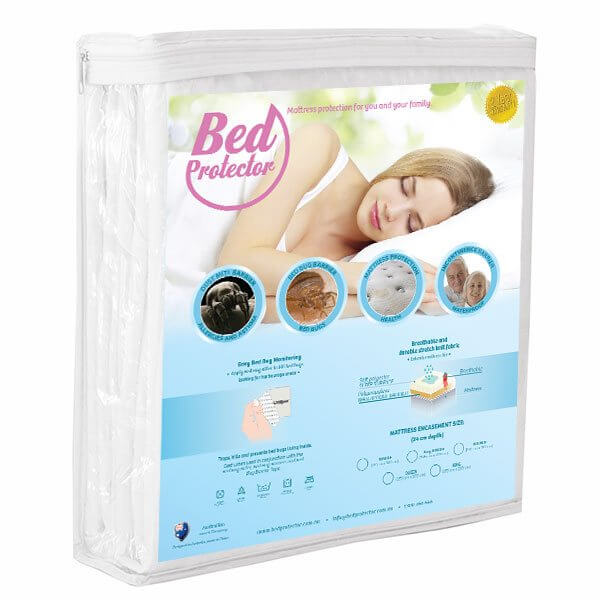
Dust Mite Mattress Covers
Once you’ve identified your allergies, especially to dust mites, the next step is to create a sleep environment that keeps allergens away — starting with your bed.
Dust mites are one of the most common household allergens, and your mattress, pillow, and couch are their favourite hiding spots. Why? Because they feed on dead skin cells and thrive in warm, humid environments like bedding and soft furnishings.
Here’s how to allergy-proof your bed using specialised protective covers:
🧼 Our Recommended Dust Mite Barrier Products:
| Product | Purpose | Benefits |
| Dust Mite Mattress Cover | Seals your mattress to stop dust mites entering or escaping | Blocks allergens, breathable, quiet, soft |
| Dust Mite Duvet Cover | Encloses your quilt to prevent dust mite build-up | Keeps allergens out, easy to wash |
| Dust Mite Pillow Cover | Protects your pillow without compromising comfort | Reduces exposure while you sleep |
| Dust Mite Couch Seat Cover | Ideal for lounges and upholstered chairs | Stops allergens where you sit daily |
| Dust Mite Dog Bed Cover | Protects your pet’s bed (and yours) from allergen transfer | Keeps both humans and pets safe |
✅ All our products are:
- Non-toxic
- Washable
- Comfortable and breathable
- Ideal for asthma and allergy sufferers
Why it matters:
Even if you use medications or undergo allergy testing, dust mite exposure can keep triggering symptoms every night. With our protective covers, you create a clean, allergen-free zone that lets your body truly rest and recover.
🛒 Shop the full range of allergy bedding here
❓FAQ: How to Test for Allergies
- Can you test for allergies at home?
Yes, you can use an at-home allergy test kit that involves a finger-prick blood sample. These kits are mailed to a lab and can detect common allergens like food, pollen, or pet dander. However, for accurate diagnosis and treatment, it’s best to follow up with a doctor. - What is the most accurate test for allergies?
The most accurate tests are skin prick tests and specific IgE blood tests done by an allergist. For food allergies, an oral food challenge performed under medical supervision is considered the gold standard. - How do I know if dust mites are causing my allergies?
Common signs of dust mite allergies include sneezing, itchy eyes, runny nose, or asthma symptoms—especially at night or in the morning. A skin or blood test can confirm it, and using dust mite-proof bedding like mattress, pillow, and duvet covers can significantly reduce your symptoms.
Watch Our Video To Reduce Allergies In Your Home
If you have enjoyed our blog, How to Test for Allergies?, then you might like to read about the main allergy triggers.
Sources: How to Test for Allergies
At-Home Allergy Test Kits (DIY Convenience vs. Accuracy) – Many people wonder if they can check for allergies without a doctor, leading to high interest in at-home allergy testing kits. These DIY kits (usually involving a mailed-in blood sample) have become very popular in recent years. news.cuanschutz.edu. Covering this topic speaks to searchers looking for quick, convenient answers – explaining the appeal of home tests as well as their limitations.
Food Allergy Testing and Elimination Diets – Food allergies are a major concern for the public, so how to test for food allergies is a common sub-search. Tens of millions of people suffer allergic reactions to foods (from peanuts to shellfish) health.usnews.com, which is why many search for ways to confirm a suspected food allergy.

Tony pioneered a non-toxic, eco-friendly solution for bedbug infestations. His innovation won the ABC TV show “The New Inventors” in 2009. In 2012, he successfully registered Diatomaceous Earth for bedbug control in Australia.




Leave a Reply