


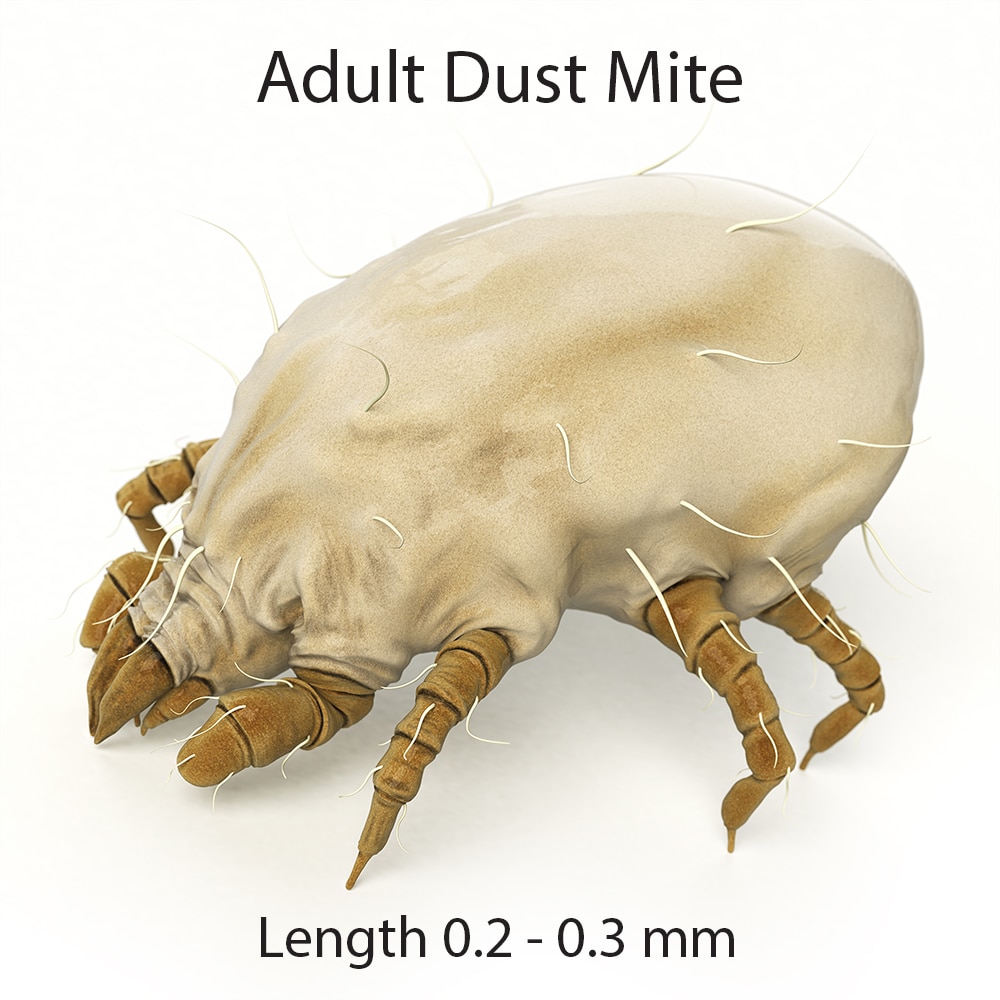
In the article
Last Updated on 09/01/2026 by Tony Abrahams
TL;DR: Dust mite allergy isn’t caused by bites. It’s triggered by proteins found in dust mite waste and dead bodies that build up in mattresses, pillows, carpets, and soft furnishings. These allergens commonly cause sneezing, congestion, itchy eyes, coughing, wheezing, eczema, and poor sleep, often worse at night or in the morning. Managing symptoms usually requires a mix of short-term relief, such as antihistamines or nasal sprays, and reducing exposure at home.
The most effective long-term approach focuses on the bedroom, using allergen-proof mattress and pillow covers, hot-washing bedding, steam treatment, HEPA vacuuming, air purifiers, and keeping humidity low. There’s no single quick fix, but layering these steps can dramatically reduce allergens, ease symptoms, and improve sleep.
Introduction: Dust Mite Allergies
Dust mites can cause allergies
Dust mites are tiny, invisible creatures that live exactly where we rest. Mattresses, pillows, couches, carpets, curtains, and upholstered furniture. You can’t feel them crawling. You can’t see them. Yet for millions of people, they quietly make everyday life uncomfortable. If you wake up congested, sneeze first thing in the morning, feel itchy at night, or notice allergy symptoms that never fully disappear, dust mites are often the hidden culprit.
In this article, we’ll explain what a dust mite allergy really is, what causes it, the most common symptoms, and what you can realistically do to treat and prevent it long term. No scare tactics. Just practical information that genuinely helps.
Read More About Dust Mites- What Are They?
Can Dust Mites Cause Allergies?
Yes. And far more often than most people realise. If you think allergies mainly come from food or outdoor pollen, here’s an important fact: house dust mites are one of the most common indoor allergy triggers worldwide. According to the National Library of Medicine, around 20 million Americans experience dust mite allergy, and roughly 30 percent of the general population shows sensitivity to house dust mites during skin test reactivity.
One of the biggest misconceptions is that dust mites bite people. They don’t. The allergic reaction is caused by proteins found in dust mite waste and their decomposing bodies. These particles become airborne and are easily inhaled, especially when you move in bed, sit on a couch, or disturb soft furnishings.
For people with asthma, eczema, hay fever, or existing allergies, exposure to dust mites can significantly worsen symptoms and trigger flare-ups.
Dust Mite Allergy: Understanding the Common Causes

A dust mite allergy occurs when the immune system overreacts to dust mite proteins.
A dust mite allergy occurs when your immune system mistakes dust mite proteins for something dangerous. Instead of ignoring them, the body overreacts. Histamines are released. Inflammation follows. And symptoms appear. Common contributing factors include:
- Sensitivity to proteins found in dust mite waste and dead bodies
- High exposure to dust and dust mites in the home
- A family history of allergies or asthma
- A weakened or overactive immune response
Bedrooms are usually the biggest problem area. Mattresses and pillows provide warmth, moisture, and a steady supply of skin flakes, which is exactly what dust mites thrive on. Understanding the cause is important, because treating symptoms without reducing exposure often leads to frustration and relapse.
Read About What Smells Dust Mites Hate?
Symptoms of Dust Mite Allergy
Dust mite allergy symptoms can look very similar to colds, flu, or seasonal hay fever, which is why many people live with it for years without realising the cause.
Common symptoms include:
- Sneezing
- Runny or blocked nose
- Coughing
- Watery or itchy eyes
- Itchy nose, mouth, or throat
- Red or irritated skin
- Wheezing or shortness of breath
- Tightness in the chest
A key clue is timing. Symptoms are often:
- Worse at night or first thing in the morning
- Worse in the bedroom
- Better when you’re away from home
If you’re unsure, an allergist can confirm triggers through professional allergy testing and help rule out other conditions.
Dust Mite Allergy Treatments
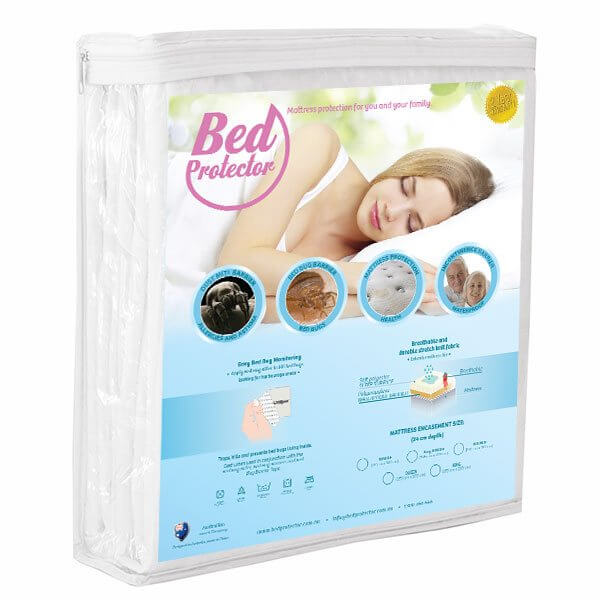
Dust mite proof mattress covers can reduce allgery symptoms
The good news is that dust mite allergy is manageable. Most people need a combination of symptom relief and environmental control rather than a single “quick fix”.
1. Over-the-counter and prescription medications
Antihistamines, decongestants, and nasal sprays can reduce sneezing, congestion, itchy eyes, and inflammation. These help manage symptoms, but they don’t remove the source of the allergy.
2. Immunotherapy (allergy shots)
For severe or long-term cases, immunotherapy may be recommended. This involves gradually exposing the immune system to small amounts of the allergen to reduce sensitivity over time. Treatment usually takes 3 to 5 years, with improvement often noticed within the first year.
3. At-home dust mite control
Reducing exposure is where real, lasting improvement usually happens. Professional pest control is expensive and often relies on chemical sprays that are not designed for dust mites living deep inside bedding and fabrics. A DIY approach focused on barriers, heat, and regular maintenance is often safer, more affordable, and more effective long term.
4. Practical home remedies to reduce dust mites
You can significantly reduce dust mite levels by:
- Using allergen-proof mattress and pillow encasements
- Washing sheets, pillowcases, and covers weekly in hot water
- Using steam to treat mattresses, pillows, and upholstery
- Vacuuming carpets, curtains, and furniture with a HEPA-filtered vacuum
- Using air purifiers with HEPA filters
- Keeping humidity low with ventilation or dehumidifiers
- Reducing clutter that traps dust
Managing dust mite allergy usually isn’t about one single action. It’s about layering simple steps that work together.
Dust Mite Prevention Tips
Prevention is far easier than trying to control symptoms once they become severe.
If you want to reduce the risk of dust mite allergy or stop symptoms from returning, these steps make a real difference:
- Use allergen-proof mattress, pillow, and dust mite encasement covers
- Wash bedding weekly in hot water
- Steam mattresses, pillows, and soft furnishings when needed
- Keep indoor humidity low
- Use HEPA air purifiers
- Vacuum regularly with a HEPA filter
- Minimise clutter in bedrooms
- Choose washable curtains and blinds
- Keep pets out of sleeping areas
If symptoms persist despite these measures, an allergist can provide personalised advice.
Treating a Dust Mite Allergy Long Term
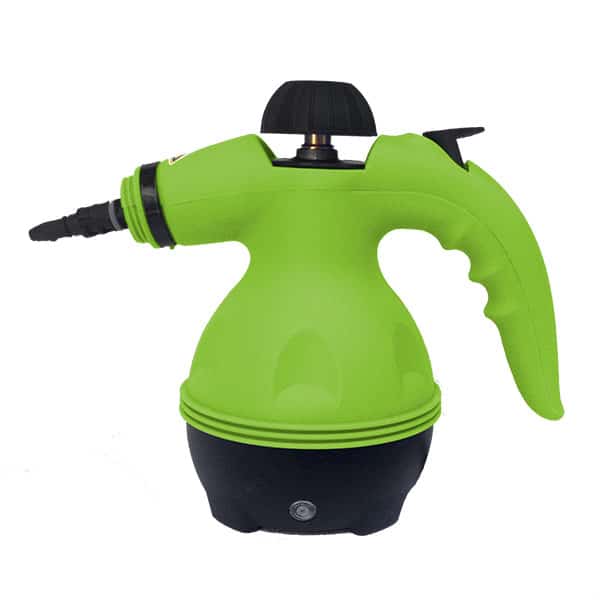
A handheld steamer can kill dust mites instantly
Dust mite allergy may sound minor, but for many people, especially children, it can seriously affect sleep quality, breathing, skin health, and overall wellbeing. Understanding what causes it, recognising the symptoms early, and taking practical steps to reduce exposure can make a noticeable difference.
For people looking for safe, non-toxic dust mite protection, Bed Bug Barrier offers a range of dust mite mattress covers, pillow protectors, duvet covers, and steamers designed to reduce allergens without relying on harsh chemicals. Managing dust mite allergy isn’t about perfection. It’s about control. And once the bedroom is under control, most people finally start sleeping properly again.
Frequently Asked Questions
1. What actually causes a dust mite allergy?
A dust mite allergy is caused by proteins found in dust mite waste and their dead bodies, not from bites. These proteins trigger an immune response when inhaled or when they come into contact with the skin, leading to allergy symptoms.
2. Why are dust mite allergy symptoms worse at night or in the morning?
Symptoms are often worse at night and in the morning because dust mites live mainly in mattresses, pillows, and bedding. Movement during sleep releases allergens into the air, increasing exposure while you’re in bed.
3. Can you completely get rid of dust mites from your home?
It’s almost impossible to eliminate dust mites entirely, but you can significantly reduce their numbers and allergen levels. Using allergen-proof covers, hot-washing bedding, steam treatment, HEPA vacuuming, and controlling humidity can make symptoms much more manageable.
4. Do air purifiers help with dust mite allergy?
Yes, air purifiers with HEPA filters can help by removing airborne dust mite allergens. While they won’t eliminate dust mites living in bedding or furniture, they can reduce overall allergen load in the room.
5. Is dust mite allergy the same as hay fever?
No. While the symptoms can be very similar, hay fever is usually triggered by outdoor allergens like pollen and is often seasonal. Dust mite allergy is typically present year-round and tends to be worse indoors, especially in the bedroom.
Watch the Video: How Our Liners Protect Couch Seats, Cushions, and Dog Beds From Allergens
Sources: Dust Mite Allergy
- Cleveland Clinic: Dust Mite Allergy
- NCBI Bookshelf: Dust Mite Allergy (Overview)
- Mayo Clinic: Dust Mites (Symptoms & Causes)

Tony pioneered a non-toxic, eco-friendly solution for bedbug infestations. His innovation won the ABC TV show “The New Inventors” in 2009. In 2012, he successfully registered Diatomaceous Earth for bedbug control in Australia.





Leave a Reply