



In the article
Last Updated on 27/05/2025 by Tony Abrahams
If you’re sneezing, coughing, or waking up with itchy eyes, you’re not alone—and you’re probably wondering, “what are the main allergy triggers?” The short answer? A mix of invisible invaders both inside and outside your home.
But the good news is, once you know what to look for, you can take real steps to protect yourself and your family.Let’s break it all down, with expert-backed advice and practical solutions you can use starting today.
The Most Common Indoor Allergy Triggers
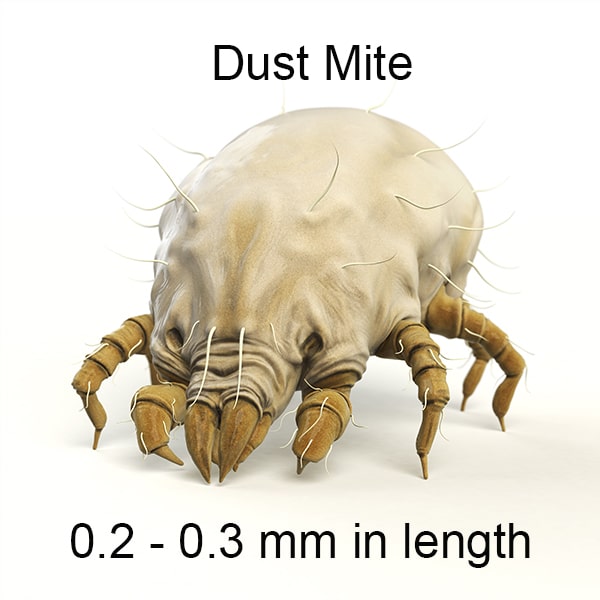
Dust Mites Are The Most Common Indoor Allergen
Your home should be your safe space, but it can easily become a hotbed for allergens. These are the top offenders hiding indoors:
- Dust mites – Thrive in mattresses, pillows, and fabric furniture. These microscopic creatures feed on flakes of human skin and thrive in warm, humid environments.
- Pet dander – Comes from skin flakes and saliva, not fur. Even hypoallergenic pets can still trigger allergies.
- Mould spores – Found in damp corners, bathrooms, and air vents. Mould not only triggers allergies but can also cause respiratory issues if left unchecked.
- Cockroach droppings – Common in city apartments and kitchens. Their droppings, saliva, and body parts are potent allergens.
- Indoor pollen – Brought in by wind or clinging to clothing and pets. Even houseplants can sometimes contribute.
Tip:
Use dust mite mattress and pillow covers like the ones from Bed Bug Barrier to block out dust mites and allergens for good. Weekly hot washes (at least 60°C) of bedding also help. Regular vacuuming with a HEPA filter vacuum and decluttering also reduces allergens hiding in fabrics and corners.
Seasonal vs. Year-Round Allergens
Many allergy sufferers aren’t sure if they’re reacting to something seasonal or something that’s always around. The timing of your symptoms can help identify the trigger.
Seasonal Allergens:
- Tree pollen (spring)
- Grass pollen (late spring to summer)
- Weed pollen (late summer to autumn)
Year-Round Allergens:
- Dust mites
- Mould
- Pet dander
Weather Factors:
- Wind spreads pollen faster.
- Humidity makes mould and dust mite populations explode.
- Rain may reduce airborne pollen temporarily but can also lead to more mould growth.
If your symptoms spike every spring, pollen may be the culprit. If they persist through all seasons, indoor allergens like dust mites and pet dander could be to blame. Keeping a symptom calendar can help track patterns.
Food Allergies and Intolerances
Peanuts are the main food allergy trigger
This is a growing concern for both kids and adults. Many people search online after experiencing strange reactions to food and aren’t sure what’s to blame. Food allergies are immune system responses, while intolerances typically involve the digestive system.
Top 8 Food Allergens:
- Peanuts
- Tree nuts
- Milk
- Eggs
- Wheat
- Soy
- Fish
- Shellfish
Food allergies can cause:
- Itchy mouth
- Hives
- Swelling
- Vomiting
- Anaphylaxis (life-threatening)
Food intolerance is different and usually causes digestive issues like bloating, gas, or diarrhea—not life-threatening symptoms. However, they can still seriously impact quality of life.
Understanding food labels and cross-contamination risks is essential. People often search for safe snack ideas, how to dine out with allergies, and how to prepare allergy-friendly meals at home.
Allergy Symptoms: What to Watch For

Sneezing Is An Allergy Symptom
People often don’t realise their symptoms are allergy-related. Here’s what to look out for:
Respiratory Symptoms:
- Sneezing
- Nasal congestion
- Coughing
- Wheezing
- Shortness of breath
Skin Reactions:
- Eczema
- Rashes
- Hives
- Itchy or inflamed skin
Eye Symptoms:
- Red, itchy, watery eyes
- Puffiness around the eyes
Less Obvious:
- Brain fog
- Headaches
- Fatigue
- Irritability
If your symptoms linger longer than a cold or recur every year at the same time, allergies are a strong possibility. Many people also experience sleep disturbances from allergy symptoms, making them feel exhausted the next day.
How to Get Tested for Allergies
If you’re tired of guessing, testing is the next step. Allergy testing is safe, straightforward, and incredibly helpful.
Testing Options:
- Skin Prick Test (done by an allergist): A small amount of allergen is pricked into your skin to observe reactions.
- Blood Test (looks for IgE antibodies): Ideal for people with severe skin conditions or who can’t stop antihistamines.
- Elimination Diet (for food triggers): Involves removing and slowly reintroducing potential triggers under guidance.
Where to Get Tested:
- GP or allergist
- Some pharmacies now offer basic testing
- At-home test kits (limited but convenient for preliminary insights)
Testing helps take the mystery out of your symptoms and gives you a solid foundation for managing them. Once you know your triggers, you can build a targeted action plan.
How to Reduce or Eliminate Exposure
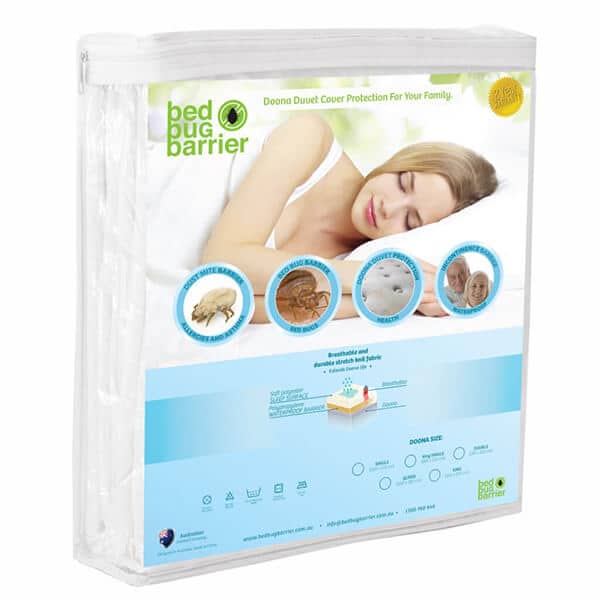
Use Dust Mite Covers To Reduce Allergies
Once you know your triggers, it’s all about control. Here’s how to allergen-proof your life and reduce reactions naturally.
For Dust Mites:
- Use allergy-proof covers on mattresses and pillows
- Wash bedding weekly at 60°C
- Vacuum carpets and upholstery with HEPA filters
- Use a handheld steamer from Bed Bug Barrier to kill mites on mattresses, couches, and rugs
- Reduce humidity with a dehumidifier to under 50%
For Mould:
- Fix leaks and improve ventilation
- Use dehumidifiers in bathrooms and basements
- Clean damp areas regularly with vinegar or mould-killing sprays
- Use an exhaust fan or open window during and after showers
For Pollen:
- Shower and change clothes after being outside
- Keep windows closed on high pollen days
- Use HEPA air purifiers indoors
- Avoid outdoor exercise early morning or windy days when pollen peaks
For Pets:
- Bathe them weekly
- Keep them off beds and out of bedrooms
- Vacuum with pet dander filters
- Wash pet bedding regularly
- Use covers to protect your couches
- Cover pet beds with covers
A few simple adjustments can create a much healthier environment and dramatically improve your quality of life.
Final Thoughts: Main Allergy Triggers
Understanding what are the main allergy triggers is the first step to taking back control of your environment. From dust mites and pollen to food and mould, knowledge really is power when it comes to managing allergies.
Don’t forget: products like Bed Bug Barrier’s dust mite mattress covers, pillow protectors, couch covers and handheld steamers can make a massive difference in your daily comfort. You don’t have to suffer through allergy season or sneeze your way through your home. Prevention and preparation are your best defences.
Take the time to pinpoint your triggers, make strategic changes in your home, and consult a professional if needed. Small changes add up to a big difference.
FAQs: Main Allergy Triggers
What is the most common indoor allergen?
Dust mites. They’re microscopic but everywhere, especially in bedding and carpets. Their waste particles are a major trigger for allergic reactions.
Can allergies be cured?
No, but symptoms can be managed with medication, avoidance, and environmental changes. Immunotherapy (allergy shots) can also reduce symptoms over time.
Are allergy tests accurate?
Yes, when done correctly by a trained professional. At-home tests can be helpful for identifying general trends, but clinical testing provides more precise results.
Watch Video To Help Reduce Main Allergy Triggers In Your Home
If you have enjoyed our blog, What are the main allergy triggers?, then you might like to read, What Smells Do Dust Mites Hate?
Sources: Main Allergy Triggers
ASCIA – Allergy & Anaphylaxis Australia
Mayo Clinic – Allergy Symptoms & Causes
National Asthma Council Australia

Tony pioneered a non-toxic, eco-friendly solution for bedbug infestations. His innovation won the ABC TV show “The New Inventors” in 2009. In 2012, he successfully registered Diatomaceous Earth for bedbug control in Australia.




Leave a Reply