


In the article
Last Updated on 21/12/2025 by Tony Abrahams
If you’ve ever Googled bed bugs at midnight, you’ve seen the same advice everywhere. Vacuum. Spray. Wash everything. Throw out the mattress. Treat every room. Repeat forever.
And here’s the frustrating part: a lot of that advice is technically true. It just fails in real life because it ignores how bed bugs actually behave, and how humans actually live.
This article is a reality check. Not to shame anyone. Just to explain why “common sense” bed bug tips often don’t work, and what consistently does: a simple containment-first approach called the Isolation Method.
TL;DR: Bed Bug Advice
TL;DR: Most bed bug advice fails because it’s too broad, too reactive, and not targeted at the one place that matters most: the bed. Sprays can miss hidden bugs and eggs, “deep cleaning” can spread them, and treating the whole house often wastes effort while bites continue.
The Isolation Method works by turning the bed into a controlled zone: kill quickly with steam, lock down the mattress with a bed bug proof cover, and add long-term protection using a silica/DE-style bed bug killer powder and bed leg barrier traps so any bug trying to reach you has to cross a killing surface. The goal is fewer bites tonight, less spread tomorrow, and a plan you can actually stick to.
Why “Do Everything” Feels Sensible… and Backfires
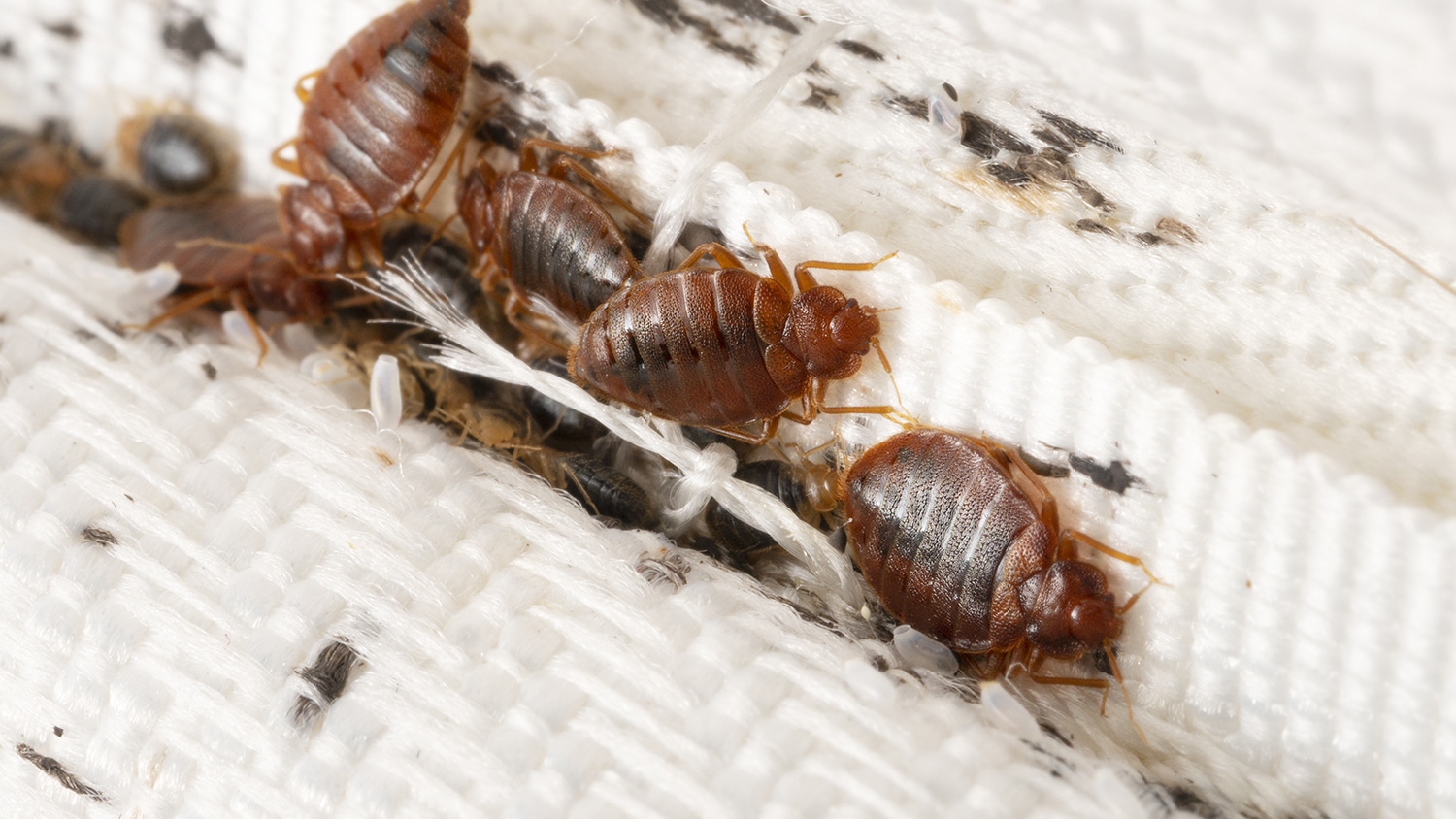
Important Bed Bug Advice – Check your mattress seams first
When people find bed bugs, the instinct is to go into full clean-up mode. Strip the bed. Wash everything. Move furniture. Vacuum the whole room. Maybe drag the mattress into the hallway.
I get it. It feels like action.
But “do everything” often backfires because bed bugs are tiny, sneaky, and ridiculously good at hitchhiking. The more you move items around, the more you risk spreading them to places they were not in before.
- Bagging and moving bedding without sealing it properly can drop bugs or eggs along the route.
- Relocating pillows, blankets, clothes to “another safe room” can turn that room into the next problem.
- Throwing out furniture without wrapping it can spread bugs through common areas and even to neighbours.
A calmer strategy is usually better: contain first, then treat. Which leads to the bed.
Bed Bug Facts: Signs, Causes & How to Get Rid of Them Fast & Forever
The Advice That Sounds Scientific but Ignores How Bed Bugs Actually Move
Here’s the missing detail in most advice: bed bugs aren’t wandering randomly around your home all day. They tend to hide close to where they feed. That usually means the bed zone: mattress seams, base edges, bed frame joints, screw holes, cracks, and nearby skirting boards.
So when advice says “treat the whole house”, it sounds thorough… but it often means you spend your energy on places bed bugs may not even be using.
Meanwhile, the bed remains accessible to them. And if they can still reach you at night, you keep getting bitten, sleep gets wrecked, and you lose confidence in the whole process.
The better logic is:
- Make the bed the focus because it’s the feeding station.
- Control movement to and from the bed so bugs can’t reach you easily.
- Force contact with a killing surface instead of hoping they walk into a sprayed area at the right moment.
Bed Bug Bites in Australia: How to Find, Treat and Prevent Bed Bugs Fast
When Killing a Few Bed Bugs Makes the Problem Worse

Bed bug bombs only makes your problem worse
This sounds strange, but it happens all the time. Some treatments knock down the obvious bugs but leave the hiding ones untouched. The survivors can become more cautious, scatter to new hiding spots, or simply keep feeding from different angles that are harder to monitor.
Common culprits:
- Light, targeted sprays that only kill on direct contact (great in theory, disappointing in practice).
- Foggers and bombs that push bugs deeper into walls, furniture, or neighbouring rooms (and rarely reach eggs properly).
- Over-vacuuming without follow-up protection which removes some bugs but doesn’t stop new ones reaching the bed that night.
What you want is a system that still works even if you don’t hit every single bug on day one. That’s exactly what isolation is. It’s not “perfect aim”. It’s “controlled outcomes”.
Why Treating the Whole House Often Misses the Real Target
Most people don’t need to wage war on the entire house first. They need to stop bites and stop spread. And the fastest way to do that is usually to create a defensive perimeter around the bed.
The Isolation Method is built around one idea: bed bugs must come to you to feed. If you can block that path or make that path lethal, you gain control.
Core Isolation Method components:
- Steam for immediate kill on seams, edges, bed frames, and cracks.
- Bed bug proof mattress cover to trap any bugs already inside the mattress and make inspections easier.
- Long-term residual protection using a bed bug killer powder (commonly silica-based or DE-style products) applied to the right “travel zones”.
- Bed leg barrier traps (interceptors/barriers) to stop bugs climbing up and to monitor activity.
- Bed positioning: keep the bed at least 30 cm away from walls and furniture, and keep bedding from touching the floor.
It’s simple, but it’s not random. Each piece does a different job.
The Gap Between Lab Results and Real Bedrooms
Lots of advice is based on best-case conditions:
- clear access to hiding spots
- perfect application
- nobody moving items room to room
- no clutter
- no pets, no kids, no life happening
Real bedrooms are messy. People are tired. They miss spots. They forget a step. They have to sleep in the bed tonight.
So the best plan is one that still holds together when you’re not operating like a pest control technician with unlimited time.
Isolation is forgiving. If you do the key steps, it keeps working in the background. Bugs keep attempting to reach the bed. They keep encountering barriers and killing zones. You keep learning what’s happening from monitoring, instead of guessing.
How To Prevent Bed Bugs From Entering Your Home
What Successful Bed Bug Advice Does Differently
Successful advice is usually boring. It prioritises the bed, reduces movement, and focuses on repeatable actions.
Here’s what “works” tends to have in common:
- Containment first: stop bugs reaching you and stop them spreading.
- Immediate kill where you can reach it: steam the seams, frame joints, and edges.
- Long-term protection: apply a proven residual powder in travel zones so contact equals consequence.
- Encasement: mattress and base covers reduce hiding spots and simplify inspections.
- Monitoring: bed leg traps tell you whether activity is reducing, instead of relying on bites alone.
And yes, you can layer these without turning your home upside down.
How to Apply the Isolation Method (Practical Checklist)
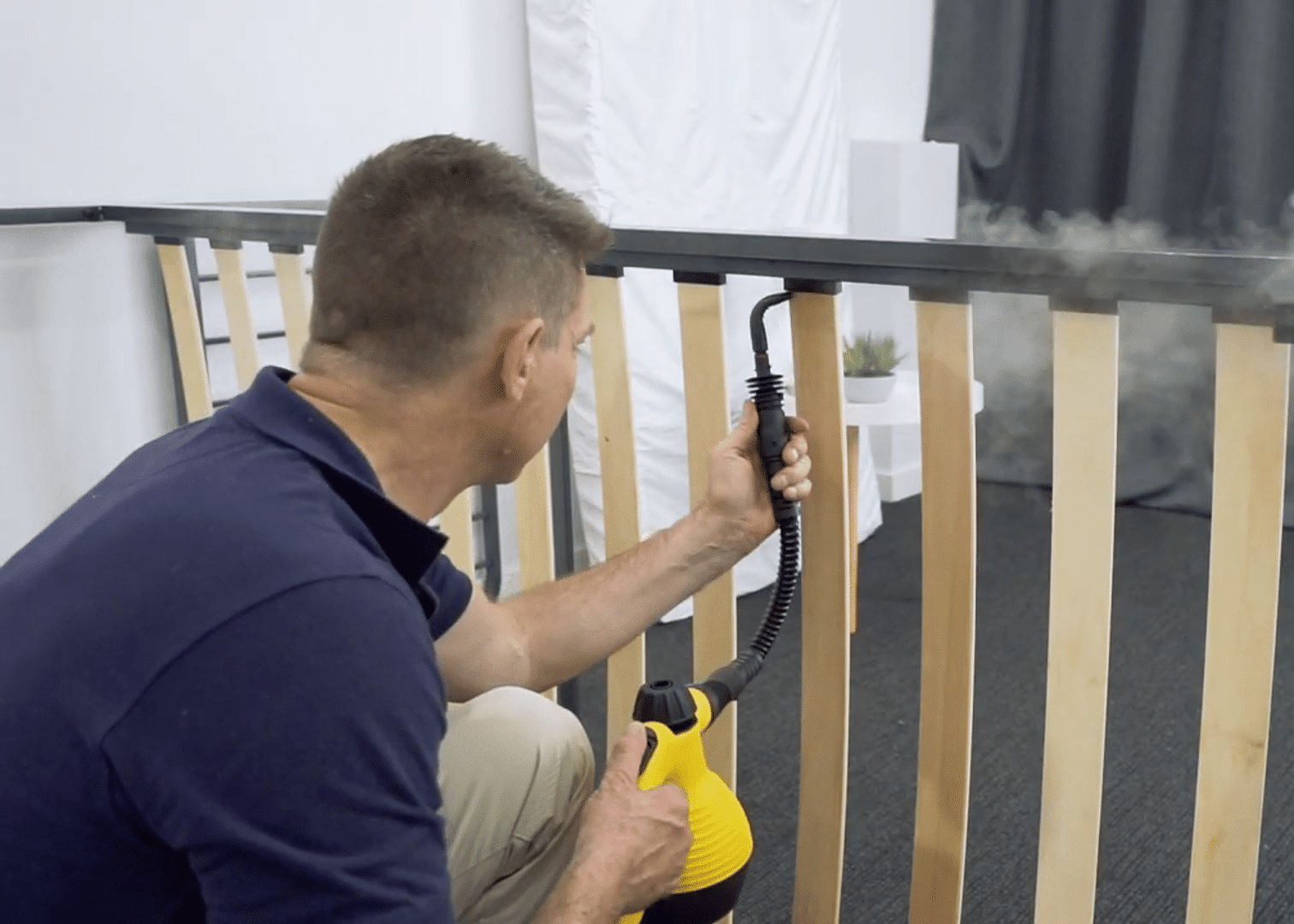
This is the simple version. The goal is: sleep safely tonight, then keep tightening the system over the next 1 to 2 weeks.
1) Stop the spread first
- Do not move bedding or clothes room to room unless they are sealed in bags.
- If washing, put items straight into a sealed bag, then into the machine.
- Dryer heat helps, but follow the care label to avoid damage.
2) Steam for immediate kill (bed zone)
- Steam mattress seams, piping, labels, and edges slowly.
- Steam bed frame joints, slats, screw holes, cracks and gaps.
- Steam nearby skirting and the bedhead if it’s attached or padded.
Note: Steam is about contact and technique. Rushing it is basically just warm air.
3) Install a bed bug proof mattress cover (and base cover if needed)
- Encasing traps bugs already in the mattress and prevents new ones from entering it.
- It also makes ongoing inspection much easier because you have a smooth surface.
4) Add long-term protection with bed bug killer powder
- Apply a light, targeted layer to the bed frame travel zones (not random piles).
- Focus on where bugs must walk: edges, joints, and approach points.
- Follow the product label and keep it out of reach of children and pets.
5) Put bed leg barrier traps under every leg
- These act as a physical barrier, stopping bed bugs from climbing onto the bed.
- To reach the bed, bugs are forced to walk through Diatomaceous Earth (DE), which kills them over time.
- Once installed correctly, they work continuously and do not need regular checking.
6) Make the bed “isolated”
- Move the bed at least 30 cm away from walls and furniture.
- Make sure bedding does not touch the floor.
- Keep the floor around the bed clear so traps and barriers stay effective.
The Most Common Causes of Bed Bug Infestations
Products That Make the Isolation Method Work

Isolation Method Product Range
If you want the method to actually hold together, these are the practical pieces people typically need:
- Bed bug steamer for immediate contact kill in seams and cracks.
- Bed bug killer powder (silica/DE-style residual) for long-term control in travel zones.
- Bed bug proof mattress cover to seal the mattress and reduce hiding spots.
- Bed base / ensemble cover if you have a fabric base with internal voids and staples (common hiding zones).
- Bed leg barrier traps to isolate, block climbing, and kill bed bugs trying to access the bed.
If you want a visual step-by-step, link readers to your DIY video instructions here:
Watch our DIY Video Instructions for Ensemble Beds, Bed Frames and Couches
FAQ About Bed Bug Advice
1) Why do bed bug sprays seem to work at first, then fail?
Because many sprays only kill bed bugs they directly touch, and bed bugs hide in tight cracks where spray often can’t reach. If eggs or hidden bugs survive, the “problem” returns even though you did something that felt correct.
2) Should I throw out my mattress if I have bed bugs?
Usually, no. Throwing out mattresses can spread bed bugs through the home and into shared areas, and you can still get re-infested if bugs are elsewhere. A bed bug proof mattress cover is often the smarter move because it traps any bugs inside and simplifies inspection.
3) Why am I still getting bites after cleaning everything?
Because cleaning reduces some bugs and evidence, but it doesn’t necessarily block access to you at night. If bed bugs can still reach the bed, bites can continue. Isolation focuses on stopping access and forcing contact with barriers and killing zones.
4) Do foggers or bombs help?
They often make things worse by pushing bed bugs into deeper hiding spots or into neighbouring rooms. They also tend to miss eggs and protected harbourages. A targeted approach around the bed is typically more reliable.
5) How long does the Isolation Method take to show results?
Many people notice improvement instantly because the bed becomes harder to access. Full control depends on infestation size, how consistently you maintain isolation, and whether you combine immediate kill (steam) with long-term protection (powder + barriers + encasements).
6) What’s the single most important step if I can only do one thing today?
Start isolating the bed: move it away from walls, install bed leg barrier traps, and stop bedding touching the floor. That alone can reduce bites and stop spread while you build the full system.
Final Thoughts: Bed Bug Advice
Most bed bug advice fails because it’s built for the idea of “total eradication” before bedtime. That’s not how real life works. You need sleep. You need a plan you can repeat. You need a system that keeps working even when you’re tired.
The Isolation Method is that system: steam for immediate kill, encase what they hide in, and force every bug to cross barriers and long-term protection to reach you.
If you want help identifying what you’re dealing with, take clear photos of any bugs, bed bug droppings, or eggs you find and send them in for identification. It’s often the quickest way to avoid treating the wrong problem.
Watch Our DIY Videos: Control Bed Bugs With The Isolation Method
Are you looking for an organic DIY treatment?
These step-by-step videos show you exactly how to use the Isolation Method on different types of beds.
For an Ensemble Bed
For a Bed with Slats
If you enjoyed our blog about bed bug advice, you might also like to read about the bed bug life cycle.
Sources: Bed Bug Advice
CDC – Bed Bugs: Biology, behaviour, and why control is difficult
U.S. EPA – Do-It-Yourself Bed Bug Control and common treatment mistakes
University of Kentucky Entomology – Bed Bug Management (why sprays and foggers often fail)

Tony pioneered a non-toxic, eco-friendly solution for bedbug infestations. His innovation won the ABC TV show “The New Inventors” in 2009. In 2012, he successfully registered Diatomaceous Earth for bedbug control in Australia.





Leave a Reply