


In the article
Last Updated on 20/01/2026 by Tony Abrahams
The 8 Culprits That Can Bite You At Night
What is biting me at night? Waking up with itchy bites can be frustrating. Here are the most common causes:
- Bed Bugs: Tiny insects hiding in mattresses and bed frames, leaving red welts in lines or clusters.
- Mosquitoes: Attracted to body heat and carbon dioxide, causing small, red bumps.
- Fleas: Often from pets, resulting in small, itchy spots on ankles and legs.
- Mites: Dust mites cause allergies, while scabies mites burrow into the skin.
- Spiders: Common house spiders bite if threatened, while more venomous ones need medical attention.
- Chiggers: Tiny red mites found in grassy areas, causing red, itchy welts.
- Allergic Reactions: To bed linens, detergents, or skincare products, leading to itchy rashes.
- Dermatological Conditions: Conditions like eczema or psoriasis can worsen at night.
Quick Bite Identification Cheat Sheet (Fastest Way to Narrow It Down)
| What You Notice | Most Likely Cause | Typical Bite Pattern | Most Common Body Areas | Extra Clue to Confirm |
|---|---|---|---|---|
| Bites in straight lines or tight clusters | Bed Bugs | “Breakfast, lunch, dinner” lines or grouped welts | Arms, shoulders, neck, hands, legs | Blood spots on sheets, dark specks on mattress seams |
| Random single itchy bumps | Mosquitoes | Scattered, isolated bumps | Any exposed skin | You may hear buzzing, bites happen more in warmer months |
| Small bites mostly around ankles | Fleas | Small clusters, often very itchy | Ankles, lower legs | Pets scratching, fleas may be visible in carpet/pet bedding |
| Intense itching with a rash (not always clear bite marks) | Mites / Skin Irritation | Patchy irritation or tiny bumps | Wrists, waistline, skin folds | Scabies itching often worsens at night and spreads over days |
| One or two painful bites (not lots) | Spider (less common) | Usually a single bite | Anywhere | Swelling or soreness, seek medical advice if symptoms worsen |
| Red itchy welts after being outdoors in grass | Chiggers | Clusters of itchy welts | Ankles, behind knees, waistband | Often starts after gardening, bushwalks, or long grass exposure |
| Itching but no obvious bite “puncture” | Allergy / Contact Reaction | Blotchy rash or irritated skin | Anywhere touching fabric/products | New detergent, skincare, sheets, or cleaning sprays |
| Ongoing flare-ups that worsen at night | Eczema / Dermatitis | Dry patches, redness, cracking | Arms, neck, legs, hands | Skin looks inflamed rather than “bitten” |
Still not sure? The easiest way to confirm bed bugs is to inspect mattress seams, bed frame cracks, and around bed legs for tiny dark spots, shed skins, or live bugs.
The Leading Cause of Bites at Night is Bed Bug Bites
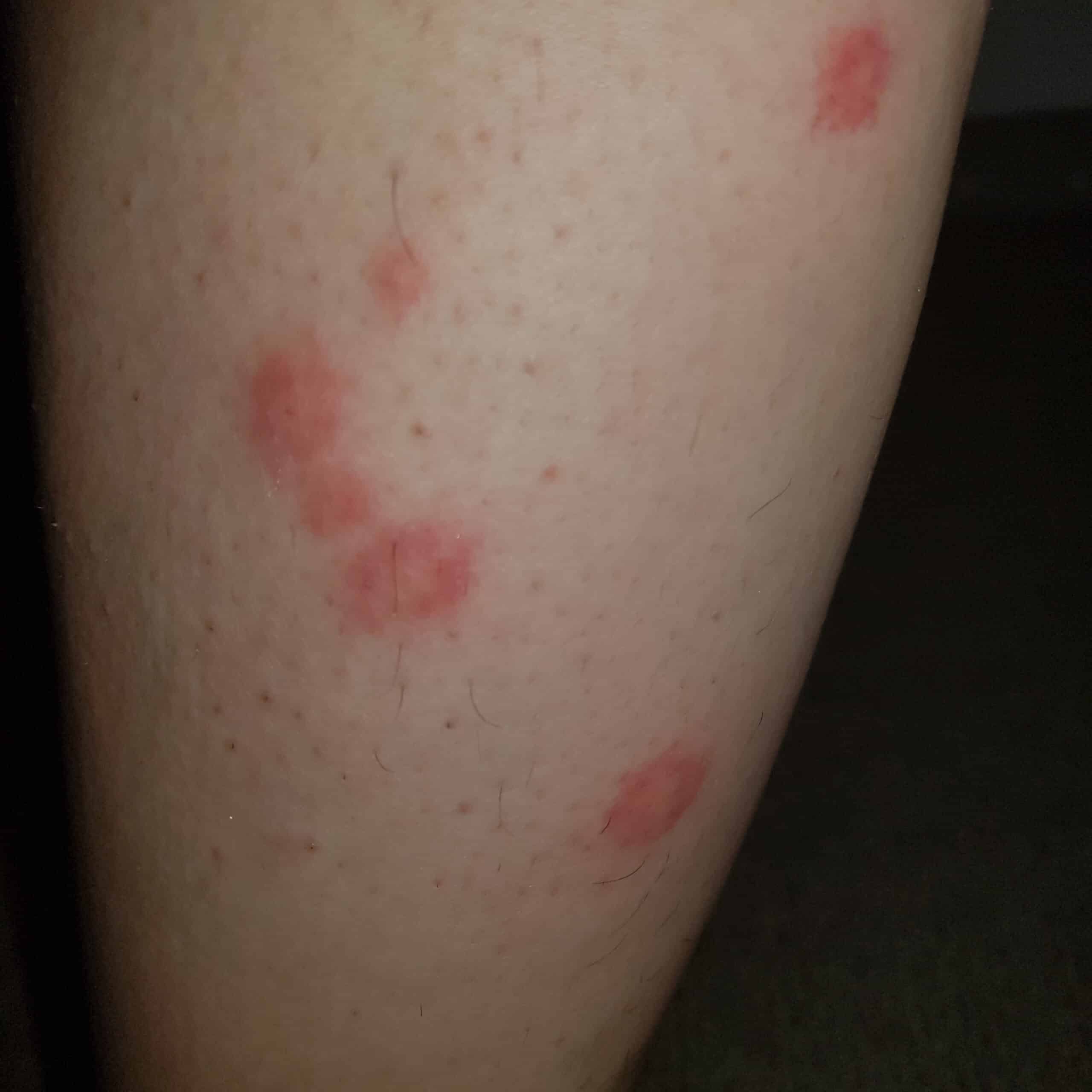
Bites in a zig-zag pattern can be a sign of bed bugs.
What Bed Bug Bites Look Like
Bed bug bites can be a real head-scratcher because they look a lot like bites from mosquitoes or ticks. These little bloodsuckers use a needle-like beak to pierce your skin and feast on your blood for about 3 to 10 minutes.
Here’s what you need to know about bed bug bites:
- Appearance: Tiny red bumps, often in straight lines, a zigzag pattern or clusters.
- Location: They can show up anywhere on your body, including your face, neck, and hands.
- Symptoms: They itch like crazy and can be pretty uncomfortable. Reactions vary from person to person.
How to Spot Bed Bug Bites
Figuring out if those bites are from bed bugs can be tricky. But there are some telltale signs:
| Feature | Description |
|---|---|
| Pattern | Straight lines, zig-zag or small groups |
| Common Areas | Face, neck, hands |
| Duration | Bites can hang around for several days |
| Reaction | Itchiness, redness, maybe some swelling |
To be sure bed bugs are the culprits, look for other signs of these sneaky pests. They love hiding in mattress seams, bed frames, carpets, and drapes. Finding physical evidence like tiny blood spots or shed skins can confirm your suspicions.
For more tips on spotting bed bugs, check out our guide on how to tell if bedbugs are in your clothes.
Knowing what bed bug bites look like and how to identify them is key to tackling the problem. Dive into our resources on what smell do bed bugs hate and how to get rid of bed bug bites overnight for more helpful info.
Bed Bug Bites in Australia: How to Find, Treat and Prevent Bed Bugs Fast
Still Not Sure What’s Biting You?

Not sure what’s causing the bites? Submit a clear photo and we’ll help you identify the culprit.
If you’ve got bites and you can’t work out what’s causing them, you’re not alone. Bed bug bites can look like mosquito bites, flea bites, rashes, or allergies.
Tip: Take a clear photo of the bite marks and a close-up photo of any insect you find, and we can help you identify what it is.
Submit a photo for identification here.
Health Implications of Bed Bug Bites
Allergic Reactions to Bed Bug Bites
While rare, allergic reactions to bed bug bites can be serious. Symptoms might include trouble breathing, facial or throat swelling, a racing heart, dizziness, and a sudden drop in blood pressure. If you experience any of these, get medical help right away.
| Symptom | Severity | Action Required |
|---|---|---|
| Itchy Lump | Mild | No medical attention needed |
| Swelling | Moderate | Keep an eye on it |
| Trouble Breathing | Severe | Get help now |
| Racing Heart | Severe | Get help now |
Risks Associated with Bed Bug Bites
Bed bug bites aren’t just itchy red marks. They can show up in clusters and take up to two weeks to appear. In rare cases, people can have a stronger allergic reaction and need medical help.
| Risk | Description |
|---|---|
| Discolored Welts | Itchy, red marks in clusters |
| Delayed Symptoms | Can take up to 14 days to show |
| Severe Reactions | Breathing issues, fever, irregular heartbeat (rare) |
Bed bugs can mess with your mind, too. Living with them can lead to anxiety, insomnia, and the creepy feeling of bugs crawling on you. There’s also a social stigma, even though bed bugs don’t care about your social status. Knowing these health implications helps you manage and reduce the effects of bed bug bites.
Bed Bug Facts: Signs, Causes & How to Get Rid of Them Fast & Forever in 2026
Common Signs of Bed Bug Infestation
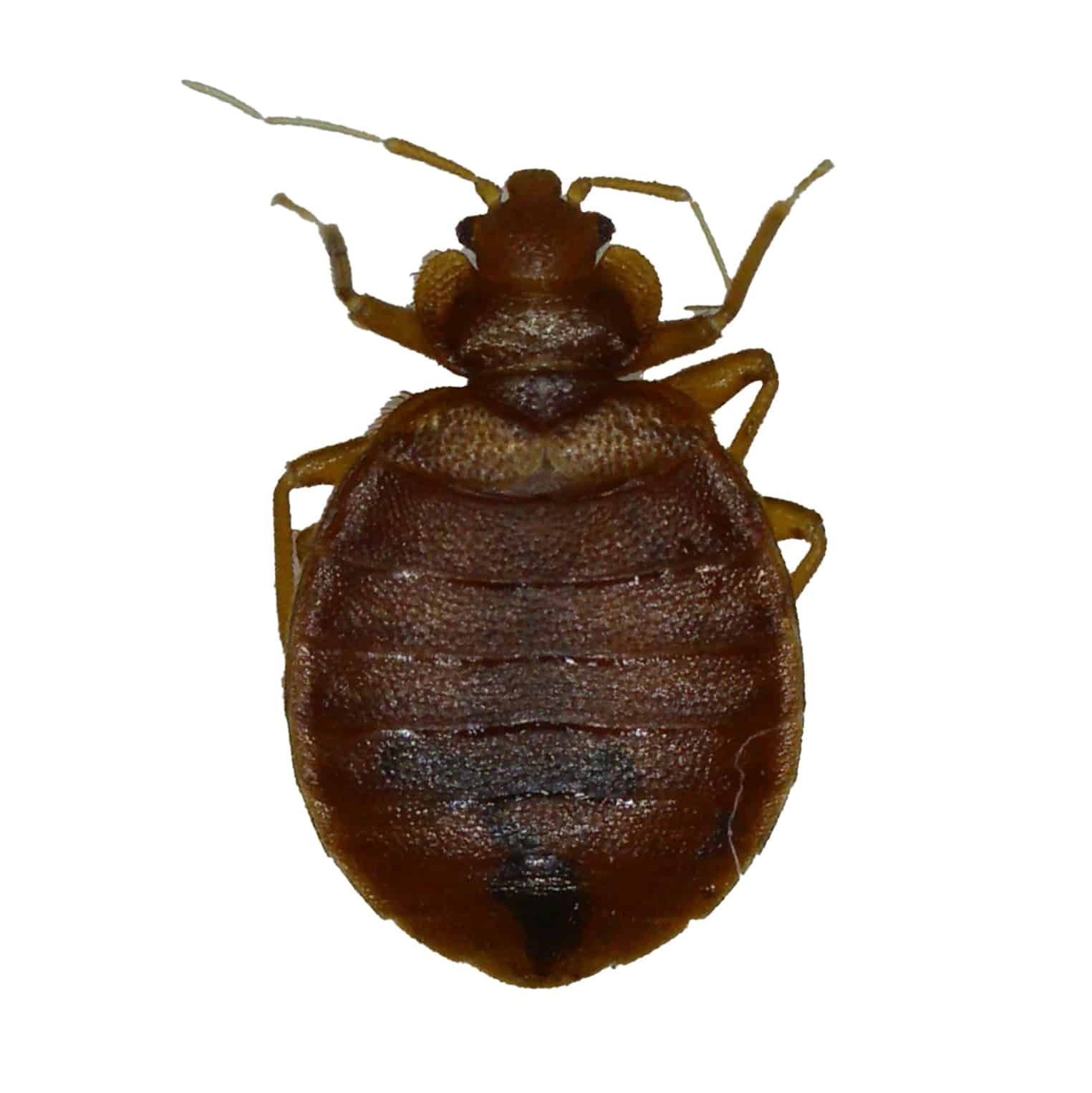
Bed bugs are experts at hiding, but signs like dark spots, shed skins, and live bugs around mattress seams can confirm an infestation.
Spotting bed bugs early can save you a lot of headaches. Here’s how to catch these sneaky pests before they take over your home.
Physical Evidence of Bed Bugs
Bed bugs are night owls, hiding during the day. But they leave clues behind. Let’s break down what to look for.
- Blood Stains: You may notice tiny red or rusty smears on sheets or pillowcases from squashed bed bugs or bites that have bled slightly during the night.
- Bites: Itchy red bumps, often in lines, clusters, or zig-zags, especially on exposed skin like arms, shoulders, neck, hands, and legs.
- Droppings: Bed bugs leave dark or rusty spots from their droppings, which are basically digested blood. These are often seen along mattress seams, bed frames, and near hiding spots.
- Shed Skins: As they grow, bed bugs shed their skins. You’ll find these exoskeletons near their hiding spots.
- Eggs: Bed bug eggs are tiny, about the size of a pinhead, and whitish or cream-colored. They hide them in safe spots near food sources, making them hard to see on light-colored materials.
- Live Bed Bugs
How To Prevent Bed Bugs (And Keep Them Away for Good)
Bed bugs have a way of making people panic. You start thinking you need to bomb the whole house, wash everything twice, and throw out your mattress.
But you don’t.
The smarter approach is simple: kill what you can fast, stop bed bugs reaching you at night, and let the rest die off as they try to get to the bed.
Natural Ways to Fight Bed Bugs
If you want to avoid harsh chemical sprays, you’ve still got options that genuinely work. The trick is using the right tool in the right place, because bed bugs hide deep in cracks, joints, seams, and fabric edges where most sprays don’t reach properly.
Our Bed Bug Killer Powder is made from diatomaceous earth, a non-toxic dust that damages a bed bug’s outer layer so it slowly dries out and dies. It’s one of the few treatments that keeps working after you apply it, and it’s approved by the Australian Pesticides and Veterinary Medicines Authority (APVMA).
For instant results, a Bed Bug Steamer kills bed bugs and eggs on contact. Steam is perfect for tight hiding spots like mattress seams, bed joints, screw holes, and fabric edges where powders can’t penetrate properly.
Then you lock it all together with barriers. Our Screw In and Floor Bed Bug Barriers sit at the bed legs and work like a protective “no-go zone”. Any bed bug trying to climb up to feed has to cross the powder and gets taken out over the next few days.
If your bed legs are square, oversized, or awkward shapes, Bed Bug Barrier Tape is the easiest workaround. It creates a slick surface bed bugs struggle to cross, and when combined with powder around the base of the leg, it helps stop them reaching the bed while you wipe out the infestation.
Read More About How To Prevent Bed Bugs
How to Get Rid of Bed Bugs Fast Without Poisons

Steam kills bed bugs and eggs instantly, especially in tight hiding spots like bed slats, joints, and cracks where sprays often miss.
If you think you have bed bugs, don’t panic. You don’t need to gas the whole room or spray toxic chemicals everywhere.
Just follow these 3 simple steps to stop the bites fast and wipe out the infestation over the next few weeks.
Step 1: Secure the Mattress
Cover your sleeping mattress with a Bed Bug Mattress Cover and make sure it’s fully zipped up with the tab closed.
- Traps bed bugs inside the mattress so they can’t escape
- Stops the mattress being a hiding place
- Makes it easier to spot new activity because there are fewer places to hide
Step 2: Treat the Bed Frame (or Ensemble Base)
This step gives you the fastest relief because you’re targeting the areas bed bugs hide closest to where you sleep.
Option A: Ensemble Beds
- Stand the base on its end.
- Remove all wheels/legs.
- Cover the base with an Ensemble Base Cover and zip it up completely.
- Screw the wheels back in (this pierces the cover, which is normal).
Option B: Bed Frames with Slats
Use a Bed Bug Steamer to steam the entire bed frame, especially joints, cracks, screw holes, and crevices.
- Remove the slats and steam both sides (top and underside).
- Steam every corner where timber meets timber. That’s where they hide.
Before replacing the slats, apply Bed Bug Killer Powder using a Bed Bug Duster.
Important: You want a fine dusting over every inch, including the underside of slats and the inside edges of the frame.
Step 3: Set Up Barriers (or Tape) to Stop Bites
This is the part that protects you from bed bugs living in the room. Once the bed is isolated, bed bugs are forced to cross your protection to reach you.
- Screw-in Barriers: Best for ensemble beds with screw-in legs/wheels. Dust powder inside and outside the barrier, and around the wheel area.
- Floor Barriers: Place each bed leg into the barrier and apply powder inside the tray and around the entry points.
- Bed Bug Barrier Tape: Best for square legs or legs larger than 65mm. Wrap the tape near the bottom of the leg and dust powder around the base of the leg and floor.
Final Tips (Don’t Skip These)
- Isolate the bed & move it least 30cm away from walls, bedside tables, and furniture so bed bugs can’t bypass the barriers.
- Keep bedding off the floor (sheets touching the ground gives bed bugs a “ladder” onto the bed)
Once your bed is isolated, the infestation in the room usually fades out within a few weeks to a month, because every bed bug in the room eventually tries to reach the bed and gets killed along the way.
Watch Our DIY Treatment Video For An Ensemble Bed
Watch Our DIY Treatment Video For A Bed with Slats
If you’ve enjoyed our blog, What Is Biting Me At Night?, then you might also like our DIY instructions and videos for ensemble beds and bed frames.
Frequently Asked Questions: What is biting me at night?
What is biting me at night if it’s not bed bugs?
If it’s not bed bugs, the most common causes are mosquitoes, fleas, or mites. Spiders are possible, but they’re much less likely to bite repeatedly night after night.
- Mosquitoes: random itchy bumps on exposed skin
- Fleas: bites mostly around ankles and lower legs (often linked to pets)
- Mites: can cause itchy bumps or irritation, depending on the type
What is biting me at night in Australia?
In Australia, the most common night-time culprits are mosquitoes and fleas, especially in warmer weather. In some areas you can also get bites from sandflies and midges, which are common near water and coastal locations.
How can I tell what has bitten me?
The fastest way to work it out is to look at the pattern, the location, and the clues around your bed.
- Bite pattern: Bed bug bites often appear in lines or clusters, mosquito bites are usually random, and flea bites often show up in small groups.
- Bite location: Fleas usually bite ankles and legs. Bed bugs often bite arms, shoulders, neck, hands, and feet while you sleep.
- Timing: Bed bug bites can be delayed and may take hours or days to appear. Mosquito and flea bites often show up soon after you’re bitten.
- Environmental clues: Bed bugs can leave tiny blood spots on sheets and dark specks on mattress seams. Fleas may be found in carpets or pet bedding. Mosquitoes are often linked to open windows, screens, or standing water nearby.
Sources: What Is Biting Me At Night
CDC: About Bed Bugs (signs, bites, and identification)
US EPA: Bed Bugs (how to get rid of them and prevent return)
NHS: Scabies (itching often worse at night)

Tony pioneered a non-toxic, eco-friendly solution for bedbug infestations. His innovation won the ABC TV show “The New Inventors” in 2009. In 2012, he successfully registered Diatomaceous Earth for bedbug control in Australia.





Leave a Reply