


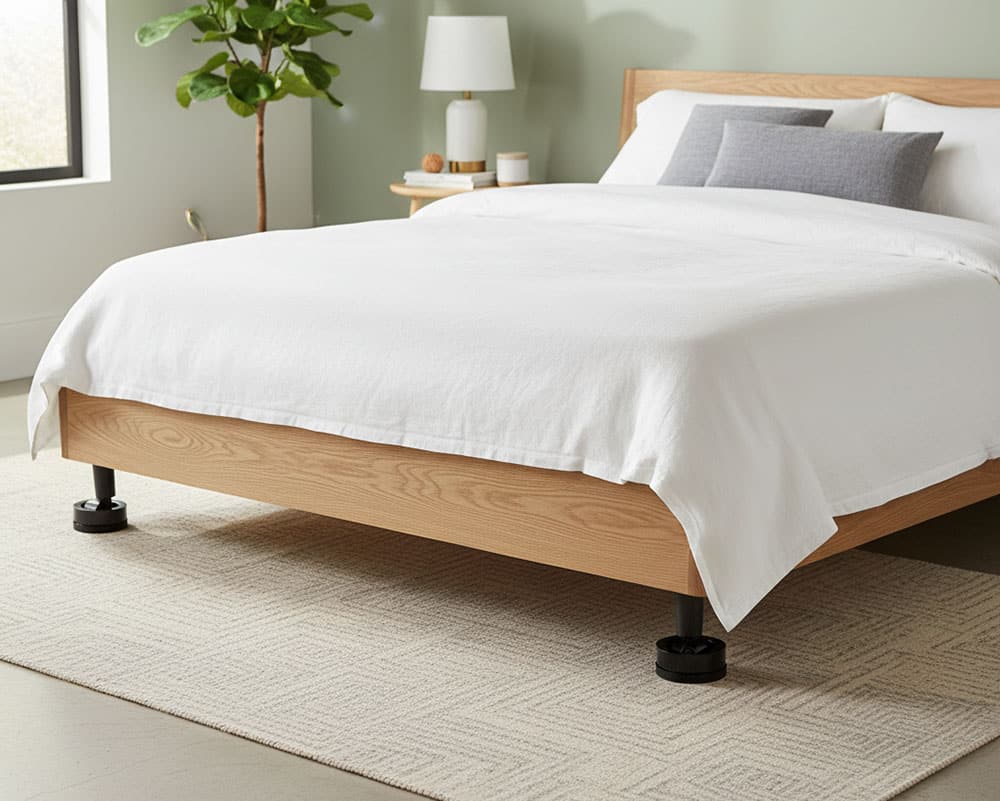
In the article
Last Updated on 20/09/2025 by Tony Abrahams
Let’s cut to it. Bed bugs aren’t a cleanliness problem; they’re a hitchhiking problem. If you want them gone without poisoning your home, this guide walks you through a safe, science-backed plan that works in a single day, and keeps working for years.
- Kill bed bugs instantly with heat (high-heat steam, hot wash ≥60°C, hot dryer ≥30 minutes) and lock down the mattress with encasements.
- Create long-term protection by applying a light dusting of desiccant powder (e.g., diatomaceous earth) to the bed frame and inside bed leg interceptor traps.
- Prevent re-infestation: Once you’ve applied a light dusting of DE to your bed frame and set up your barriers, any new bed bug that tries to reach the bed will be stopped and killed. That’s your built-in protection. No need for constant room sprays or clutter clearin, just keep your barriers in place and you’re covered.
How To Get Rid Of Bed Bugs With The Isolation Method (Non-Toxic)
Get rid of bed bugs instantly with the Isolation Method
This is your step-by-step playbook. No foggers. No chemical haze. Just targeted heat, smart barriers, and an always-on defence.
Step 1 – Steam Bed Bugs to Death (On Contact)
- Use a handheld steamer that delivers very hot vapour; focus only on the bed frame, slats, and headboard. These are the main hiding spots where live bugs and eggs need to be eliminated instantly.
- Work methodically: start with the headboard, then move to the slats and finally the rest of the bed frame.
Why it works: rapid heat kills bed bugs and eggs; washing ≥60°C and drying ≥30 minutes is also lethal.
Step 2 – Encase Your Mattresses & Base
- Fit bed bug–proof mattress covers on the mattress and a second cover on the ensemble base. Zip fully. Trapped bugs die; new bugs can’t get in.
Step 3 – Lay a Long-Term “Dry” Trap for years of protection
- Lightly apply Bed Bug Killer Powder (amorphous silica/DE) to the hidden areas of the bed frame where bugs shelter, behind the headboard, on or under the slats, and underneath the bed base. Add a whisper-thin layer around the bed legs so any bug trying to reach the mattress must cross it.
Why it works: the powder sticks to their bodies, cuts through their waxy shell, and dehydrates them to death within 2–7 days. A fine coating is all you need, too much and they’ll avoid it.
Handy Tip: Lightly mist or wipe surfaces with water before dusting so the powder clings more effectively.
Step 4 – Isolate the Bed (Force Bugs Into the Trap)
Once the powder is in place, your next move is to cut off every shortcut and make sure the only way bed bugs can reach you is by crossing through treated areas.
- Pull your bed 30 cm away from walls and other furniture so bugs can’t crawl across.
- Place Bed Bug Barriers under each bed leg, they act as both a trap and a monitor.
- Keep bedding and blankets off the floor and away from walls to stop bridging paths.
Result: Every bug that tries to get a blood meal is forced to cross your powder-lined kill zone. They don’t make it out alive.
Step 5 – Hot Wash Bed Linen Only
Unlike chemical or room-wide treatments, our system means you don’t need to wash every curtain, item of clothing, or soft furnishing in the room. You only treat what’s directly on the bed.
- Strip the bed and bag the sheets, pillowcases, and blankets.
- Wash on hot (60°C/140°F minimum) to kill any bed bugs or eggs hiding in the fabric.
- Tumble dry on high heat for at least 30 minutes for a final kill shot.
Why this works: If there are any bugs in the rest of the room, they’ll eventually need to reach you on the bed. And the only way to do that is by crossing through your barrier traps and powder, which means game over for them.
Time to Sleep Bite-Free and Get Back To Dreaming
With steam + encasements + barriers + powder, you can treat in a day and sleep in the room that night. Any stragglers that emerge later must cross your dry trap and die. Compare that to weeks of repeat chemical visits.
Discover How and Why Our Isolation Method Works
How Did I Get Bed Bugs?

Bed Bugs Love Second Hand Furniture
It’s the first question everyone asks, and the truth is, bed bugs don’t care how clean or careful you are. They’re world-class hitchhikers and can sneak into your home in more ways than you might think:
- Travel: They often catch a ride in luggage from hotels, Airbnbs, hostels, and even luxury resorts. Bed bugs don’t care if it’s 1-star or 5-star, if people sleep there, they can be there too.
- Public transport: Trains, buses, taxis, rideshares, and even planes can all transfer a bug onto your clothes, bags, or suitcase.
- Movie theatres and waiting rooms: Any place with upholstered seating is a potential hiding spot. A short film session or doctor’s appointment is long enough for one to climb onto your clothing or bag.
- Visitors: Friends or family might unknowingly bring a hitchhiker with them on their clothing or personal items, especially if they live in, or recently visited, an infested space.
- Second-hand furniture: Bed frames, mattresses, couches, and even wooden drawers can all carry bed bugs deep in cracks and seams.
- Shared buildings: In apartments, townhouses, or hotels, bed bugs can crawl through electrical outlets, floorboards, and gaps in shared walls.
Here’s the kicker: it only takes one pregnant female to start a full infestation. And because bed bugs can survive for months without feeding, you might not realise you’ve brought them home until weeks later. That’s why setting up your barriers and powder traps early is so important, they act like a safety net, stopping new arrivals before they reach you.
Signs and Symptoms of Bed Bugs
Because bed bugs are small and excellent at hiding, you’ll usually notice their signs before you spot the bugs themselves. Here’s what to look for, especially after travelling, having visitors, or spending time in places like theatres, hotels, or public transport:
- Bites: Small, red, itchy welts that often appear in clusters or lines on exposed skin (arms, legs, neck, back). Some people react strongly, while others barely notice.
- Blood spots: Tiny rusty or dark red smears on your sheets or pillowcases, these are from crushed bugs after feeding.
- Droppings: Black or brown pin-sized dots (like pepper) on mattress seams, bed frames, or nearby furniture.
- Shells and eggs: Pale, papery shed skins from growing nymphs, and small white eggs tucked into cracks or seams.
- Musty odour: A sweet, unpleasant smell in heavy infestations, caused by bed bug scent glands.
Where to check first: mattress seams, behind the headboard, on or under slats, and around bed frame joints. If you’ve recently travelled or had overnight guests, these are the hot spots to inspect straight away.
Not sure if the marks on your skin are from bed bugs? Take a look at our guide to Bed Bug Bites in Australia for photos and comparisons with other insect bites.
Pro Tip: Even if you only find a few early signs, set up your bed leg barriers and powder treatment immediately. This prevents one or two stray bugs from turning into a full-blown infestation.
How to Treat Bed Bug Bites (Basic Self-Care)
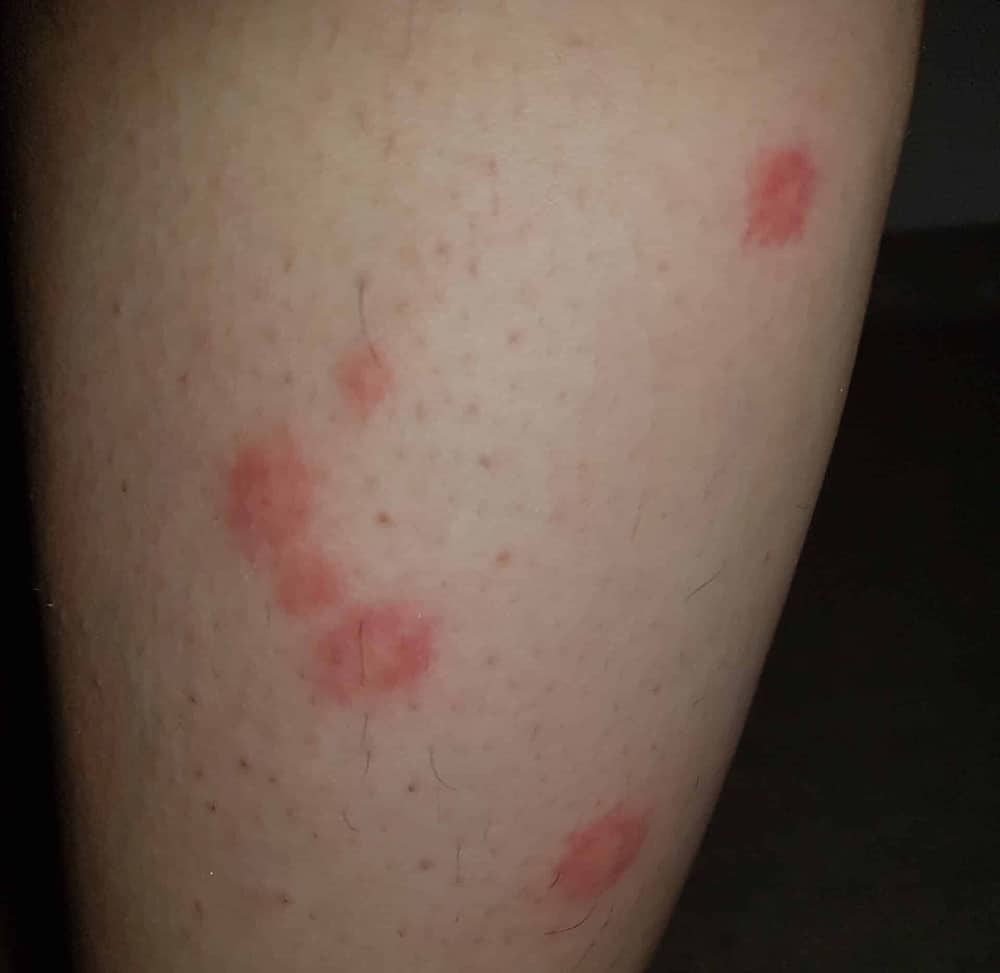
Bed Bug Bites In A Zig Zag Pattern
- Wash bites with antiseptic soap to reduce infection risk.
- Apply an ice pack for swelling/itch relief.
- Use calamine or anti-itch creams; a doctor may suggest short-course steroid cream or antihistamines if very itchy. Seek care for signs of infection or severe allergy.
Prevention That Actually Helps
The beauty of this system is that once it’s set up, you’ve already built a long-term defence. You don’t need to treat the whole room or keep reapplying sprays, your bed is protected for years.
- Keep your barriers in place under each bed leg. They double as monitors, so if anything tries to climb, you’ll know.
- Leave the light dusting of DE on the bed frame. It keeps working in the background, killing any bug that tries to sneak back.
- Use encasements on your mattress and base – once zipped, they stay on as a permanent shield.
- Be smart when travelling – if you ever pick up a hitchhiker, they’ll hit your defences and won’t make it to you.
Result: Even if a new bed bug enters your home months or years later, it can’t get past your fortress. No sprays. No repeat treatments. Just built-in peace of mind.
When Do You Actually Need Professional Help?
Not just because it’s a big infestation. The Bed Bug Barrier Isolation Method works for single rooms and whole homes. Most people can do this themselves and sleep bite-free the same night.
Consider outside help only if:
- You can’t safely carry out the steps yourself (mobility limits, time constraints, sensitivity to dust).
- Your bed can’t be isolated or modified without tools or extra hands (for example, built-in bases with no legs) and you need help setting up barriers correctly.
- You manage a rental, hotel, or strata property that requires third-party documentation or compliance checks.
- There’s heavy clutter you can’t practically move. Isolate the bed first for instant relief, then get help with the lifting.
If you choose chemicals instead of our non-toxic system, always follow the label and local rules. Otherwise, stick with the Isolation Method and our DIY kits for instant results and long-term protection.
DIY: Your 5-Point Checklist
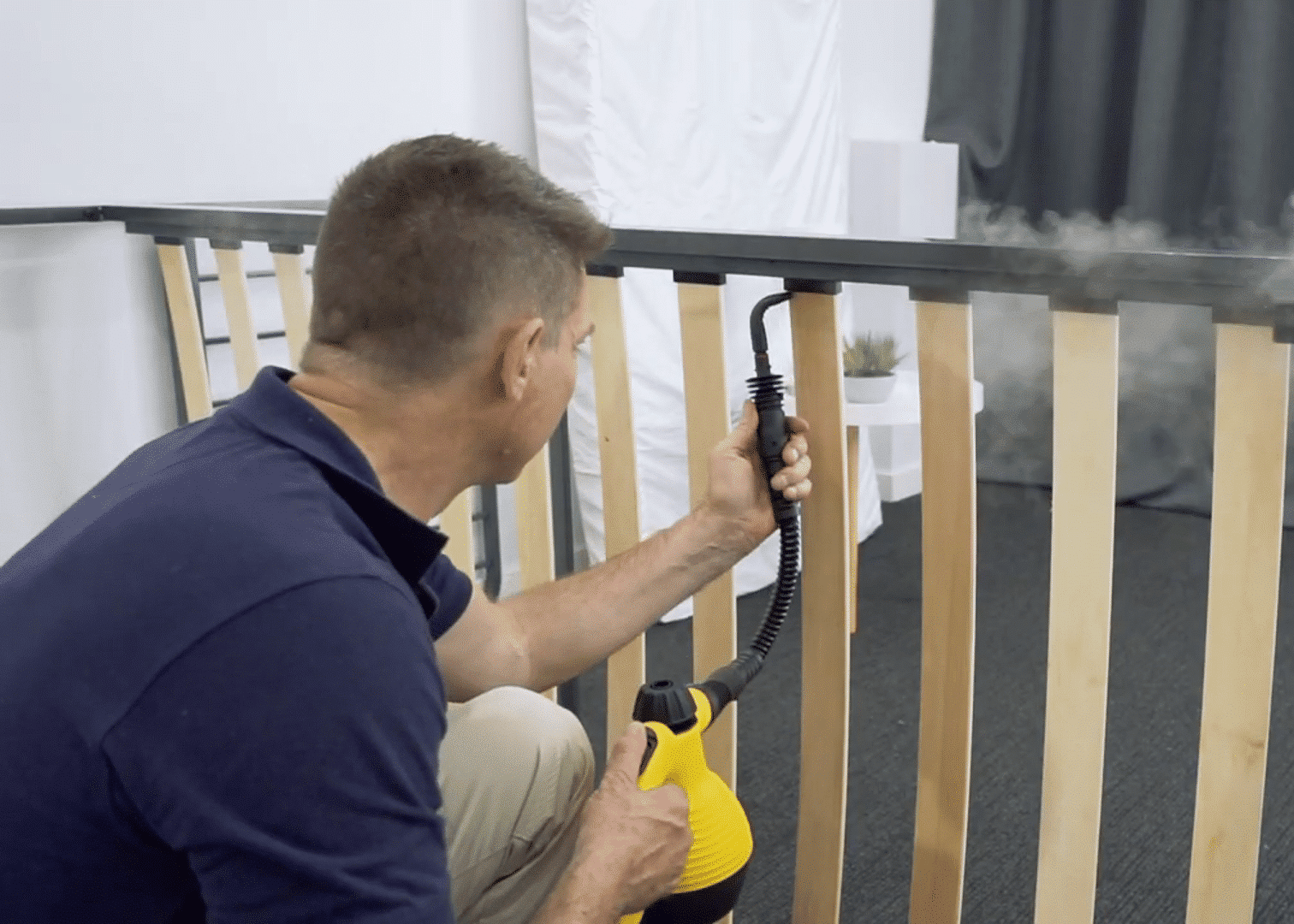
DIY with steam to kill the bed bugs instantly
- Watch the DIY videos (ensemble and slat beds).
- Steam thoroughly (bed frames, slats, headboard).
- Fit mattress + base encasements.
- Dust a light layer of Bed Bug Killer Powder where bugs must travel.
- Install bed leg barriers and pull the bed 30 cm from walls.
FAQs: How to Get Rid of Bed Bugs
- Can I get rid of bed bugs in one day?
You can get to bite-free sleep in a day by combining steam, encasements, barriers, and desiccant powder. Hidden bugs that emerge later must cross the dry trap and die, giving you lasting protection. - Do bed bugs spread disease?
They’re not known to spread disease, but bites can cause significant itching, secondary infection from scratching, and rarely severe allergic reactions. - Why do chemical programs take weeks?
Sprays often don’t kill eggs. Follow-up visits are needed to catch hatchlings, which is why many households prefer a non-toxic isolation approach.
Watch Videos: How to Get Rid of Bed Bugs on Different Beds
How to Get Rid of Bed Bugs On An Ensemble Base
How to Get Rid of Bed Bugs On A Bed Frame with Slats
If you have enjoyed our blog, How To Get Rid Of Bed Bugs, then you might like to read about the Bed Bug Life Cycle.
Sources: How To Get Rid Of Bed Bugs
Oxford Academic (Perspectives on Biology and Management)
National Library of Medicine (Clinical Relevance and Control Options)

Tony pioneered a non-toxic, eco-friendly solution for bedbug infestations. His innovation won the ABC TV show “The New Inventors” in 2009. In 2012, he successfully registered Diatomaceous Earth for bedbug control in Australia.





Leave a Reply