


In the article
Last Updated on 15/08/2025 by Tony Abrahams
The fastest way to stop dust mites is to use dust mite prevention tools. Use zippered mattress, duvet and pillow encasements, HEPA vacuums, steam cleaners, air purifiers, and washable covers for sofa seats, cushions, and pet beds. These tools work together to block, trap, kill, and remove dust mites from your home, without relying on harsh chemicals.
Why Dust Mite Prevention Matters More Than You Think
Dust mites live off dead skin cells and love places like your mattress, pillows, carpet, curtains, even soft toys. They don’t bite, but their waste and decomposing bodies are packed with allergens. This means every time you fluff a pillow or pull back your doona, you could be releasing a little storm of allergens into the air.
For people with dust mite allergies or respiratory issues, prevention isn’t optional, it’s essential. That’s where the right tools come in.
Best Dust Mite Prevention Tools (Reviewed and Ranked)
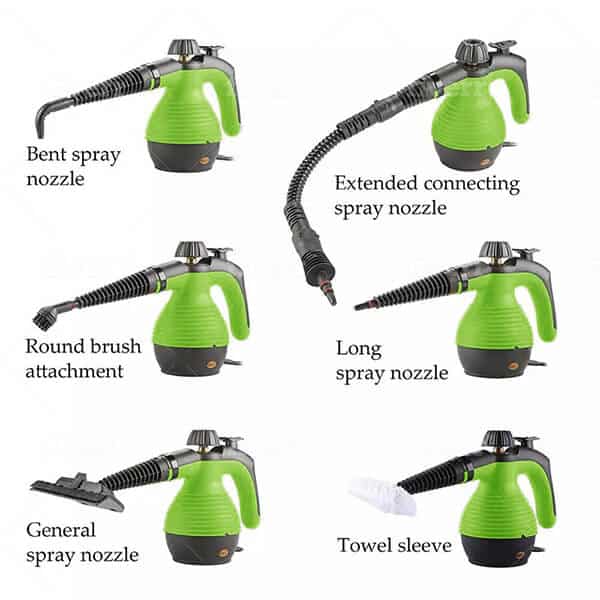
Use a steamer with multiple attachments
1. Mattress and Pillow Encasements
- Fully zippered covers that seal in dust mites and prevent them from escaping or entering. This creates a physical barrier that traps existing mites and blocks new infestations.
- Make sure they’re labeled allergen-proof and waterproof. This ensures protection against both allergens and accidental spills, which can contribute to dust mite growth.
- Bonus if they’re breathable and comfortable to sleep on. Some encasements can be noisy or stiff—look for soft, breathable fabrics to maintain comfort.
Pro tip: Bed Bug Barrier’s mattress and pillow protectors are waterproof, dust mite proof, and durable enough for long-term use. They also help protect against bed bugs, so it’s a win-win.
2. Dust Mite-Proof Bedding
- Duvet and blanket covers that block mites from nesting inside and multiplying within your bedding. These add another layer of defence on top of your encased pillows and mattress.
- Washable at high temperatures. Hot water (at least 60°C) is required to kill mites and remove their allergens, so make sure the materials can handle frequent hot washes.
3. Allergy-Proof Pet Bed Covers
- Pets carry mites too. Their beds and furniture can quickly become breeding grounds. Use waterproof covers that completely encase the pet bed and zip shut.
- Look for machine-washable materials that can withstand hot water and regular laundering, just like your own bedding.
4. HEPA Vacuums
- Trap dust mite allergens using High-Efficiency Particulate Air filters that capture particles as small as 0.3 microns—including mite waste and body fragments.
- Use with motorised brush heads on carpets, mattresses, and upholstery. The agitation lifts debris from fabric, while the HEPA system ensures nothing gets blown back into the air.
5. Steam Cleaners
- Kill mites instantly with temperatures over 60°C. Steam penetrates deeply into fabric and carpet fibres where mites hide, providing chemical-free eradication.
- Ideal for mattresses, lounges, curtains, and carpets. A good steamer can sanitise large soft surfaces without leaving moisture behind if used correctly.
6. Air Purifiers
- Look for models with true HEPA filters, not just “HEPA-like.” Only true HEPA filters trap allergens effectively.
- Help reduce airborne mite waste, especially in bedrooms where symptoms tend to be worse. Continuous filtration of indoor air reduces overall allergen load.
Reality check: Many vacuums and sprays just push allergens around. Steam and HEPA filters actually remove them.
Natural Dust Mite Prevention vs Chemical Products
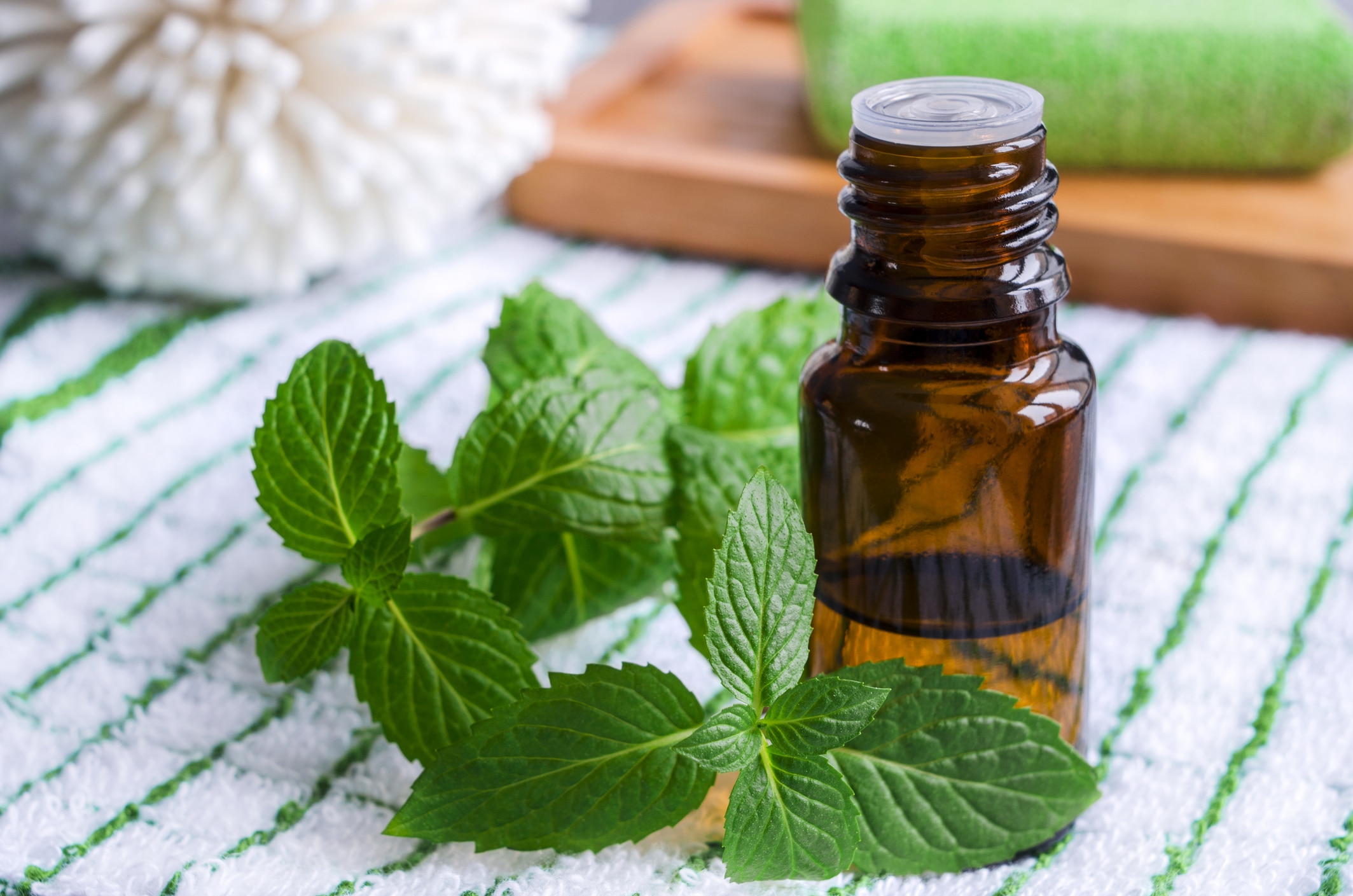
Essential mint oil
When it comes to keeping dust mites under control, most people fall into one of two camps: those who want a natural, low-tox approach and those who reach straight for chemical sprays. Both have their place, but the results can be very different.
Natural Options – Essential Oils and Low‑Tox Methods
Certain essential oils, particularly eucalyptus, mint, tea tree, and clove oil, contain strong natural compounds that can help repel or kill dust mites on contact. They work by breaking down the mite’s outer layer or interfering with their respiratory system. However, they’re not a magic bullet. Oils on their own won’t penetrate deep into mattresses, carpets, or upholstered furniture where the majority of mites live.
The best way to use essential oils for dust mite prevention is as part of a multi‑step routine:
- Add a few drops to a cleaning spray used for hard surfaces, bed frames, or the outside of mattress encasements.
- Mix with water and a mild detergent for wiping down smooth furniture surfaces.
- Use in a diffuser to lightly scent a room, which may make the environment less inviting to mites.
Important: Essential oils should be used with care:
- Test for sensitivities first – strong oils can trigger reactions in sensitive people, children, or pets.
- Avoid overuse – too much oil can cause headaches, skin irritation, or respiratory discomfort.
Why Most Chemical Sprays Fall Short
Chemical dust mite sprays often promise quick results, but they have some serious limitations:
- Contact‑only kill: Most sprays only work if they hit the mite directly, meaning any buried deep inside fabrics remain untouched.
- Short lifespan: Even the more potent formulas lose effectiveness quickly. Mites breed fast, females can lay up to 100 eggs, so missed pockets will repopulate in days or weeks.
- Health concerns: Many sprays contain synthetic chemicals and strong fragrances that can trigger asthma, allergies, or skin irritation.
- Residue build‑up: Over time, repeated spraying can leave chemical residues in fabrics and bedding, which is less than ideal for sensitive individuals.
If you do choose to use a chemical spray:
- Always follow the label exactly.
- Treat it as a supplement to more reliable tools – like encasements, HEPA vacuuming, and steam cleaning-rather than your primary method.
- Air out treated rooms well before sleeping in them.
Tools for Treating Sofas, Carpets, Curtains, and Pet Beds
- Dust mite barrier covers for sofas and seat cushions physically block mites from embedding into the padding. Choose zippered, washable covers.
- Steam clean curtains, cushions, and even dog beds regularly. These are hotspots for mites that often get overlooked in cleaning routines.
- Use vacuum attachments designed for fabric and cracks. Crevice tools, upholstery brushes, and turbo heads help dislodge mites from tricky areas.
How to Know If Your Dust Mite Prevention Tools Are Working

Rest easy: allergy‑free sleep starts with the right dust mite prevention tools.
- Fewer morning allergy symptoms (sneezing, congestion) suggest lower allergen exposure overnight.
- Less visible dust buildup on surfaces indicates more effective cleaning and filtration.
- Fewer asthma flare-ups or itchy skin episodes mean your tools are working and allergens are under control.
- You breathe easier. You sleep better. That’s your sign the system is working.
Keep at it: Prevention isn’t a one-time fix. Think of it as part of your weekly cleaning routine.
FAQs About Dust Mite Prevention Tools
Q1: Do dust mite sprays really work?
A: Not long-term. Most sprays kill on contact but don’t prevent re-infestation. Go for steamers, HEPA vacuums, and protective covers.
Q2: What’s the best dust mite prevention for beds?
A: Waterproof and allergen-proof encasements that fully zip and seal the mattress and pillows.
Q3: Can Diatomaceous Earth be used for dust mites?
A: No. While DE is effective against crawling insects like bed bugs, it’s not recommended for dust mites and may create unnecessary airborne particles.
Q4: How often should I clean to keep dust mites away?
A: Weekly hot washes for bedding, vacuum 1–2 times per week, and use steam on soft surfaces every few weeks.
Q5: Are dust mites visible to the naked eye?
A: Nope. They’re microscopic. But the allergic reactions they cause are very visible.
House dust mites might be tiny, but the tools to stop them are mighty. Whether you’re managing allergies, protecting your kids, or just wanting to breathe cleaner air, these prevention tools can make a massive difference. And the sooner you start, the sooner you’ll feel the change.
Dust Mite Proof Covers for Couches, Cushions, and Pet Beds
If you have enjoyed our blog, Dust Mite Prevention Tools, then you might like to read about, Smells Dust Mites Hate.
Sources: Dust Mite Prevention Tools

Tony pioneered a non-toxic, eco-friendly solution for bedbug infestations. His innovation won the ABC TV show “The New Inventors” in 2009. In 2012, he successfully registered Diatomaceous Earth for bedbug control in Australia.





Leave a Reply