


In the article
Last Updated on 02/09/2025 by Tony Abrahams
When it comes to pests in your home, few things are more unsettling than bed bugs and carpet beetles. They’re small, sneaky, and often mistaken for one another, but the problems they cause are very different. Bed bugs feed on blood and leave itchy welts, while carpet beetles damage fabrics and furnishings.
Confusing the two can lead to wasted time and the wrong treatment. In this guide, we’ll break down the key differences between bed bugs vs carpet beetles, show you how to spot the signs, and share the best ways to get rid of them for good.
Identifying Bed Bugs vs Carpet Beetles
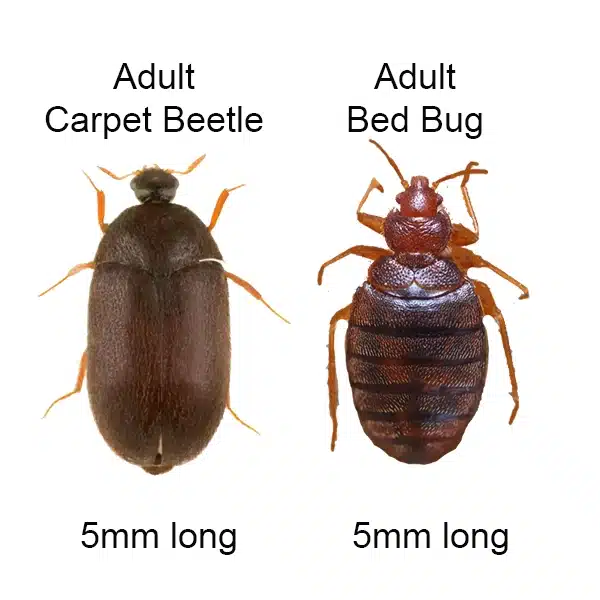
Side-by-side comparison of bed bugs vs carpet beetles – bed bugs are flat, reddish-brown blood feeders, while carpet beetles are rounder, patterned, and fabric-damaging insects.
First things first, let’s look at how to identify these pests.
Bed Bugs
- Bed bugs are small, flat, and oval-shaped
- Reddish-brown in colour
- About the size of an apple seed
- Bite and feed on blood, leaving itchy welts
Carpet Beetles
- Carpet beelts are oval-shaped, often a bit rounder
- Come in various colours like black, brown, and orange
- Don’t bite, but larvae hairs can trigger allergic skin reactions
Habitat Preferences: Bed Bugs vs Carpet Beetles
Bed Bugs
- Prefer dark, quiet places like under mattresses or behind headboards
- Nocturnal and come out to feed at night
Carpet Beetles
- Found in dark, undisturbed areas like wardrobes, cupboards, and attics
- Adults can fly and may enter through open windows
Life Cycle: Bed Bugs vs Carpet Beetles
Understanding their life cycles is crucial for effective treatment.
Bed Bugs
- Three stages of the bed bug life cycle: egg, nymph, and adult
- Require blood to grow at every stage
Carpet Beetles
- Complete metamorphosis: egg, larva, pupa, and adult
- Larvae are the main problem, feeding on fabrics and carpets
Signs of Infestation: Bed Bugs vs Carpet Beetles
Spotting the signs early helps you act fast.
Signs of Bed Bugs
- Red, itchy bed bug bites on your skin
- Small blood stains on sheets
- Rust-coloured spots on furniture or skirting boards
Signs of Carpet Beetles
- Damaged fabrics, carpets, and natural fibres
- Larvae and shed skins around the home
- Dead adults near window sills
Health Risks: Bed Bugs vs Carpet Beetles

Health risks of bed bugs and carpet beetles
Bed Bugs
- Can cause allergic reactions in some people
- Bites may lead to secondary infections if scratched
Carpet Beetles
- Generally not harmful; larvae hairs can irritate skin
- Can damage belongings, which can be costly
Prevention Tips: Bed Bugs vs Carpet Beetles
For Bed Bugs
- Regularly inspect bedding and furniture
- Use protective bed bug covers on mattresses
- Use a handheld steamer to kill them instantly
- Apply Diatomaceous Earth (Bed Bug Powder) for long-term control
- Install bed leg traps to stop climbs
For Carpet Beetles
- Vacuum thoroughly and often, especially edges and under furniture
- Store vulnerable clothes and textiles in airtight containers
- Use a steamer on affected areas where safe to do so
Treatment Options: Bed Bugs vs Carpet Beetles
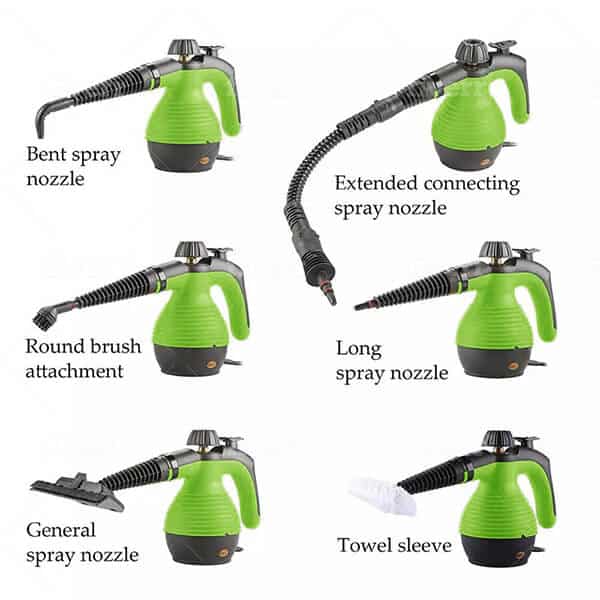
Steam kills bed bugs and carpet beetles instantly
If you’ve identified an infestation, quick and effective treatment is essential. While both pests require a different approach, the good news is that you can tackle them without immediately calling in expensive pest control companies. Here’s how:
Bed Bugs
Because bed bugs live close to where you sleep, treating them properly is critical for both comfort and health. Many people waste time and money on supermarket sprays that only work on direct contact and never reach hidden bugs. A more effective strategy is a combination of instant knockdown and long-term protection.
- DIY Bed Bug Barrier System: Our system is designed to kill bed bugs instantly and provide years of ongoing protection. Steam kills on contact, mattress and base covers trap existing bugs, and bed leg barriers force any survivors to walk through Diatomaceous Earth powder that dehydrates them to death.
- Targeted Steam Treatments: A handheld steamer can instantly kill bed bugs hiding in seams, cracks, or furniture joints. Unlike sprays, steam penetrates fabrics and hard-to-reach spots.
- Heat Treatments: Washing bedding and clothes in hot water (above 60°C) and drying them on high heat will kill bed bugs and eggs.
- Long-Term Prevention: After the infestation is under control, keep your bed isolated with bed leg traps and ensure your mattress stays sealed inside a protective cover.
Carpet Beetles
Carpet beetles don’t bite, but their larvae can cause rashes and eat through clothes, carpets, and stored fabrics. Unlike bed bugs, they feed on natural fibres rather than blood, so your treatment strategy is about cleaning and exclusion.
- Deep Cleaning: Vacuum every corner of affected rooms, especially edges of carpets, under furniture, and inside wardrobes. Dispose of the vacuum bag or empty the canister outdoors.
- Hot Wash & Dry: Wash infested fabrics at a high temperature and tumble dry on hot.
- Insecticides: Apply products specifically labelled for carpet beetles in cracks, crevices, and storage areas.
- Storage Solutions: Keep natural fibres like wool, silk, or cotton in airtight containers.
- Steam as a Natural Option: A steamer can be used on carpets, rugs, and upholstery to kill larvae without chemicals.
Conclusion: Bed Bugs vs Carpet Beetles: Why the Distinction Matters
Understanding the differences between bed bugs and carpet beetles isn’t just an academic exercise, it’s the key to protecting your home, your sleep, and your peace of mind.
Bed bugs are blood-feeding pests that thrive on human hosts, leaving behind itchy bites and sleepless nights. Carpet beetles, on the other hand, don’t bite but their larvae can damage fabrics, clothes, and furniture, and sometimes trigger allergic reactions. Misidentifying one for the other can send you down the wrong treatment path, wasting money, time, and energy while the real problem only gets worse.
By learning how to identify them, looking closely at their appearance, their life cycles, and the damage they cause, you put yourself in a position of control. Instead of reacting in panic, you’ll know exactly what you’re up against and which steps to take next.
The takeaway is simple: early identification leads to smarter prevention and faster, more effective treatment.
Frequently Asked Questions: Bed Bugs vs Carpet Beetles
- What can be mistaken for a carpet beetle? Carpet beetles are often mistaken for bed bugs, fleas, ants, or clothes moth larvae.
- Is it a carpet beetle rash or bed bug bites? A carpet beetle rash is an allergic reaction to larvae hairs and appears as itchy, red bumps. Bed bug bites are red, itchy bumps in a line or cluster on exposed skin during sleep.
- How do you permanently get rid of carpet beetles? Clean and vacuum thoroughly, wash infested fabrics, discard heavily infested items, use suitable insecticides, and store natural fibres in sealed containers.
Are you looking for an organic DIY treatment?
Watch Our DIY Video for an Ensemble Bed
Watch Our DIY Treatment Video for a Bed with Slats
If you enjoyed our blog, Bed Bugs vs Carpet Beetles, you might also like to read, Should You Stay Home If You Have Bed Bugs?
Sources: Bed Bugs vs Carpet Beetles
- Centers for Disease Control and Prevention (CDC) – Bed Bugs FAQs: https://www.cdc.gov/parasites/bedbugs
- Environmental Protection Agency (EPA) – Carpet Beetles: Identification and Control: https://www.epa.gov/ipm/carpet-beetles
- University of California Statewide IPM Program – Carpet Beetles: https://ipm.ucanr.edu/PMG/PESTNOTES/pn7436.html

Tony pioneered a non-toxic, eco-friendly solution for bedbug infestations. His innovation won the ABC TV show “The New Inventors” in 2009. In 2012, he successfully registered Diatomaceous Earth for bedbug control in Australia.





Trevor Valentine says
Do the electronic sirens work for bed bugs’ flies and mosquito’s?
Bed Bug Barrier says
Hi Trevor
So, about those electronic sirens and whether they’re effective against bed bugs, flies, and mosquitoes – it’s a mixed bag, really.
For bed bugs, electronic sirens (also known as ultrasonic pest repellers) are generally not effective. Bed bugs are pretty stubborn little critters, and they’re more influenced by factors like warmth and carbon dioxide when seeking out their next meal (unfortunately, that’s us humans!). The idea behind ultrasonic repellers is that they emit high-frequency sounds that are supposed to be annoying or disorienting to pests. However, there’s little evidence to suggest that bed bugs are bothered by these frequencies. Your approach of using a specialized, eco-friendly treatment sounds way more promising for dealing with bed bugs.
Now, when it comes to flies and mosquitoes, the story is a bit different. Some people swear by ultrasonic repellers for these pests, but the scientific evidence is still pretty inconclusive. There are studies that show mixed results – some find a reduction in mosquito and fly activity, while others don’t see much difference. It might be that the effectiveness varies depending on the specific type of ultrasonic device, the frequency it emits, or even the particular species of mosquito or fly.
My take? If you’re dealing with bed bugs, stick to your proven, eco-friendly method. For flies and mosquitoes, you could give an ultrasonic repeller a try, but keep your expectations in check. It might help a bit, but it’s unlikely to be a silver bullet. And hey, it’s always good to have a backup plan, like good old-fashioned screens on your windows and maybe some natural repellents, just in case the electronic gadget doesn’t quite cut it. Regards Tony
Tony Abrahams says
Hi Trevor. No. Electronic sirens dont work. Regards Tony