



In the article
Last Updated on 06/01/2026 by Tony Abrahams
TL;DR: Bed bugs on cruise ships are more common than most people realise. They hitchhike in luggage, hide in cabin furniture and can follow you home if you are not careful. Inspect your cabin as soon as you board, keep luggage isolated, and heat treat clothes when you return. If bed bugs do reach your bedroom, use our Bed Bug Isolation Method with steam, mattress covers, Diatomaceous Earth powder and bed leg barriers to kill every bug in the room without toxic sprays or repeat pest control visits.
Bed bugs on cruise ships are one of those holiday nightmares nobody wants to think about, but more and more passengers are learning about them the hard way.
Modern cruise ships are basically floating hotels with thousands of people, constant cabin turnover, and luggage coming on and off at every port. That is ideal for bed bugs. If just one group of passengers brings them on in a suitcase, those bugs can quietly spread through cabins, staff areas and even soft furnishings in lounges and theatres.
Why Bed Bugs On Cruise Ships Are Such A Big Problem
Bed bugs on cruise ships are a growing issue
Bed bugs are hitchhikers. They do not swim in through the porthole or fly in from the deck. They arrive hidden in:
- Luggage and backpacks
- Clothing, hats and coats
- Soft furnishings and souvenir textiles bought in port
Once on board, cruise ships give them everything they need:
- Warm, stable temperatures
- Plenty of sleeping humans every night
- Lots of cracks, seams and joints in beds, sofas and wall panelling
- Housekeeping trolleys and linen bags that move between cabins
To make it worse, bed bugs are not a sign of a dirty ship. Even a vessel that passes strict health inspections can still have a bed bug problem in a handful of cabins. A quick spray before embarkation is not going to fix an established infestation hidden inside bed frames, behind headboards or inside skirting boards.
Why Treating Bed Bugs At Sea Is So Difficult
You would think that a giant, well funded cruise line could simply blast the problem with chemicals and heat and be done with it. In reality, it is not that simple.
Here is why bed bug treatments on cruise ships are so challenging:
- The ship is always “live”. There are passengers, crew and tight schedules. You cannot just empty half the ship for a few days and do a full structural treatment.
- Cabin turnover is constant. One group gets off in the morning and the next is boarding that afternoon. There is very little time for detailed inspections of every nook and cranny.
- Chemical restrictions. Stronger insecticides are not ideal in small, sealed cabins with children, elderly passengers or people with respiratory issues.
- Hidden harbourages. Bed bugs often hide inside bed bases, behind fixed headboards, inside wall panelling and along carpet edges. A quick surface spray is not going to reach them.
- Re infestation risk. Even if one cabin is treated, bed bugs may have already moved along corridors, into neighbouring cabins or into staff quarters.
Most cruise lines have official “detection and treatment plans” and train cabin stewards to look for signs of bed bugs. On paper that sounds reassuring. In practice, all it takes is one missed infestation or one rushed inspection and you have guests waking up covered in bites.
When Bed Bugs Lead To Lawsuits

Bed bug lawsuits on cruise ships
Recently, two Carnival cruise passengers filed a lawsuit after allegedly waking up on the Carnival Horizon covered in more than 30 bed bug bites. According to the complaint, they later found live bed bugs, faecal spotting and eggs in their stateroom and claimed the crew did not properly remediate the problem, even though other cabins on the same deck were reportedly being fumigated.
Their claim lists painful welts, medical treatment, loss of sleep, ruined personal items and long term anxiety about travel. They are suing for negligence and asking for damages.
Cases like this are not just embarrassing for cruise lines. They are expensive. Legal costs, compensation, negative press and nervous passengers add up quickly. The simple truth is that if bed bugs are not handled properly, cruise companies can and do get sued by angry guests.
Bed Bug Bites in Australia: How to Find, Treat and Prevent Bed Bugs Fast
How To Avoid Bringing Bed Bugs Home From A Cruise
You cannot control what the cruise line does behind the scenes, but you can reduce the risk of bed bugs hitching a ride home with you.
1. Inspect your cabin the moment you arrive
Before you flop onto the bed and start unpacking:
- Put your suitcase in the bathroom or on a hard surface, not on the bed.
- Pull back sheets and check mattress seams, especially around the head end.
- Look around and behind the headboard if you can see it.
- Check the bed base, skirting boards and the top edges of the mattress.
- Inspect sofas, pull down bunks and curtain seams near the bed.
You are looking for small, flat, reddish brown bugs, tiny white eggs, dark spots (dried faeces) or shed skins.
2. Keep your luggage isolated
- Use hard shelled luggage if possible.
- Store suitcases on a luggage rack, away from the bed and walls.
- Keep clothes in the wardrobe or in sealed bags, not piled on the bed.
- Avoid putting handbags and backpacks on soft furniture.
3. If you see signs of bed bugs, act immediately
If you find evidence of bed bugs:
- Take clear photos of bites and any bugs or spotting.
- Report it to guest services straight away and request another cabin far from the affected one.
- Ask what their treatment process is and get names, dates and details in writing if you can.
This is important for your own safety, but it also matters if there is any dispute later about compensation.
Read More About How To Prevent Bed Bugs
What To Do If Bed Bugs Follow You Home
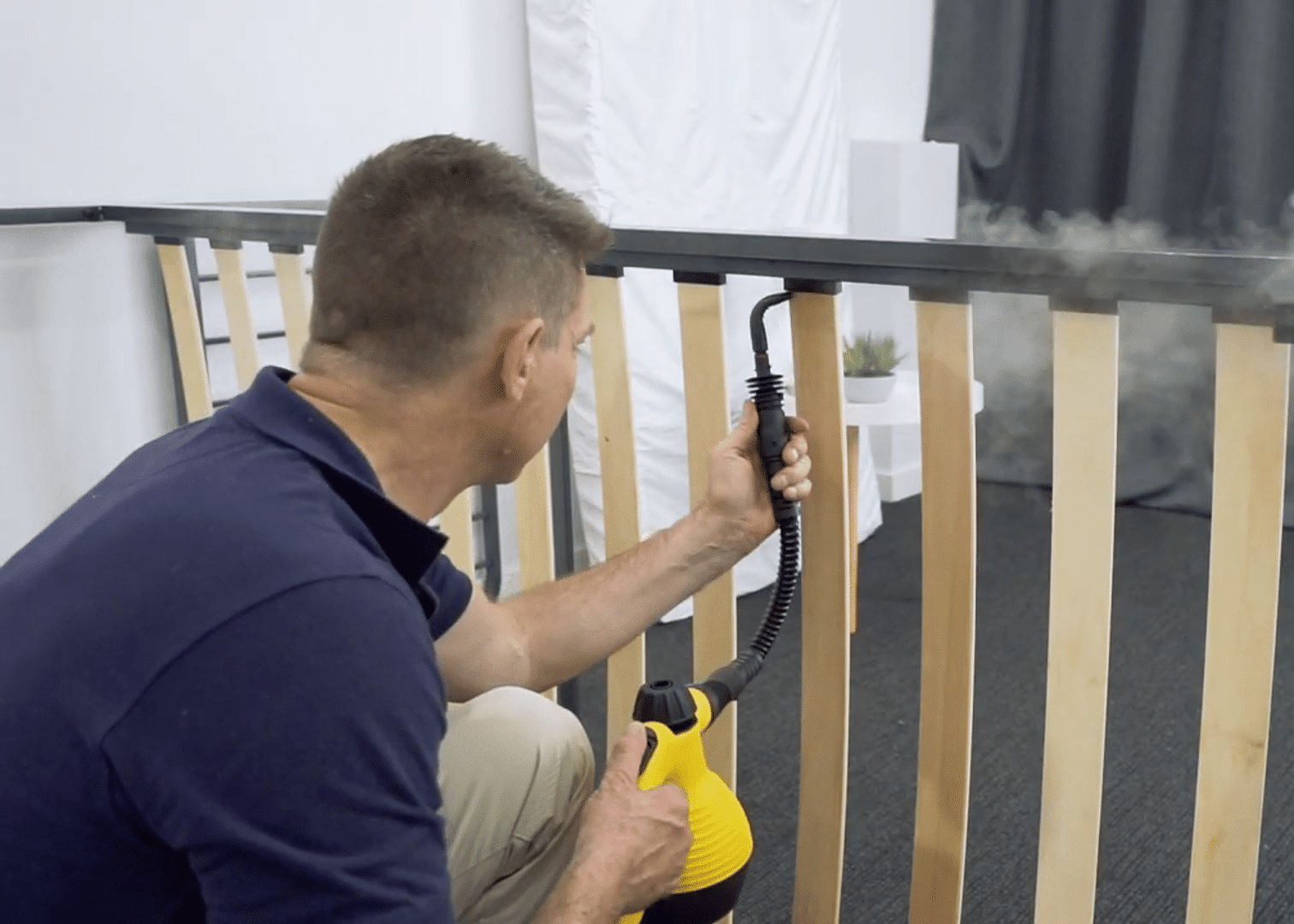
Fastest DIY Treatment for Bed Bugs
Even if you are careful, bed bugs on cruise ships can still hitchhike home in your luggage. The key is to deal with them immediately, in a controlled, systematic way.
Step 1: Unpack like a professional
- Ideally unpack in a garage, laundry or tiled area, not on carpet.
- Put all clothes and soft items straight into sealed bags until you can wash them.
- Vacuum your suitcase slowly, especially seams and pockets, then empty the vacuum outside.
Step 2: Wash and heat treat textiles
- Wash clothes on a hot cycle where the fabric allows.
- Dry in a hot dryer for at least 30 minutes. Heat is very effective on bed bugs and eggs.
- Items that cannot be washed can often still be run through a dryer on a suitable setting.
Step 3: Use the Isolation Method if bed bugs are already in the bedroom
If you start noticing bites at home or find actual bugs, you need more than a hot wash. This is where our Bed Bug Barrier Isolation Method comes in.
The idea is simple. You make your bed the only safe “restaurant” in the room, then force every bed bug to walk through our long lasting Bed Bug Killer Powder barriers to reach you. When they cross the powder, they dehydrate and die.
Here is how it works in practice:
- Secure the mattress and base. Fit a quality bed bug mattress cover and, if you have a base, a matching base cover. This traps any bugs already inside and stops new ones entering.
- Kill them instantly with steam. Use a low cost steamer on the bed frame, slats, ensemble base, skirting boards and any cracks around the bed. This gives you fast relief while the long term treatment goes to work.
- Lay down Bed Bug Killer Powder on the bed frame. Lightly dust our Bed Bug Killer Powder along bed slats, joints and inside screw holes. Any bed bug trying to reach you has to crawl across it.
- Install bed leg barriers. Place Floor Bed Bug Barrier Traps or screw in barriers under each bed leg and charge them with powder. This isolates the bed from the rest of the room.
- Move the bed away from walls and furniture. Keep at least 30 cm distance so bugs cannot climb up the wall and across the headboard or bedding.
- Declutter gradually, not perfectly. Unlike pest controllers, we do not need you to empty the entire room in one exhausting weekend. The isolation system works even in messy rooms, because the bugs are forced back to the bed for a blood meal and die crossing the powder.
Once the system is in place, you can sleep in the bed that night. Over the next days and weeks, every hungry bed bug in the room tries to reach you and is killed by the Diatomaceous Earth. No poison fumes, no throwing out furniture, no repeat chemical sprays.
Why Our DIY System Beats Traditional Pest Control

Instant and long term bed bug protection
Many people’s first instinct is to call a pest controller. The problem is that traditional treatments are designed around spraying rooms, not isolating the host.
Here are the issues we see again and again with chemical pest control for bed bugs:
- Multiple visits. You are usually paying for two, three or more treatments over weeks or months.
- Heavy preparation. Tenants are told to empty wardrobes, bag everything, move furniture and make the place spotless. For elderly, disabled or unwell people, that is simply not realistic.
- Chemical resistance. Bed bugs around the world are increasingly resistant to common insecticides. You might kill the weak ones and leave behind the strongest.
- Limited long term protection. Sprays break down. Once the chemical has degraded, there is nothing stopping a new batch of bed bugs from moving in.
- Cost. Professional treatments can easily run into the thousands of dollars and still fail if the preparation is not perfect.
Our Isolation Method solves these problems in one go:
- It uses Diatomaceous Earth powder that kills bed bugs physically, so they cannot develop resistance.
- Once applied correctly in barriers and traps, it keeps working for years, as long as it stays dry.
- You do not need to spray chemicals where you sleep, which is better for children, pets and anyone with asthma or chemical sensitivities.
- You get instant relief from steam and long term protection from the powder, mattress covers and barriers.
- The total cost of a full DIY Bed Bug Kit setup is usually far less than a single professional treatment, and you own the system for future protection.
FAQs: Bed Bugs On Cruise Ships And Bringing Them Home
1. Can cruise ships really have bed bugs if they pass health inspections?
Yes. Health inspections focus on overall sanitation, food safety and disease control. Bed bugs can still be hiding in a few cabins or soft furnishings and only show themselves when passengers are asleep. Passing an inspection does not guarantee a ship is free of bed bugs.
2. What should I do if I wake up with bites on a cruise?
Take clear photos of the bites and check your mattress seams and bed frame for live bugs, eggs or dark spotting. Report it to guest services immediately and ask to be moved to another cabin far from the affected one. Keep your luggage off the bed and start planning to heat treat your clothes when you get home, just in case.
3. Can I sue a cruise line if I get bed bugs on a cruise?
Passengers have sued cruise lines over bed bug infestations before, especially when there is evidence that the company knew or should have known about a problem and failed to fix it. Every case is different, so for legal advice you would need to speak with a solicitor who specialises in travel or personal injury law.
4. How do I know if I brought bed bugs home from a cruise?
Watch for small, itchy bites that show up in lines or clusters, usually on arms, legs or exposed skin. Check mattress seams, bed bases and bed legs for bugs, eggs or black spotting. If in doubt, assume a few may have come home in your luggage and follow our DIY Bed Bug Instructions to set up the Isolation Method before the problem grows.
5. Is your Isolation Method safe for children and pets?
Our system uses organic Diatomaceous Earth powder in controlled barriers, mattress covers and bed leg traps. Used as directed, it is safe around children and pets because it works physically on the bugs, not chemically on you. You avoid repeat chemical sprays in sleeping areas and still kill every bed bug that tries to reach the bed.
Final Thoughts: Enjoy The Cruise, Not The Bed Bugs
Bed bugs on cruise ships are not going away any time soon. As long as travellers carry luggage and ships pack thousands of people into cabins, there will be a risk of bed bugs on cruise ships.
What you can control is how prepared you are. Inspect your cabin when you board, keep your luggage isolated, and treat your clothes properly when you get home. If bed bugs do slip through, you do not have to panic or throw out your furniture. Set up our Isolation Method once and let the system do the work for you.
That way you can enjoy the fun parts of cruising, knowing you have a clear plan to deal with bed bugs on cruise ships and stop them turning your holiday into a long term problem.
Watch Our DIY Videos: Control Bed Bugs With The Isolation Method
Are you looking for an organic DIY treatment? These step-by-step videos show you exactly how to use the Isolation Method on different types of beds.
For an Ensemble Bed
For a Bed with Slats
Sources: Bed Bugs On Cruise Ships
USA Today: Carnival Cruise guests sue over alleged bed bug infestation
CDC: Bed Bugs Information and FAQ
Carnival Cruise Line: Guest room sanitation and bed bug detection policies

Tony pioneered a non-toxic, eco-friendly solution for bedbug infestations. His innovation won the ABC TV show “The New Inventors” in 2009. In 2012, he successfully registered Diatomaceous Earth for bedbug control in Australia.





Leave a Reply