


In the article
Last Updated on 16/12/2025 by Tony Abrahams
TL;DR: Bed bugs are persistent in shelters because of shared sleeping areas, high turnover, donated items, and limited downtime for thorough treatment. Chemical sprays can be disruptive and hard to repeat safely in active accommodation. A more practical approach focuses on containment and interruption of spread: isolate sleeping areas, protect mattresses, use steam for immediate control, and monitor regularly. This reduces re-infestation, protects residents and staff, and helps services stay open without displacing vulnerable people.
Bed Bugs In Homeless Shelters is one of those topics that sits right at the crossroads of public health, housing pressure, and basic human dignity. It’s also a problem that can spiral fast if services are forced to shut rooms, move people around, or rely on quick fixes that don’t hold up in real-world shelter conditions.
This guide is written for shelter managers, homelessness services, housing providers, councils, and anyone stuck trying to solve a hard problem with limited time, limited budget, and a building that never really gets to “pause”.
Why Bed Bugs Are a Persistent Problem in Homeless Shelters and Crisis Accommodation
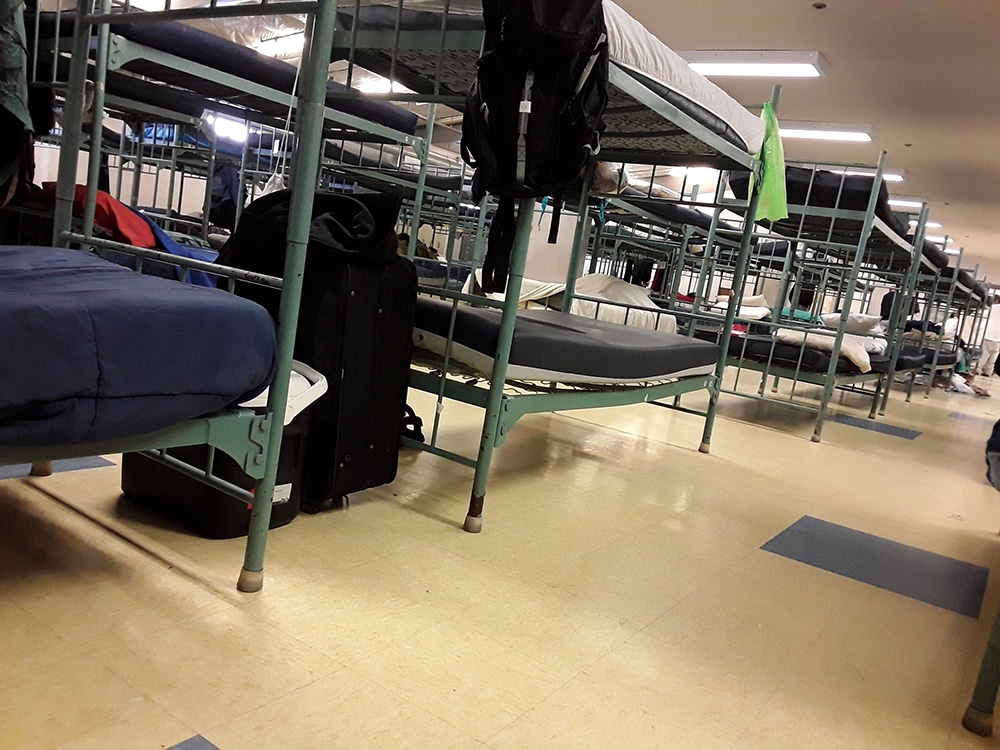
Bunk beds in a homeless shelter are easy targets for bed bugs
Bed bugs thrive wherever people sleep. In homeless shelters and crisis accommodation, the risk climbs because:
- High turnover means new introductions can happen regularly, even if the shelter is doing everything “right”.
- Shared rooms and shared walls make spread easier, especially when sleeping spaces are close together.
- Donated mattresses, bedding, and furniture can unintentionally bring bed bugs in.
- Limited downtime makes it hard to close rooms long enough for thorough treatment and follow-up.
- Storage constraints mean personal items are often kept close to sleeping areas, which bed bugs love.
It’s not about cleanliness. That belief is one of the most damaging myths in this space. Bed bugs are hitchhikers. They follow people, bags, clothing, bedding, and furniture, not “dirt”.
How Bed Bug Infestations Affect the Health, Dignity, and Sleep of Shelter Residents
On paper, bed bugs might sound like a nuisance. In real life, especially in homelessness settings, they can be brutal.
- Sleep disruption is common, and poor sleep makes everything harder: mental health, decision-making, physical recovery, daily functioning.
- Skin reactions vary widely. Some people react strongly, others barely react at all, which creates confusion and doubt.
- Stigma is often worse than the bites. People may feel ashamed, blamed, or “unclean”, even when they did nothing wrong.
- Fear of being moved on can stop residents from reporting early signs, which is when intervention is most effective.
For staff and services, there’s the added pressure of maintaining a safe workplace, preventing spread across rooms, and keeping the public’s trust. Nobody wants a headline, but nobody wants to quietly accept ongoing harm either.
The Limitations of Chemical Bed Bug Treatments in Homeless Shelters
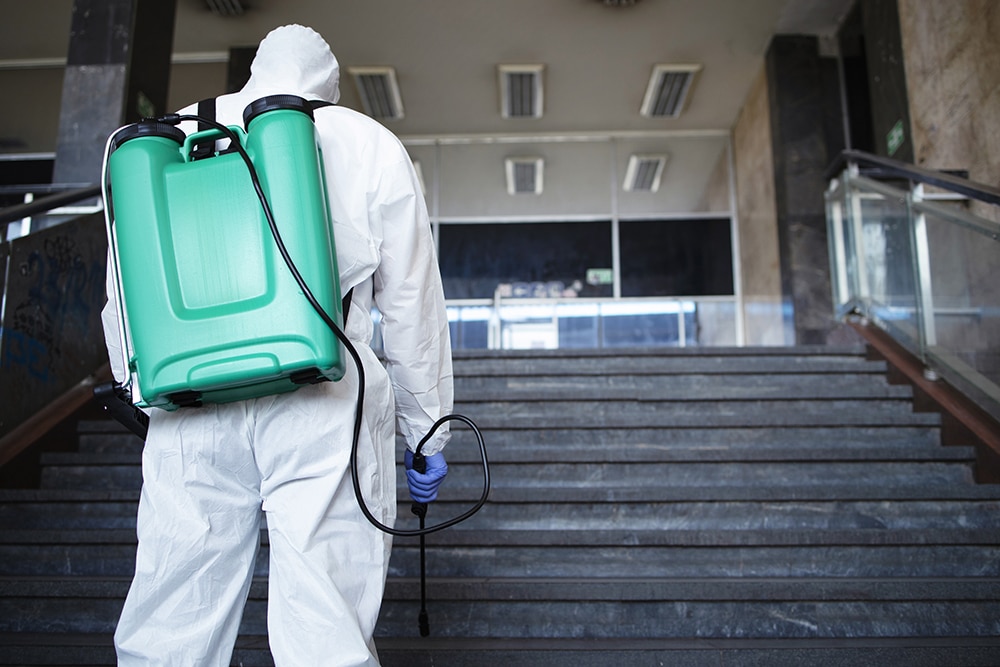
Chemical bed bug sprays in homeless shelters are toxic
Professional pest control can be useful, but shelters often hit the same barriers again and again.
- Room closures and re-entry times can be difficult to manage in fully occupied services.
- Repeat call-outs are often needed because bed bug eggs may survive initial treatments, and reintroductions can occur.
- Operational disruption is real: relocating residents, moving bedding, clearing rooms, and managing complaints.
- Practical exposure concerns may arise in spaces with children, pregnant people, people with respiratory sensitivity, and staff who are repeatedly present.
- Insecticide resistance is a known issue in bed bugs, which can reduce effectiveness of some chemical approaches over time.
None of this means “never use chemicals”. It means chemicals alone, without containment and systems, often turn into a cycle: treat, reopen, reappear, repeat.
Bed Bug Bites in Australia: How to Find, Treat and Prevent Bed Bugs Fast
Practical Bed Bug Management Strategies for Shelters With Limited Budgets
This is the part that matters. What actually works when you can’t shut down a whole facility and you still have to keep people safe tonight.
In active shelter environments, the most reliable results usually come from a system rather than a single treatment. A practical program combines immediate control with longer-term containment. Not because it’s complex, but because it limits how far bed bugs can travel and reduces the chance of them spreading from the sleeping area into the rest of the building.
This approach is often referred to as an isolation method. The idea is simple: instead of trying to treat an entire facility at once, you focus on isolating the bed and interrupting the pathways bed bugs use to reach people.
1) Prioritise containment at the bed first
If you can reduce bed bug movement to and from the bed, you reduce bites, reduce spread, and make monitoring far more manageable. In shelter settings, the “bed zone” is the most strategic place to start. Bed bugs are not random wanderers. They follow predictable routes from hiding places toward a sleeping host. Containment at the bed takes advantage of this behaviour and turns the sleeping area into a controlled zone rather than a source of ongoing spread.
2) Use steam for immediate control in high-risk areas
Steam is one of the most effective tools for immediate control. When applied correctly, it can kill bed bugs and eggs on contact without leaving chemical residues behind.
Steam is particularly useful for:
- Mattress seams and piping
- Bed frames and joints
- Cracks, crevices, and screw holes
- Edges of skirting boards near beds
This makes steam well suited to shelters, where rooms are often occupied continuously and fast response is needed.
3) Protect the mattress and simplify inspection
Encasing mattresses helps in two important ways. First, it prevents bed bugs from entering or remaining hidden inside the mattress. Second, it makes inspection much easier, as there are fewer seams and hiding places to check.
From a budget perspective, mattress protection can also reduce unnecessary disposal. Replacing mattresses is costly, and without a containment strategy, new mattresses can quickly become infested as well.
4) Isolate the sleeping area using physical barriers
Isolation does not need to be complicated or disruptive. The goal is simply to interrupt the path bed bugs use to reach the bed.
Floor barriers placed under bed legs can help trap or intercept bed bugs as they move between the floor and the sleeping surface. When combined with mattress protection and basic room layout adjustments, this creates a defined sleeping zone that is easier to manage and monitor.
This type of physical isolation reduces reliance on repeated chemical treatments and allows staff to focus efforts where they have the greatest impact.
5) Use Diatomaceous Earth (DE) for long-term containment
Diatomaceous Earth (DE) is often used as part of longer-term bed bug containment strategies. Applied correctly in targeted areas such as bed frames, cracks, and barrier zones, DE can help control bed bugs over time as they move through treated pathways.
Because DE works mechanically rather than chemically, it is often used where ongoing protection is needed, particularly in environments where repeated reintroductions are likely.
As with any control method, DE should be used according to relevant guidelines and in a way that minimises unnecessary
Learn More About The Isolation method
Reducing the Risk of Bed Bugs Spreading Between Shelters, Staff, and the Community

Hot wash clothing to prevent the spread of bed bugs
Councils and service providers often worry about “spread”, and not unreasonably. Staff take public transport, volunteers move between sites, residents relocate between services, and the same few emergency options get reused.
Risk reduction is usually more achievable than “total elimination everywhere”.
Here are practical steps that don’t rely on panic:
- Site-level protocols so every staff member knows what to do when a report comes in.
- Bagging and handling procedures for bedding and clothing (especially during laundry transfer).
- Hot washing and hot drying when available, since heat is one of the most reliable bed bug killers.
- Separation of clean and potentially exposed items during changeovers.
- Targeted focus on the sleeping zone so you are not trying to treat an entire building like it’s a single bedroom.
For councils and housing organisations, the biggest wins often come from consistent funding for a basic kit of tools and training, plus a standardised process across sites. When each service invents their own approach, the learning curve resets every time staff change.
How To Prevent Bed Bugs At Home
What Councils and Housing Providers Can Do Without Shutting Services Down
If you’re in policy, procurement, or housing management, you’re probably trying to balance three competing truths:
- People need a safe place to sleep tonight.
- Bed bugs create real harm and operational risk.
- Budgets and staffing are not infinite.
Practical, council-friendly actions tend to look like this:
- Standard operating procedures for identification, response, and follow-up, written in plain language.
- Training for frontline staff on what to look for (spots, cast skins, harbourage sites) and how to respond calmly.
- Funding a layered approach that includes immediate control (like steam), mattress protection, and monitoring.
- Reducing churn caused by fear by supporting services to respond quickly without displacing residents.
- Procurement guidelines that avoid high-risk second-hand soft furnishings unless there is treatment capacity.
It’s tempting to chase a single “silver bullet”. But in shelters, it’s almost always the system that works, not the one-off treatment.
FAQ: Bed Bugs In Homeless Shelters
Are bed bugs in homeless shelters caused by poor hygiene?
No. Bed bugs are not attracted to dirt or poor hygiene. They are attracted to people (body heat and carbon dioxide) and they spread by hitchhiking on belongings, bedding, clothing, and furniture.
What is the fastest way to reduce bites for residents?
Start at the sleeping area. Reducing bed bug access to the bed, using steam for immediate knockdown in known hiding spots, and protecting the mattress can reduce biting pressure quickly while longer-term measures are put in place.
Do chemical sprays solve bed bugs in shelters?
Sometimes they help, but sprays alone often struggle in active shelters due to reintroductions, the need for repeat treatments, and operational disruption. A layered program that includes containment, monitoring, and immediate control methods is usually more reliable.
How can staff avoid taking bed bugs home?
Have clear site protocols. Reduce exposure by focusing control measures in sleeping zones, use safe handling and bagging processes for bedding, and support regular monitoring so problems are identified early rather than after widespread spread.
Should shelters throw out mattresses and furniture if bed bugs are found?
Not always. Blanket disposal can be expensive and can create service disruption. In many cases, mattress protection and targeted treatment can be more practical. Disposal decisions should be based on condition, level of infestation, and the shelter’s treatment capacity.
Watch Our DIY Videos: How To Control Bed Bugs In Homeless Shelters
Are you looking for an organic DIY treatment? These step-by-step videos show you exactly how to use the Isolation Method on different types of beds.
For an Ensemble Bed
For a Bed with Slats
If you’ve enjoyed our blog, Bed Bugs In Homeless Shelters, then you might also like to read about smells bed bugs hate.
Sources: Bed Bugs In Homeless Shelters
Centers for Disease Control and Prevention (CDC) – Bed Bugs
U.S. Environmental Protection Agency (EPA) – Bed Bug Information
Australian Institute of Health and Welfare (AIHW) – Homelessness and Housing

Tony pioneered a non-toxic, eco-friendly solution for bedbug infestations. His innovation won the ABC TV show “The New Inventors” in 2009. In 2012, he successfully registered Diatomaceous Earth for bedbug control in Australia.





Leave a Reply