



In the article
Last Updated on 16/12/2025 by Tony Abrahams
TL;DR: How to Control Bed Bugs in Community Housing
- Bed bugs spread fast in community housing due to shared walls, furniture, and frequent tenant movement.
- Chemical treatments often fail because they require perfect preparation and multiple visits.
- The Bed Bug Barrier Isolation Method offers instant protection and long-term control without chemicals.
- It isolates the bed, kills every bed bug in the room over time, and stays effective for years with one setup.
What Is Community Housing?
Bed bugs in community housing are very common
Community housing provides safe, affordable homes for people who might otherwise struggle to secure one, often low-income families, people with disabilities, or those moving on from homelessness. It’s usually managed by not-for-profit organisations, with an emphasis on stability and dignity rather than profit.
But there’s a hidden challenge that affects nearly every housing provider at some point – bed bugs. In a setting where residents live close together and turnover is high, these tiny hitchhikers can move freely between units and spread faster than most realise.
Why Bed Bugs Are a Big Issue in Community Housing
Bed bugs don’t care where you live, how clean you are, or how new the building is. They survive by feeding on blood, not crumbs or clutter, which means they can thrive anywhere people sleep.
Once inside, they hide in mattress seams, bed frames, electrical outlets, even behind light switches. By the time bites appear, they’ve usually spread far beyond the original room.
- They travel easily – through walls, power points, or on clothes and furniture.
- They breed quickly – one female can lay hundreds of eggs in her lifetime.
- They’re resistant to sprays – modern bed bugs are largely immune to common insecticides.
That’s why bed bug outbreaks in community housing can drag on for months or even years, and cost thousands of dollars in treatments that often fail. Many housing providers spend anywhere from $300 to $700 per room, per visit on chemical sprays, only to see the bugs return weeks later. It’s not just expensive, it’s exhausting for residents and staff alike.
Why Bed Bugs Are So Hard to Treat in Community Housing
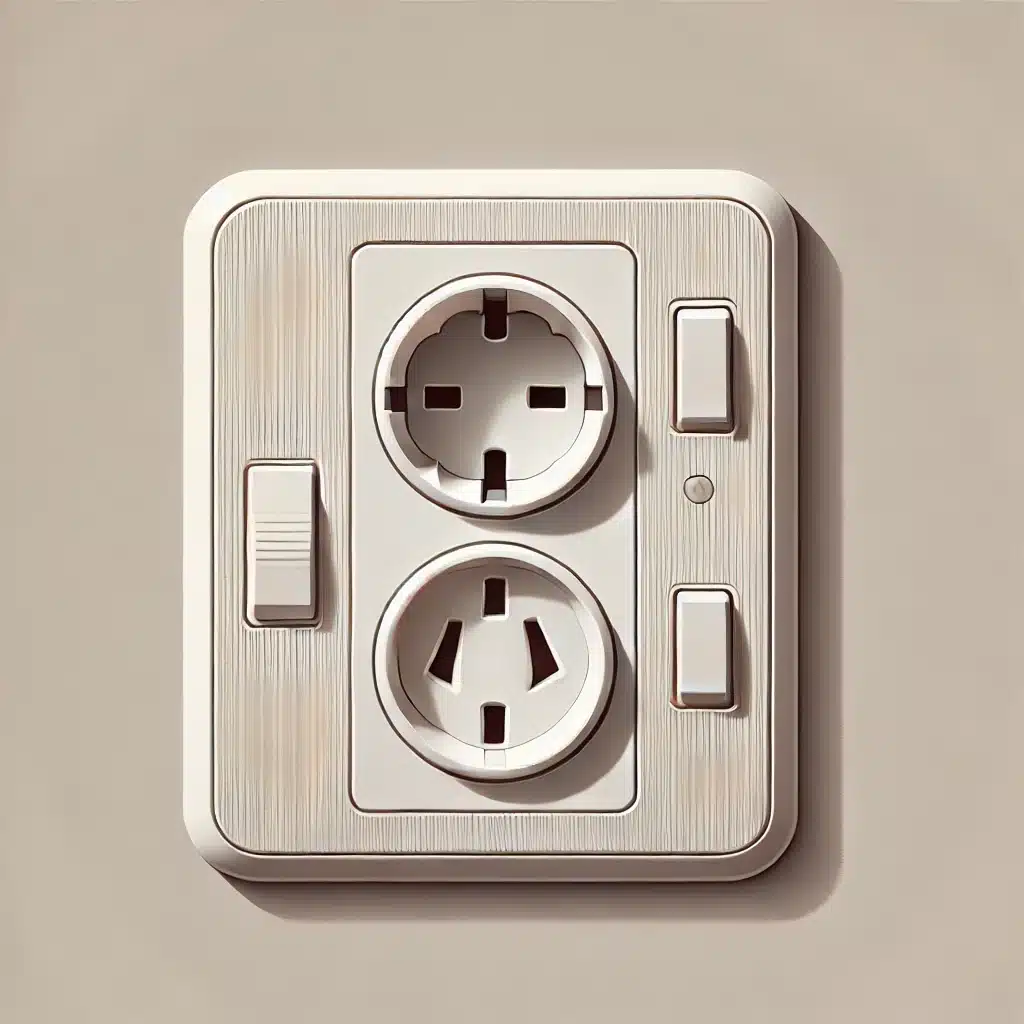
Bed bugs can travel through power points from neighbours.
Treating a single infested unit is challenging enough, but in community housing, it’s rarely just one. Bed bugs spread between apartments faster than they can be chemically treated. Here’s why most control efforts fail:
- High tenant turnover: New residents may unknowingly bring bed bugs with them from previous housing or shelters.
- Shared infrastructure: Bed bugs move through cracks, conduits, and ventilation systems into neighbouring units.
- Limited budgets: Professional pest control is costly and often requires multiple visits, which can drain housing providers’ resources.
- Preparation difficulties: Residents are often asked to empty rooms, wash all clothes, and move furniture, which may not be possible for elderly or disabled tenants.
- Reinfestation risk: If one unit remains untreated, bed bugs can crawl back in weeks later.
The result? Endless cycles of spraying, frustration, and wasted money, without solving the root problem.
The Human Cost of Bed Bugs
Beyond the bites and itching, bed bugs take a real toll on people’s mental health. The shame, sleeplessness, and anxiety they cause can lead to isolation and emotional exhaustion. Some tenants are afraid to report infestations for fear of stigma. Others throw away furniture they can’t afford to replace.
Bed bugs might not spread disease, but they absolutely damage wellbeing.
Bed Bug Bites in Australia: How to Find, Treat and Prevent Bed Bugs Fast
Breaking the Cycle: A Smarter, Safer Approach
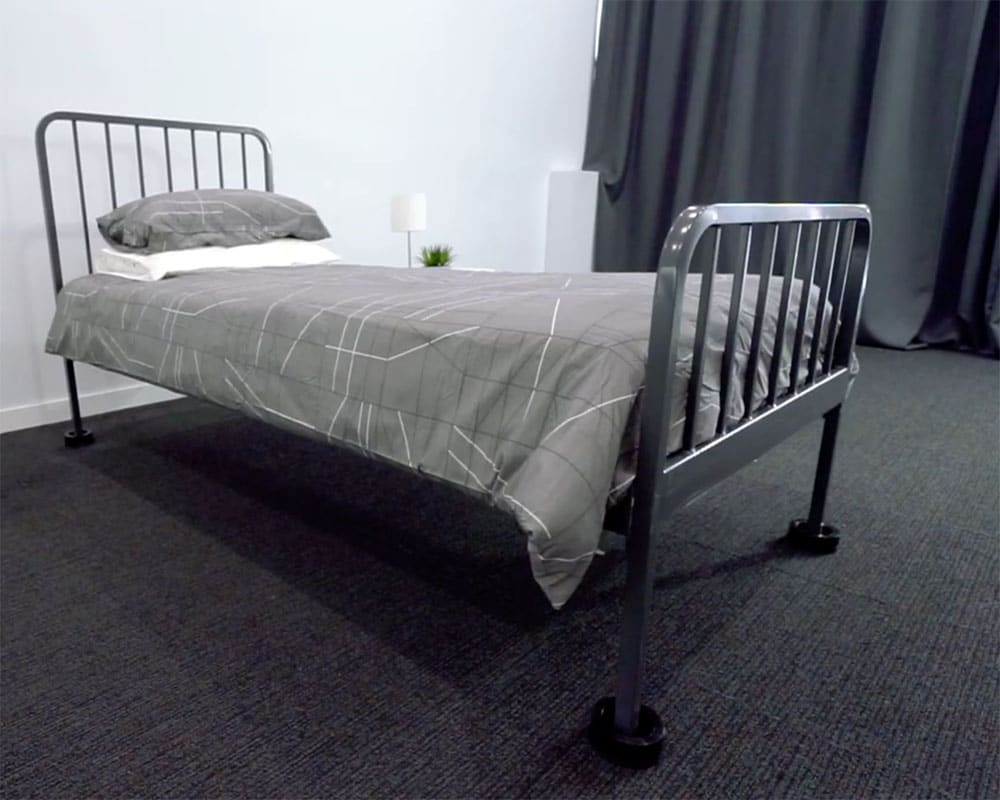
Control Bed Bugs with the Isolation Method
The only way to truly get ahead of bed bugs in community housing is with a solution that’s simple, affordable, and sustainable, something that doesn’t depend on chemical sprays or perfect housekeeping.
That’s where the Bed Bug Barrier Isolation Method makes a difference.
- Steam-kill instantly: Use a handheld steamer to kill live bed bugs and eggs on contact.
- Seal your mattress: Fit a Bed Bug Proof Mattress Cover to trap any remaining bugs inside so they can’t escape or bite again.
- Dust for long-term protection: Apply Diatomaceous Earth (DE) on the bed frame and inside Floor Barriers under each bed leg.
- Isolate the bed: Move it at least 30 cm from walls and furniture so bed bugs must cross the barriers to reach you, and die trying.
This method doesn’t rely on expensive chemicals or multiple visits. Once installed, the bed becomes a safe zone that same night, and every bed bug in the room is eventually eliminated as it tries to reach the host.
Why It Works for Community Housing
- No repeated visits – a single setup offers ongoing protection.
- No harsh chemicals – safe for residents, pets, and staff.
- Low cost – each unit can be treated for a fraction of pest control prices.
- Easy to maintain – once barriers and covers are in place, they keep killing for years.
By using the Floor Barrier with Diatomaceous Earth (DE), every bed bug in the room is treated within seconds of setup. The powder works 24/7, killing bed bugs as they try to reach the bed, all at a low cost, without the need for repeated chemical treatments or disruptive room preparations.
That’s why more community housing organisations across Australia are turning to non-toxic, DIY systems. They’re simple, effective, and – most importantly – they work in the real world, not just on paper.
Real Results in the Field
“Hi Tony, everything has worked amazingly so far! It looks like this system is going to be an absolute game-changer for our organisation.
We get them periodically at our properties here in St Kilda, but we have one property in particular with 19 units where we have been struggling for literally the last couple of years to eradicate the creatures. We’ve spent thousands on chemical treatments through pest control companies and we have never been able to get rid of them.
I am starting treatment with your system there next week and I’m finally feeling confident of a good result.
Thanks heaps,
Senior Housing Worker
Community Housing
Sophia’s story isn’t unique. Many community housing providers face the same uphill battle, until they find a method that actually works long-term. The Bed Bug Barrier Isolation System gives them back control, peace of mind, and thousands in savings per property.
Frequently Asked Questions: Bed Bugs In Community Housing
1. Can bed bugs spread between community housing units?
Yes. Bed bugs often move between adjoining units through cracks in walls, shared plumbing, and even electrical outlets. They can also hitchhike on clothing, furniture, or maintenance equipment. That’s why treating just one unit rarely solves the problem — every connected room needs attention or isolation.
2. Why don’t chemical sprays work long term in community housing?
Chemical sprays can kill visible bugs, but most bed bugs hide deep in crevices and only come out at night. Many strains are also resistant to modern insecticides. In community housing, it’s nearly impossible to prepare every room perfectly for spraying, so the bugs keep coming back. A physical barrier system with Diatomaceous Earth offers a more lasting solution.
3. How can housing providers prevent future infestations?
Prevention starts with isolating beds, using mattress covers, and installing barriers under bed legs so bed bugs can’t reach sleeping areas. Regular inspections, resident education, and a simple one-time application of Diatomaceous Earth on bed frames help ensure any reintroduced bugs die before they can spread.
Partner With Us
If you manage community or social housing and are tired of wasting money on short-term pest control treatments, we can help. The Bed Bug Barrier Isolation Method has already helped organisations like St Kilda Community Housing regain control — safely, affordably, and without disruption to residents.
For free expert advice, staff training, or bulk pricing on bed bug prevention systems, contact our team today. We’re happy to provide guidance, product recommendations, and support to housing providers anywhere in Australia.
Apply once. Sleep safely that night. Stay protected for years.
Watch Our DIY Videos: Control Bed Bugs In Community Housing With The Isolation Method
Are you looking for an organic DIY treatment? These step-by-step videos show you exactly how to use the Isolation Method on different types of beds.
For an Ensemble Bed
For a Bed with Slats
If you found our blog on bed bugs in community housing helpful, you might also enjoy our post about Bed Bug Sprays at Woolworths.
More Resources
Sources: Bed Bugs In Community Housing
- AEPMA — Industry Code of Best Practice for the Control of Bed Bug Infestations in Australia (PDF)
- Wang et al. — Evaluation of diatomaceous earth dust–based IPM vs. spray-based IPM in low-income apartments (Journal of Medical Entomology) (PDF)
- Rutgers Cooperative Extension — Bed bug research (incl. steam + diatomaceous earth efficacy, 2024)

Tony pioneered a non-toxic, eco-friendly solution for bedbug infestations. His innovation won the ABC TV show “The New Inventors” in 2009. In 2012, he successfully registered Diatomaceous Earth for bedbug control in Australia.




Leave a Reply