


In the article
Last Updated on 03/11/2025 by Tony Abrahams
TL;DR: Are Bed Bugs Dangerous?
- Bed bugs don’t transmit diseases in real-world conditions, but they’re far from harmless.
- The danger lies in their bites, allergic reactions, secondary infections, and the stress and sleeplessness they cause.
- They can carry over 40 known pathogens, but there’s no confirmed case of disease transmission to humans.
- Children, elderly, and those with skin conditions or weakened immune systems are more at risk.
- The psychological toll; anxiety, insomnia, embarrassment, can be just as damaging as the bites.
- Eco-friendly, non-toxic systems like the Bed Bug Barrier Isolation Method stop bed bugs instantly and protect your home long-term.
So, are bed bugs dangerous? Not in the traditional disease-spreading way, but physically, mentally, financially and emotionally, they can cause real harm if left untreated.
What Exactly Are Bed Bugs?
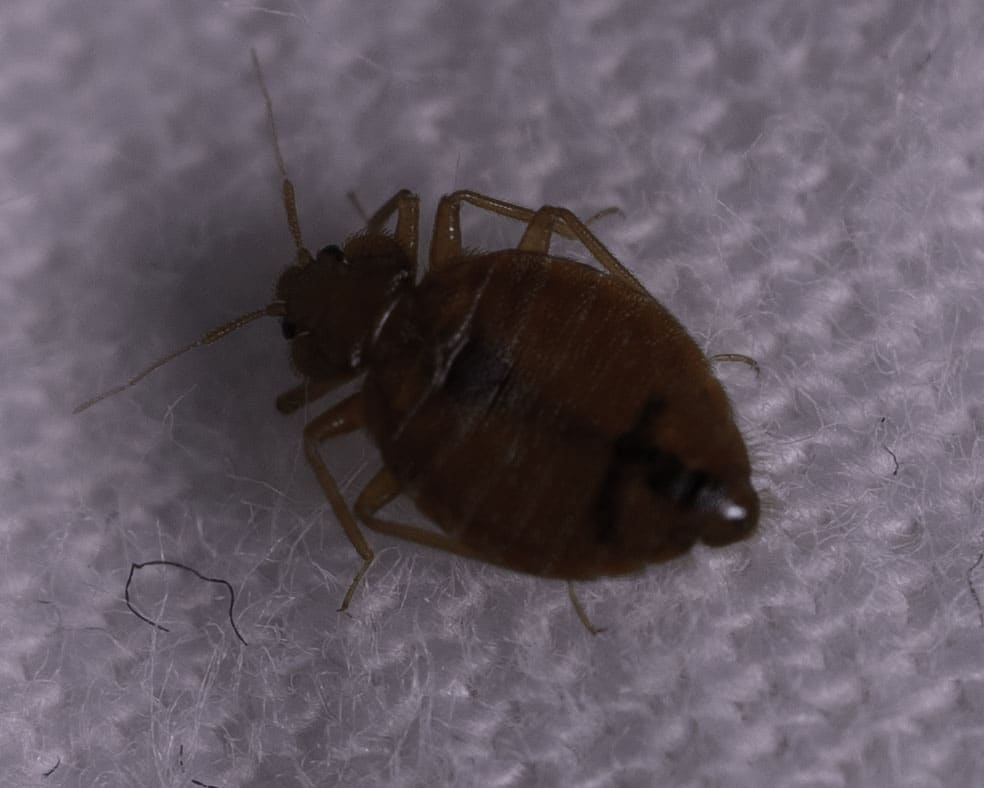
Bed Bug On Sheet
Bed bugs are small, flat, reddish-brown insects that feed exclusively on blood, usually at night when you’re asleep. They’re masters of hiding, tucking themselves into mattress seams, headboards, furniture joints, and even behind skirting boards or picture frames.
The two main culprits are Cimex lectularius (common bed bug) and Cimex hemipterus (tropical bed bug). They can survive months without a meal and are incredibly resilient, which is why infestations can last years if not handled properly.
They’re not drawn to dirt or clutter, just to you. That’s why even spotless homes, hotels, and hospitals aren’t immune. They simply hitchhike on luggage, clothing, or second-hand furniture until they find a warm body to feed on.
Physical Effects: Bites, Allergic Reactions, and Infections
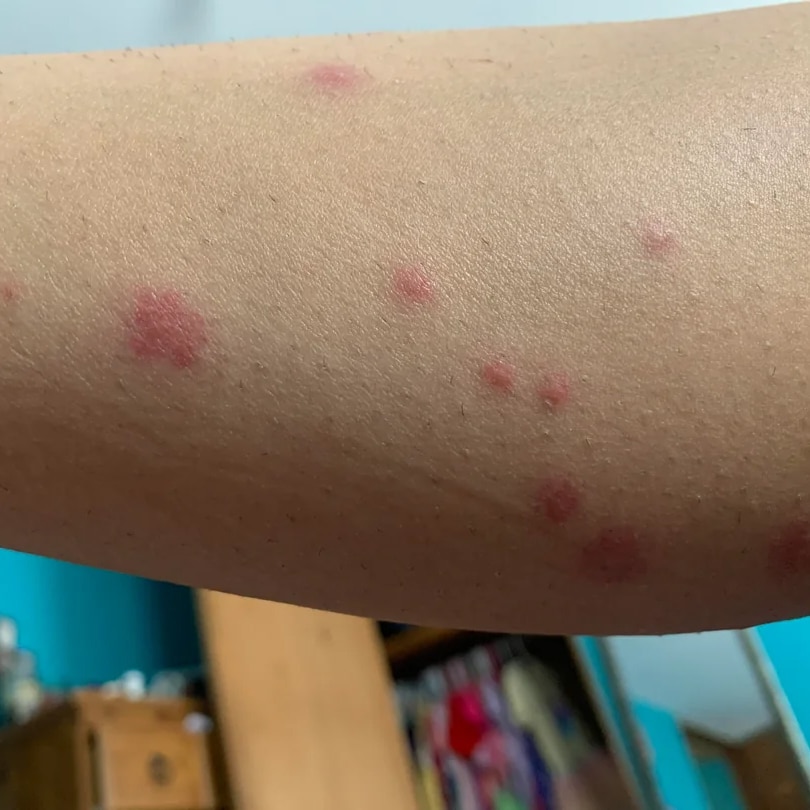
Bed Bug Bites on Arm
When bed bugs feed, they inject an anaesthetic and anticoagulant to stop you feeling the bite, sneaky, right? The result can be small, itchy red welts that appear in clusters or lines, often on exposed skin like your arms, legs, and neck.
- Allergic Reactions: Some people have stronger immune responses, with swelling, blisters, or hives. Rarely, extreme allergic reactions can occur.
- Secondary Infections: Repeated scratching can break the skin and allow bacteria like Staphylococcus aureus or Streptococcus to enter, leading to impetigo or cellulitis.
- Anaemia: In very severe infestations (especially in children or the elderly), blood loss over time may cause mild anaemia.
- Scarring: Persistent scratching or hypersensitive skin can leave marks, pigmentation changes, or scars long after the bugs are gone.
So while bed bugs won’t poison you, their bites can lead to genuine medical issues, and plenty of sleepless nights.
Bed Bug Bites in Australia: How to Find, Treat and Prevent Bed Bugs Fast
Can Bed Bugs Spread Diseases?
This is one of the biggest misconceptions. Scientists have found that bed bugs can carry pathogens, but there’s no evidence they actually transmit them to humans through bites.
Studies have detected over 40 microorganisms in bed bugs, including hepatitis B, HIV, and MRSA — but none have been shown to infect humans via bed bug bites.
In lab settings, bed bugs have been shown to carry Trypanosoma cruzi, the parasite responsible for Chagas disease. But in real-world conditions, transmission simply doesn’t occur. Their physiology, saliva chemistry, and feeding behaviour all act as barriers.
Bottom line: bed bugs are annoying and unhygienic, but they’re not proven disease vectors like mosquitoes or ticks. Still, they can create the conditions for infections to develop through scratching and poor sleep, which indirectly affects your health.
The Psychological and Emotional Toll

Bed bugs aren’t dangerous, but they can be extremely stressful.
If you’ve ever dealt with bed bugs, you already know — the mental strain can be worse than the bites themselves.
- Sleep Deprivation: The fear of being bitten can keep you awake for nights on end.
- Anxiety and Stress: People often describe feeling violated or ashamed, even though bed bugs have nothing to do with cleanliness.
- Social Isolation: Some avoid visitors or sleepovers out of fear of spreading bugs or being judged.
- Long-term Impact: Studies have linked infestations to increased risk of insomnia, depression, and even PTSD-like symptoms in severe cases.
So while they may not make you sick in the medical sense, they can take a serious toll on your quality of life and emotional wellbeing.
Who’s Most at Risk from Bed Bugs?

People with allergies to bed bug bites are at a higher risk of severe reactions.
Bed bugs don’t discriminate, but some people suffer more than others:
- Children and the elderly: Their skin is thinner, and they may be less able to resist infection or blood loss.
- People with allergies or eczema: They’re prone to stronger reactions and infections from scratching.
- Immunocompromised individuals: Those with weakened immune systems heal slower and face higher infection risks.
- Tenants in multi-unit housing: Apartments and hotels are ideal for spreading infestations between rooms and neighbours.
If you fall into any of these groups, early detection and non-toxic treatment methods are especially important.
How to Protect Yourself (Without Harsh Chemicals)
Here’s the good news — you don’t need to spray toxic pesticides or throw out your furniture. Our Bed Bug Barrier Isolation Method works differently. It combines instant and long-term protection using steam, Diatomaceous Earth (DE), and physical barriers to isolate and kill every bed bug in the room.
- Steam-kill instantly: Use a steamer to kill visible bed bugs and eggs on your bed frame, mattress seams, and cracks.
- Dust the bed frame with DE: After steaming, lightly dust the entire bed frame with Diatomaceous Earth (DE). This creates a long-term kill zone that continues to eliminate bed bugs for years as they crawl across it.
- Seal your mattress: Fit a Bed Bug Proof Mattress Cover to trap any existing bugs inside and stop new ones from nesting in your mattress.
- Install barriers: Place Floor Barriers under each bed leg, adding a small amount of DE powder inside each tray. Bed bugs must cross this powder to reach you — and that’s what kills them.
- Keep the bed isolated: Move it at least 30cm from walls, curtains, and furniture. This forces bed bugs to approach only through your barriers, turning your bed into a completely safe zone.
That’s it. You only need to wash your bed linen, not every piece of clothing or curtain in the room. This saves you hours of work and hundreds of dollars in unnecessary cleaning.
This one-time setup gives you instant protection and long-term peace of mind. You can sleep safely that same night knowing bed bugs can’t reach you, and within weeks, every bug in the room will be dead after crossing the powder.
Final Thoughts: Are Bed Bugs Dangerous
So, are bed bugs dangerous? In one word — yes, but not how most people think.
They don’t spread deadly diseases, but they can still harm your body, your mind, and your sleep. Their bites can trigger allergic reactions, infections, and stress that spirals into exhaustion and anxiety.
The real danger is underestimating them. A small problem can quickly turn into a nightmare if ignored. Luckily, the solution doesn’t need to be toxic, expensive, or complicated. With our proven eco-friendly isolation system, you can protect your bed tonight and eliminate every bed bug in the room for good.
Learn more: How to Get Rid of Bed Bugs the Safe, DIY Way
FAQ: Are Bed Bugs Dangerous To Humans
- Can bed bugs make you sick?
Not directly. Bed bugs don’t spread diseases like mosquitoes or ticks, but their bites can cause allergic reactions, skin infections from scratching, and even mild anaemia in severe infestations. The stress and sleep loss they cause can also weaken your immune system over time. - Are bed bugs dangerous to pets?
Not usually. Bed bugs prefer human blood, but in heavy infestations, they might bite dogs or cats if humans aren’t available. The bigger issue is that your pet’s bedding can become a hiding spot, so it’s important to treat their beds and sleeping areas too. - What’s the safest way to get rid of bed bugs?
Skip the harsh chemicals — they rarely solve the problem. The safest and most effective approach is a non-toxic isolation system: steam your bed, seal your mattress, and install barriers under each bed leg with Diatomaceous Earth (DE) inside. This setup kills bed bugs naturally and protects your bed instantly.
Watch Our DIY Videos: Control Bed Bugs With The Isolation Method
Are you looking for a safe, organic DIY treatment?
These step-by-step videos show you exactly how to use the Isolation Method on different types of beds.
For an Ensemble Bed
For a Bed with Slats
If you’ve enjoyed our blog, Are Bed Bugs Dangerous? then you might also like to read about the Bed Bug Isolation Method.
Sources: Are Bed Bugs Dangerous?
- U.S. Environmental Protection Agency (EPA) – Bed Bugs: A Public Health Issue
The EPA notes that bed bug bites can cause allergic reactions in some people, ranging from mild irritation to severe skin responses. - Centers for Disease Control and Prevention (CDC) – Bed Bugs FAQ
The CDC confirms that some people experience allergic reactions to bed bug bites, including itching, swelling, and secondary infections from scratching. - National Health Service (NHS) – Bedbugs
The NHS states that while bed bugs aren’t dangerous, their bites can cause allergic skin reactions in some individuals.

Tony pioneered a non-toxic, eco-friendly solution for bedbug infestations. His innovation won the ABC TV show “The New Inventors” in 2009. In 2012, he successfully registered Diatomaceous Earth for bedbug control in Australia.





Leave a Reply