


In the article
Last Updated on 31/12/2025 by Tony Abrahams
Dust mites are incredibly small creatures that quietly move into our homes, especially bedrooms and living areas. They thrive in warmth and humidity, feeding on the dead skin cells we shed every day. On their own they are not dangerous, but for a lot of people the proteins in their bodies and droppings can trigger strong allergy symptoms.
What Is A Dust Mite?
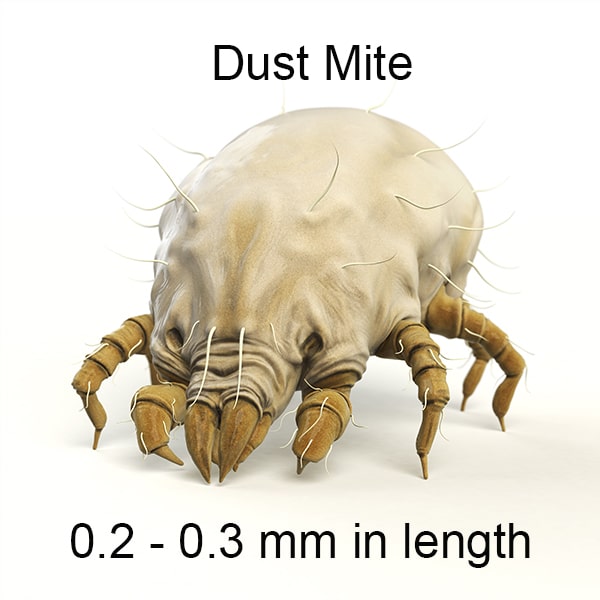
Dust mites are microscopic arachnids, not insects. That means they are more closely related to spiders and ticks than to ants or cockroaches. Each dust mite has eight legs and a rounded, slightly segmented body that helps them move through fibres and dust.
They feed mainly on tiny flakes of dead skin from people and pets. A typical adult sheds hundreds of thousands of skin cells a day, which fall into mattresses, pillows, carpets and soft furnishings. For dust mites, that is an endless buffet.
Dust mites do best in warm, humid environments. They prefer:
- Relative humidity above 50 percent
- Temperatures between about 20 °C and 25 °C
- Soft, fibrous materials like mattresses, quilts, pillows, carpets and sofas
This is why bedrooms and living rooms are the main hot spots. Anywhere people sit or sleep for long periods is a prime breeding ground for dust mites.
What Do Dust Mites Look Like?
A microscopic view of a dust mite, the tiny arachnid responsible for many indoor allergies
So what do dust mites actually look like? The short answer is that they are too small to see clearly without magnification. Adult dust mites are usually around 0.2 to 0.3 millimetres long.
Under a microscope, dust mites appear:
- Colour: Creamy white or translucent
- Shape: Oval, with a plump body and a slightly pointed front end
- Legs: Eight short legs that help them crawl through fibres
- Surface: A soft, flexible outer body rather than a hard shell
Because they are so small, dust mites are essentially impossible to see with the naked eye in normal conditions. You might see dust on a surface, but you will not see the individual mites moving around.
Can You See Dust Mites With The Naked Eye?
Many people are surprised to learn that you cannot reliably see dust mites just by looking at your mattress or carpet. At 0.2 to 0.3 millimetres long, they are right on the edge of what the human eye can pick up, and they blend into fibres and dust.
You might notice:
- Fine dust build up on hard surfaces and furniture
- Musty odours in rooms with poor ventilation
- Worse allergy symptoms in bed or on the couch
But you will not see dust mites marching around like ants. That is why people often ask what dust mites look like and assume they must be seeing them. In reality, what you are seeing is dust or other insects, not the mites themselves.
Can Dust Mites Bite?

Dust mites don’t bite, but their allergens can trigger sneezing and other allergy symptoms in bed
Even though dust mites are related to spiders and ticks, house dust mites do not bite humans. They do not have the mouthparts needed to bite or pierce skin. Instead, they feed on shed skin cells and other organic debris.
The problem is not bites. It is the allergens they leave behind. Dust mites produce waste pellets and shed their outer skins as they grow. These tiny particles contain proteins that can trigger allergic reactions in sensitive people.
For people with dust mite allergies, exposure can lead to:
- Frequent sneezing
- Runny or blocked nose
- Itchy, watery or red eyes
- Coughing or wheezing
- Worsening asthma symptoms
- Worsening eczema for some people
So if you are getting red, obvious bite marks, that is more likely to be bed bugs, fleas or mosquitoes, not dust mites.
Signs And Symptoms Of Dust Mites In Your Home
Because you cannot see them, the easiest way to work out if you have a dust mite problem is to look at the pattern of symptoms and where they happen.
Common signs of dust mites include:
- Allergy symptoms that are worse at night or first thing in the morning
- Sneezing or congestion when you lie in bed or sit on upholstered furniture
- Itchy or watery eyes in the bedroom or lounge room
- Coughing or wheezing that improves when you leave the house
- Eczema flares where skin touches bedding or pillows
Typical dust mite hot spots are:
- Mattresses and mattress toppers
- Pillows and quilts
- Carpets and rugs
- Fabric sofas, armchairs and cushions
- Soft toys and fabric storage items
If symptoms get worse after vacuuming, dusting or stripping the bed, that can also be a sign. Those activities disturb dust mite allergens and send them into the air where they are more easily inhaled.
What Kills Dust Mites Instantly?
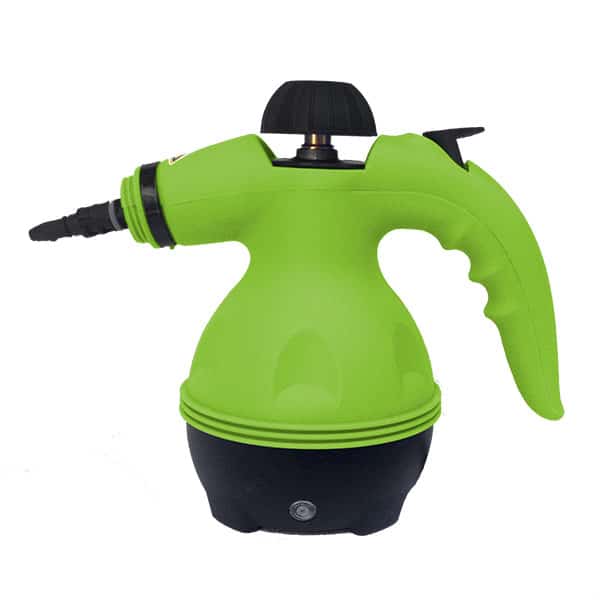
Use a handheld steamer to kill bed bugs and their eggs instantly without chemicals
Once you know what dust mites look like and where they live, the next question is simple: how do you get rid of them?
One of the most effective tools for fast control is a dust mite steamer. Steam treatment uses high temperatures to kill dust mites and their eggs on contact, without leaving chemical residues behind.
Why steam works so well:
- Dust mites are small, soft bodied arthropods that cannot survive sudden high heat
- Steam penetrates deep into fabrics where mites hide
- It also helps break down and lift allergens like droppings from surfaces
Several clinical studies have shown that steam can significantly reduce live dust mite numbers and lower allergen levels in carpets and bedding by targeting allergens such as Der p1, one of the major dust mite allergens.
To get the best results with a dust mite steamer, focus on the areas with the most contact and trapped dust:
- Mattress surface, seams, tufts and edges
- Pillows and quilt surfaces
- Soft furnishings like couches and armchairs
- Carpeted areas beside the bed and under furniture
Steam is a powerful first step. To keep dust mites under control long term, it works best combined with dust mite proof covers.
Understanding Dust Mite Allergy And Allergy Solutions
People who are allergic to dust mites have immune systems that overreact to the proteins found in dust mite bodies, droppings and shed skins. The body treats these harmless particles as a threat and releases histamine and other chemicals, leading to allergy symptoms.
Managing dust mite allergy usually needs two parts:
- Symptom relief with antihistamines, nasal sprays, eye drops or asthma medication as advised by your doctor
- Allergen reduction at home by targeting dust mite hot spots in the bedroom and living areas
The second part is where products like steamers and dust mite covers make a real difference. Reducing the allergen load in the environment means your body has less to react to, which often leads to fewer flare ups and better sleep.
Are Dust Mite Covers Effective?
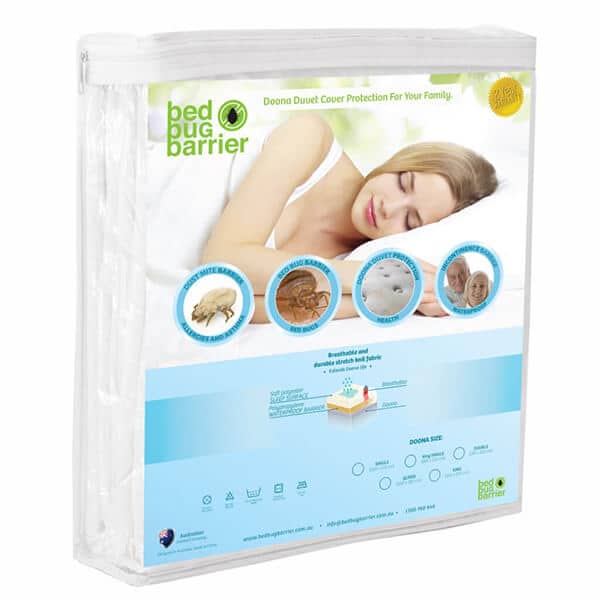
Dust mite covers zip fully around the mattress to block dust mites, droppings, and other allergens
Dust mite covers are one of the simplest and most effective ways to cut your exposure to dust mite allergens, especially in the bedroom where you spend hours every night.
Bed Bug Barrier offers a range of high-quality dust mite covers
Our dust mite covers create a physical barrier between you and the dust mites already living inside your mattress, pillows, quilts, couches, and even your pet’s bed. By sealing allergens inside, you reduce exposure while you sleep and relax, helping to ease allergy and asthma symptoms.
-
Dust Mite Mattress Covers
Your mattress is the main dust mite hotspot in the home. A typical adult can shed around 600,000 skin cells a day. Much of that ends up in the bed, feeding a growing dust mite population deep inside the mattress.
Dust mite mattress covers completely encase the mattress, sealing dust mites and their droppings inside so they can no longer reach you while you sleep.
- Blocks contact with dust mite allergens
- Helps reduce allergy and asthma symptoms at night
- Keeps the mattress cleaner and extends its life
- Easier to wash than a full mattress
-
Dust Mite Quilt Covers
Your quilt or doona can also hold large amounts of dust mites and droppings. The dust mite duvet cover sits between your quilt and the outer cover to create a protective barrier.
It’s ideal for people with allergies or incontinence who want cleaner bedding and less frequent washing.
-
Dust Mite Pillow Covers
Pillows sit directly under your nose and mouth for hours each night, making pillow covers essential for allergy control.
Dust mite pillow covers stop dust mites, germs and allergens escaping from the pillow and affecting your breathing while you sleep.
-
Dust Mite Couch Covers
Couches and lounge suites are another major dust mite hotspot. Our dust mite couch covers fully encase seat cushions, sealing allergens inside so they can’t escape into the air while you relax.
-
Dust Mite Dog Bed Covers
Pets shed skin cells and fur daily, making dog beds a perfect dust mite environment. Our dust mite dog bed covers fully encase your dog’s mattress or cushion, trapping dust mites and allergens inside while keeping the outside easy to clean.
Using mattress, quilt, pillow, couch and dog-bed covers together creates a strong barrier system around the areas where you and your family spend the most time. Combined with regular steam cleaning, it is one of the most effective non-chemical strategies for long-term dust mite control.
Dealing With Dust Mite Problems At Home
Knowing what dust mites look like is a good starting point, but the real goal is to reduce their impact on your health and comfort. That means targeting the environments they love and making your home less friendly to them.
A practical dust mite control plan might include:
- Using a dust mite steamer on mattresses, pillows, quilts and soft furnishings
- Encasing your mattress, pillows and quilt in dust mite proof covers
- Washing bedding regularly in hot water where suitable
- Vacuuming carpets and rugs with a HEPA filter vacuum
- Reducing indoor humidity where possible and improving ventilation
- Minimising heavy clutter and soft items that collect dust in bedrooms
By combining instant control with long term prevention, you can bring dust mite numbers down and keep them down. That is usually what leads to fewer allergy flare ups and better sleep.
Bed Bug Barrier carries a full range of dust mite protection products including steamers, mattress covers, quilt covers and pillow covers. All are designed to give you safe, effective, eco friendly control over dust mites in your home.
FAQs: What Do Dust Mites Look Like
Can you see dust mites?
No. Dust mites are so small that you cannot reliably see them with the naked eye. At around 0.2 to 0.3 millimetres long, they blend into dust and fibres. You usually only see them clearly under a microscope.
What colour are dust mites?
Dust mites are usually creamy white or translucent. Their colour helps them blend in with fabrics and dust, which is another reason they are hard to spot.
Do dust mites bite humans?
Dust mites do not bite. They do not have the mouthparts needed to pierce skin. If you are seeing clear bite marks, it is more likely to be bed bugs, fleas or mosquitoes. Dust mites cause problems through the allergens in their bodies and droppings, not through bites.
What do dust mite allergies feel like?
Dust mite allergy symptoms can include sneezing, runny or blocked nose, itchy or watery eyes, coughing, wheezing and sometimes eczema flare ups. Symptoms are often worse at night or in the morning when you have been in contact with bedding and pillows for several hours.
How do I get rid of dust mites in my mattress?
The most effective approach is to steam the mattress with a dust mite steamer, then fully encase it in a dust mite mattress cover. Steam kills mites and their eggs on contact, while the cover stops remaining allergens from reaching you while you sleep.
If you are ready to reduce dust mites in your home, start with the surfaces that matter most: your mattress, pillows and quilt. With the right combination of steam and dust mite proof covers, you can create a healthier bedroom and breathe easier every night.
How to Protect Your Home Using Dust Mite Covers for Dog Beds and Couches
If you enjoyed our blog What Do Bed Bugs Look Like, you might also like our article on Smells Dust Mites Hate.
Sources: What Do Dust Mites Look Like
Healthdirect Australia – Dust mites
Better Health Channel – House dust mite
National Asthma Council – Dust mites and asthma

Tony pioneered a non-toxic, eco-friendly solution for bedbug infestations. His innovation won the ABC TV show “The New Inventors” in 2009. In 2012, he successfully registered Diatomaceous Earth for bedbug control in Australia.





Leave a Reply