


In the article
Last Updated on 11/08/2025 by Tony Abrahams
There’s a lot of confusion out there when it comes to bed bugs, with bed bug myths often leading to misunderstandings and ineffective treatment. Let’s clear up the most common misconceptions, so you can tackle any infestation with accurate information and confidence.
20 Common Bed Bug Myths
- Bed bugs can fly – Bed bugs cannot fly and they cannot jump. They crawl and hitchhike.
- You can feel bed bugs biting – Most people do not. Bed bugs inject a mild anaesthetic before feeding.
- Bed bugs only bite at night – They prefer darkness, but a hungry bed bug will feed any time there is a host.
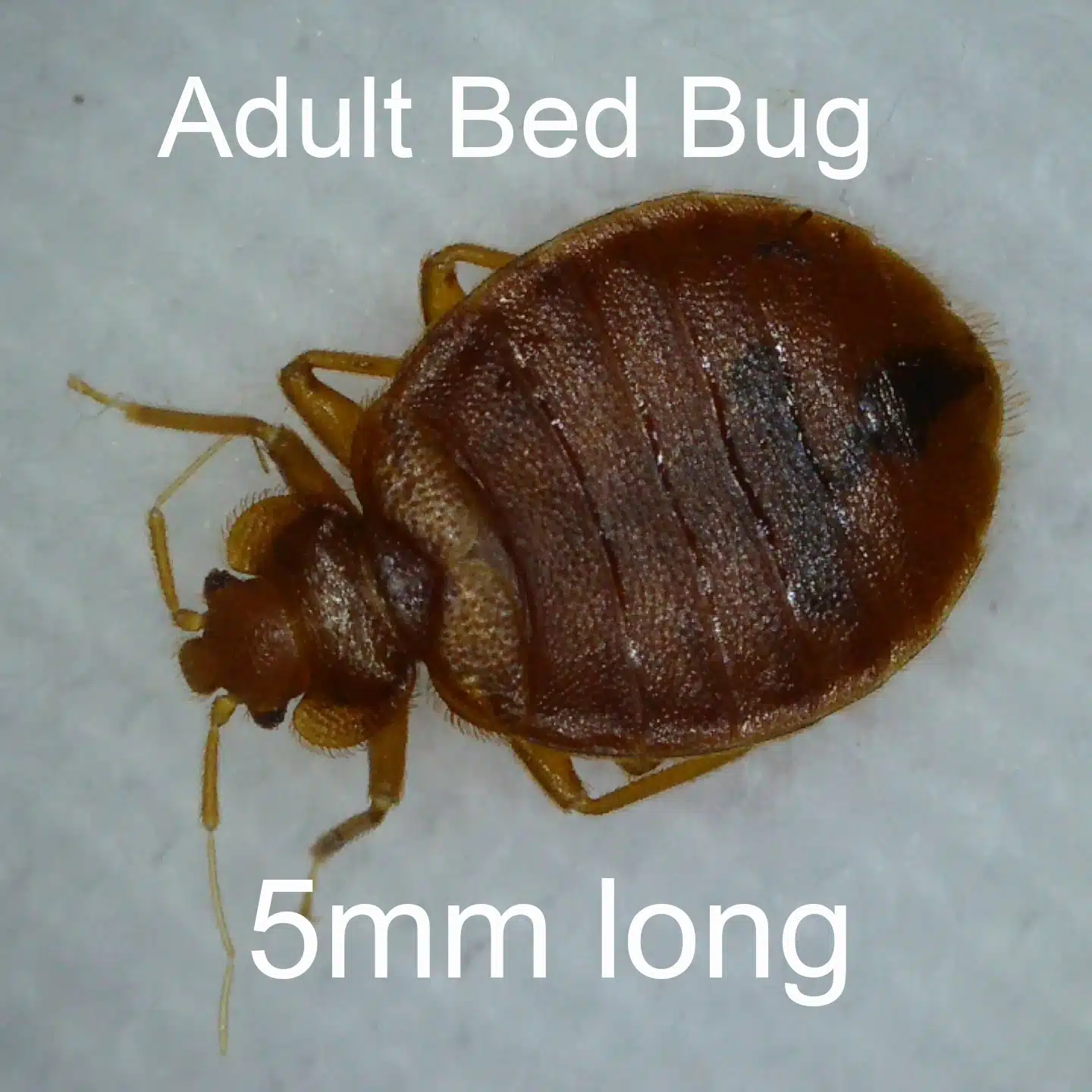
- Bed bugs are too small to see – Adults are visible to the naked eye, about the size of an apple seed.
- They are easy to spot during the day – Not really. They hide deep in cracks, behind skirting, and inside furniture joints.
- Bed bugs only bite exposed skin – They can bite under loose clothing if they can reach skin.
Myths About Infestation Causes
- Bed bugs only infest dirty homes – Cleanliness does not matter. Warmth and carbon dioxide attract them.
- They are a sign of poor hygiene – Same idea. Hygiene is not the driver of an infestation.
- Bed bugs only live in beds – They also hide in sofas, chairs, carpet edges, baseboards, and outlets.
- Bed bugs only exist in cities – They thrive in rural, suburban, and urban areas alike.
- Pets carry bed bugs around the home – They prefer humans. They may bite pets if people are not available.
- Bed bugs prefer one person over another – It is about access and proximity, not genuine preference.
Myths About Getting Rid of Bed Bugs
- Throwing away infested furniture solves it – Bugs in skirting, frames, and cracks will simply reinfest.
- DIY sprays will wipe them out – Most sprays require direct contact. Hidden bugs and eggs survive.
- You can starve them by leaving the room vacant – Bed bugs can survive for months without feeding.
- Bed bugs survive any temperature – Correctly applied extreme heat or cold is lethal.
- Vacuuming alone will kill them – Vacuuming helps, but many survive unless contents are sealed and disposed of properly.
- They are a modern problem – Bed bugs have been documented for centuries.
- Home remedies like vinegar or essential oils will eradicate them – These may repel. They do not eliminate an established infestation.
Related reading: itchy bed bug bites are common, but bed bugs are not known to spread disease.
What Do Bed Bugs Look Like?
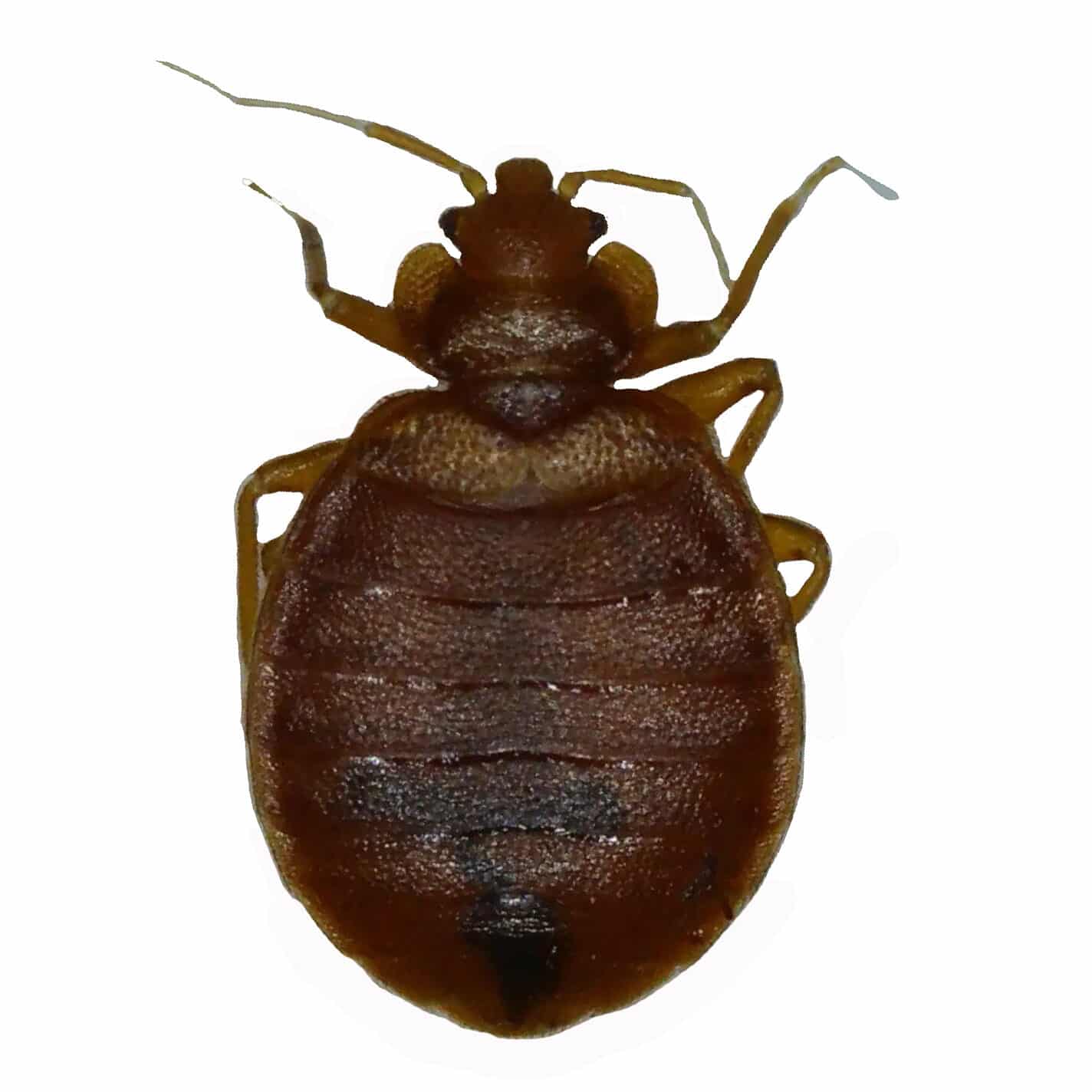
Adult Bed Bug
Bed bugs are flat, oval, and about the size of an apple seed when fully grown. They change quite a bit as they grow, and knowing these differences makes spotting them much easier.
Quick Identification
- Shape – Flat and oval when unfed, elongated and swollen after feeding.
- Colour – Pale straw or translucent as young nymphs, tan to reddish-brown as adults, deep red-brown right after a meal.
- Size – Eggs are about 1 mm, nymphs 1–4 mm, adults 4–6 mm.
- Movement – Crawl only; no wings and no jumping.
- Body details – Six legs, short antennae, segmented abdomen, no stinger.
Tip: If you see a small, flat, red-brown oval that gets plumper and darker after biting, you’re probably looking at a bed bug.
Removing Bed Bugs From Your Home
Say goodbye to bed bugs for good with our proven four-step Isolation Method — a comprehensive system designed to kill these pests instantly and keep them from coming back. This method combines immediate action with long-term prevention so you can sleep soundly knowing the infestation is gone for good.
- Kill instantly with steam
Use a bed bug steamer to deliver high-temperature steam directly into mattress seams, bed frames, skirting boards, and other hiding spots. Steam penetrates fabrics and cracks that sprays can’t reach, instantly killing bed bugs and their eggs on contact without chemicals. - Apply Diatomaceous Earth for long-term control
For ongoing protection, apply Diatomaceous Earth (DE) in all the areas where bed bugs hide — such as cracks, crevices, and under furniture. Our Bed Bug Killer Powder contains high-grade DE that works by dehydrating and killing bed bugs over time. Once applied, it continues working for years, ensuring the infestation doesn’t return. - Seal the mattress with protective covers
Fit bed bug mattress covers to trap any remaining bed bugs inside and prevent new ones from getting in. These encasements create a physical barrier, making it easy to inspect and clean your bed while denying pests their favourite hiding place. - Isolate the bed with barrier traps
Install bed leg bed bug barrier traps under each leg of the bed. These traps prevent bed bugs from climbing into the bed, forcing them to cross a layer of Diatomaceous Earth inside the barrier. This creates instant protection while also killing any bugs attempting to reach you at night.
Extra Tip: Keep your bed at least 30 cm away from walls and other furniture to prevent bed bugs from bypassing the traps. Combined with the above steps, this method creates a complete kill-and-prevent system that works without toxic chemicals, is safe for pets and children, and is backed by years of proven results.
Conclusion
Bed bugs have long been the subject of many myths and misconceptions. From old wives’ tales to modern-day urban legends, they are one of the most misunderstood. Many myths and misconceptions about bed bugs can be intimidating and lead to unnecessary fear. Therefore, knowing the truth about them should help people eradicate them easier.
Frequently Asked Questions About Bed Bug Myths
- Are Bed bugs attracted to specific colours?
Some believe bed bugs prefer certain colours like red or black, but while they may be drawn to dark hiding places, colour doesn’t play a significant role in their behaviour. - You can feel bed bugs crawling on your skin?
Although it sounds creepy, most people can’t feel bed bugs crawling on them because they’re so lightweight and often move when you’re asleep. - Can bed bugs live in your ears?
These bizarre bed bug myths suggests that bed bugs can crawl into your ears and live there. While bed bugs can crawl into tight spaces, they do not live in or infest the human body, including ears.
Are You Looking for an Eco Friendly Home Remedy?
Watch Our DIY Treatment Video For An Ensemble Bed
Watch Our DIY Treatment Video For A Bed with Slats
If you have enjoyed our post about “bed bug myths” then you might like to read about the bed bug lifecycle.
Sources:
EPA (bed bug myths), Scientific American (myths about bed bugs), Consumer Reports (bed bug myths)

Tony pioneered a non-toxic, eco-friendly solution for bedbug infestations. His innovation won the ABC TV show “The New Inventors” in 2009. In 2012, he successfully registered Diatomaceous Earth for bedbug control in Australia.





Leave a Reply