


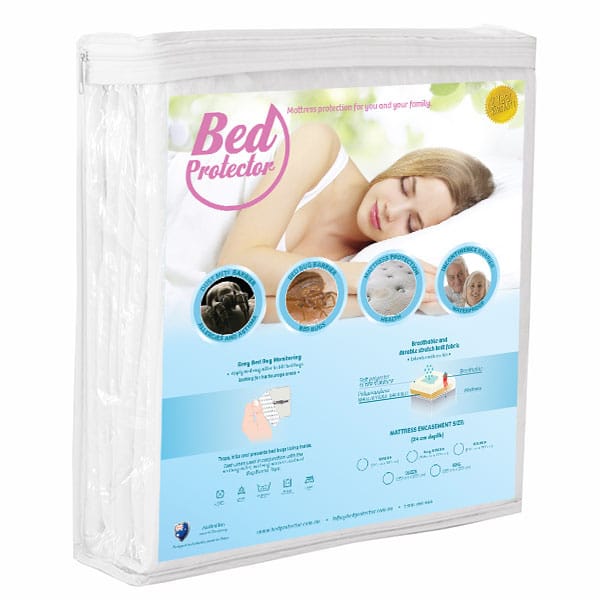
In the article
Last Updated on 14/01/2026 by Tony Abrahams
TL;DR: Mattess Protectors
- A mattress protector blocks spills, sweat, dust mites, allergens, and in some cases bed bugs.
- Waterproof mattress protectors are best for kids, incontinence, and protecting mattress warranties.
- Full zippered mattress encasements are essential for bed bug and dust mite control.
- The best mattress protector fits snugly, is breathable, and uses a durable waterproof membrane.
- For full protection, combine mattress covers with pillow and duvet protectors.
Why You Need a Mattress Protector
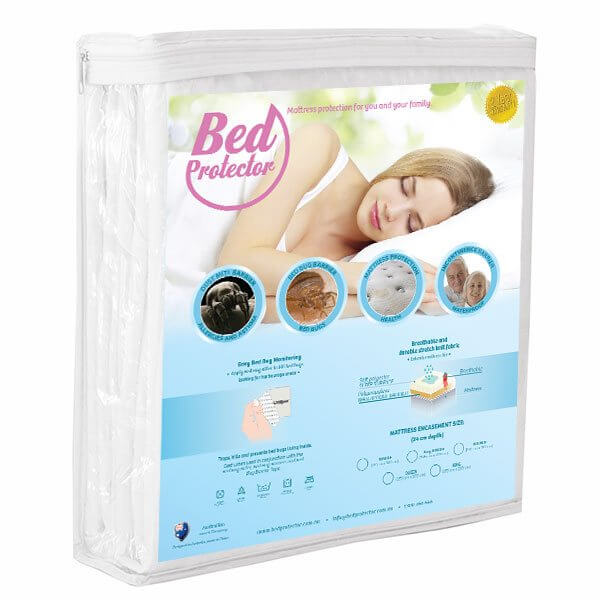
A mattress protector creates a barrier that helps keep spills, allergens and moisture out of the mattress.
Keeping your mattress in tip-top shape is a no-brainer. A mattress protector acts like a shield, blocking out moisture, dust mites, bed bugs and allergens. If you have allergies or asthma, this little hero can make a big difference by keeping those pesky triggers at bay.
Think about it: spills, sweat, makeup, and skin oil can turn your mattress into a smelly, stained mess. But with a mattress protector, you can just toss it in the washer and voila—clean as a whistle.
Plus, a good protector keeps liquids from soaking into the mattress, which can wear down the foams. This means your mattress could last up to ten years longer, saving you from shelling out for a new one anytime soon.
Different Types of Mattress Protectors
Not all mattress protectors are created equal. Here’s a rundown of the types you can choose from:
- Standard Mattress Protectors: These are your basic, no-frills protectors. They fend off some spills and stains and are usually made of cotton or polyester. Easy to remove and toss in the wash.
- Waterproof Mattress Protectors: These come with an extra waterproof layer to keep liquids out. Perfect for anyone dealing with incontinence or households with kids.
- Bed Bug Mattress Encasements: These wrap around your mattress like a fortress, keeping bed bugs from getting in or out. They also cover the emsemble bases. Regular protectors won’t cut it for bed bugs—they need to cover every inch.
- Allergen-Proof Mattress Protectors: Rather than relying on fabric weave alone, these covers use a polypropylene membrane that acts as a physical barrier against dust mites and allergens.
- Cooling Mattress Protectors: These are designed with materials that help regulate temperature, keeping you cool all night. Ideal if you tend to sleep hot.
| Type | Key Features | Best For |
|---|---|---|
| Standard | Basic protection against spills and stains | General use |
| Waterproof Mattress Protectors | Extra waterproof layer | Incontinence, kids |
| Bed Bug Mattress Covers | Full coverage barrier | Bed bug prevention |
| Dust Mite Mattress Covers | Polypropylene membrane | Allergy sufferers |
| Cooling | Temperature regulation | Hot sleepers |
Protection Covers for Other Areas of Your Bed
Protecting the mattress is a great first step, but for complete bed protection it helps to cover the rest of the bedding as well. Duvets and pillows can absorb moisture and collect allergens just as easily as a mattress.
Waterproof duvet and pillow covers help protect against spills, sweat and accidents, keeping bedding cleaner and easier to wash.
Dust mite duvet and pillow covers create a barrier that helps prevent dust mites and allergens from building up inside bedding, supporting a healthier sleep environment.
How Mattress Covers Help With Spills, Allergies and Pests
Bed Bug Prevention
Bed bugs are the stuff of nightmares. But a good mattress cover can keep them at bay. These covers wrap around your mattress like a fortress, stopping bugs from getting in or out. Some even cover the ensemble base, giving you full protection.
Now, while these covers can trap bed bugs inside and starve them, they won’t stop bugs from invading other parts of your home.
For a full-on bug battle, you might need a non toxic bed bug treatment.
Allergen Protection
Dust mites, pet dander, pollen—your mattress can become a magnet for these allergens, making life miserable for allergy sufferers. Dust mite mattress encasements act like a shield, blocking these irritants from settling in your bed. This is a game-changer for folks with asthma or severe allergies.
Encasing your mattress helps create a hypoallergenic zone, cutting down on allergen exposure and improving sleep quality. For the ultimate allergen defense, pair your mattress cover with waterproof pillow covers and waterproof duvet covers.
Waterproofing Technology
Spills, stains, and accidents happen, especially if you have kids or deal with incontinence. Waterproof mattress encasements are your mattress’s best friend, protecting it from liquid damage. These covers use advanced waterproofing tech to keep liquids out, ensuring your mattress stays dry and clean.
Most waterproof encasements combine materials for top-notch protection. They usually have a soft, comfy top layer and a waterproof membrane underneath. Here’s a quick look at some common materials:
| Material | Waterproofing | Comfort | Durability |
|---|---|---|---|
| Polyurethane | Excellent | High | High |
| Vinyl | Good | Moderate | High |
| Polyester | Moderate | High | Moderate |
Knowing the perks and features of waterproof mattress encasements helps you make smart choices to keep your mattress safe from bugs, allergens, and spills.
How To Choose the Best Mattress Protector

A waterproof membrane helps block dust mites, allergens and stains while protecting the mattress underneath.
Choosing the right mattress cover is key to keeping your bed safe from accidents, stains, dust mites, bed bugs, and allergens. Let’s break down what you need to know to pick the best one.
Size Matters
Getting the right size for your mattress cover is super important. A snug fit keeps it from moving around and ensures full coverage. Our mattress encasement fits mattresses up to 33cm deep and comes in sizes Single, King Single, Double, Queen and King.
| Mattress Size | Dimensions (cm) |
|---|---|
| Single | 92 x 187 |
| King Single | 106 x 203 |
| Double | 137 x 187 |
| Queen | 153 x 203 |
| King | 183 x 203 |
Measure your mattress height and match it with the encasement’s depth. For instance, if your mattress is 22 cm high, go for a protector that fits up to 24 cm.
Material Choices
The material of your mattress cover affects how well it works and how comfy it is. Here are some options:
- Cotton Blend Jersey: These Mattress Protector uses a soft cotton-blend jersey with a stretchy poly skirting and a non-toxic laminated fill. It’s great for keeping out bacteria and some liquids, but they are not waterproof.
- Polyester with polyurethane lining: These protectors are tough and resist wear and tear. They block liquids and allergens well but might not be as soft or breathable as natural materials.
- Terry Cloth: Terry cloth covers are soft and comfy, plus they’re super absorbent. They sometimes have a waterproof layer underneath for added protection.
- Vinyl: Vinyl covers are excellent at blocking liquids and allergens. However, they might not be as breathable or comfy as fabric-based covers and can be noisy when you move.
Think about what you need most—whether it’s allergen protection, comfort, or durability. For extra protection, you might also want to use waterproof pillow covers and a waterproof duvet cover to keep everything safe from spills and allergens.
Keep Your Mattress Protector in Tip-Top Shape

Regular washing helps keep your mattress protector clean, fresh and working as intended.
Taking care of your mattress protector is key to making it last and keeping it effective. Here’s how to keep it in great condition.
How to Wash It
- Temperature: Wash it between 50 – 60ºC to kill bed bugs, bacteria and dust mites.
- Detergent: Stick to mild detergent. Skip the chlorine bleach and dry cleaning; they can mess up the waterproof layer.
- Washing Frequency: Keep it clean by washing regularly. Check the label for specific instructions.
- Tumble Drying: Dry it with other linens on low heat to avoid damaging the waterproof membrane.
Making It Last
- Material: Go for high-quality stuff like polyurethane for better durability.
- Usage: Wash it regularly and handle it with care. Don’t stretch it too much or use high heat, which can wear it out faster.
- Maintenance: Check it often for any signs of wear and tear. If the waterproof layer is damaged, it’s time for a new one.
What About Covers for Couches and Dog Beds?

Protective covers help keep couches and dog beds cleaner, drier and easier to manage.
Sharing your home with pets brings a lot of good things, but it also brings mess into places we use every day. Couches, chairs, dog beds, even spare beds that double as seating. Accidents happen, whether that’s from pets, children, or adults dealing with incontinence.
Once moisture, sweat or urine soaks into cushions or foam, it’s very hard to fully remove. Odours linger, bacteria builds up, and over time it can affect both hygiene and comfort.
Protective liners help stop that problem at the source. By creating a waterproof barrier, they prevent liquids from soaking into furniture and make cleaning far simpler. They also reduce the build-up of allergens like dust, dander and mites inside cushions, which can make a noticeable difference for people with allergies or asthma.
You can read more about our couch and dog bed covers here, which are designed to protect furniture used by pets, families, guests, and anyone needing extra peace of mind.
Watch Video: Couch and Dog Bed Covers to Help Protect Your Home
Frequently Asked Questions: Mattress Protectors
What are the best types of mattress protectors?
The best mattress protectors are waterproof to protect against spills and sweat, breathable to prevent heat build-up, and comfortable enough that they don’t change how your mattress feels. A good protector should also help block allergens like dust mites and pet dander, and be durable enough to withstand frequent washing without breaking down.
Is it worth getting a mattress protector?
Yes, a mattress protector is worth it because it protects your mattress from stains, moisture, and everyday wear, which can significantly extend its lifespan. It also improves hygiene by blocking sweat, allergens, and bacteria, makes cleaning much easier, and can help keep your mattress warranty valid.
What’s the point of a mattress protector?
The main purpose of a mattress protector is to act as a barrier between you and the mattress. It stops spills, sweat, and grime from soaking in, helps reduce exposure to allergens like dust mites and pet dander, and keeps the mattress cleaner and more comfortable for longer.
Do mattress protectors help with bed bugs?
Standard mattress protectors offer little protection against bed bugs, but full zippered mattress encasements can help by sealing the mattress completely. They trap any existing bed bugs inside and prevent new ones from getting in, which is an important part of a proper bed bug control approach.
How often should you wash a mattress protector?
Most mattress protectors should be washed every one to two months, or immediately after any spills or accidents. Regular washing helps maintain hygiene, control allergens, and keep the waterproof layer working effectively.
Sources: Mattress Protectors
Continence Foundation of Australia – Urinary Incontinence
CDC – Asthma Triggers and Indoor Allergens

Tony pioneered a non-toxic, eco-friendly solution for bedbug infestations. His innovation won the ABC TV show “The New Inventors” in 2009. In 2012, he successfully registered Diatomaceous Earth for bedbug control in Australia.





Leave a Reply