


In the article
Last Updated on 03/11/2025 by Tony Abrahams
TL;DR: Bed Bugs in Hospitals
Hospitals usually can’t use chemical treatments for safety reasons, so if you’ve been exposed, it’s important to treat your home quickly using safe, eco-friendly methods.
Our DIY Bed Bug Treatment System kills bed bugs instantly and keeps protecting for years without toxic sprays.
Introduction
A mother gently feeds her newborn in a hospital bed; a reminder that even the cleanest healthcare settings must stay vigilant against hidden pests like bed bugs.
Most people assume hospitals are the last place bed bugs could exist. Sterile, spotless, constantly cleaned – right?
But the truth is, bed bugs don’t care how clean a place is. They just want access to blood and somewhere to hide. With the constant flow of patients, staff, visitors, and laundry, hospitals can become an accidental transport hub for these tiny hitchhikers.
And because hospitals can’t freely use pesticides or heat treatments in patient areas, infestations can quietly persist behind walls, in wheelchairs, or even in waiting room furniture.
That’s why understanding the risk – and knowing what to do if you’ve been exposed – is so important.
Why Bed Bugs Are Becoming a Problem in Hospitals
Hospitals have a near-constant turnover of people and equipment, creating endless opportunities for bed bugs to move around.
They can cling to clothing, bedding, or even medical trolleys, and survive for months without feeding.
Unlike cockroaches or ants, bed bugs don’t spread disease, but their bites cause distress, anxiety, and sleeplessness – all things patients really don’t need during recovery.
Signs You May Have Been Exposed to Bed Bugs in a Hospital
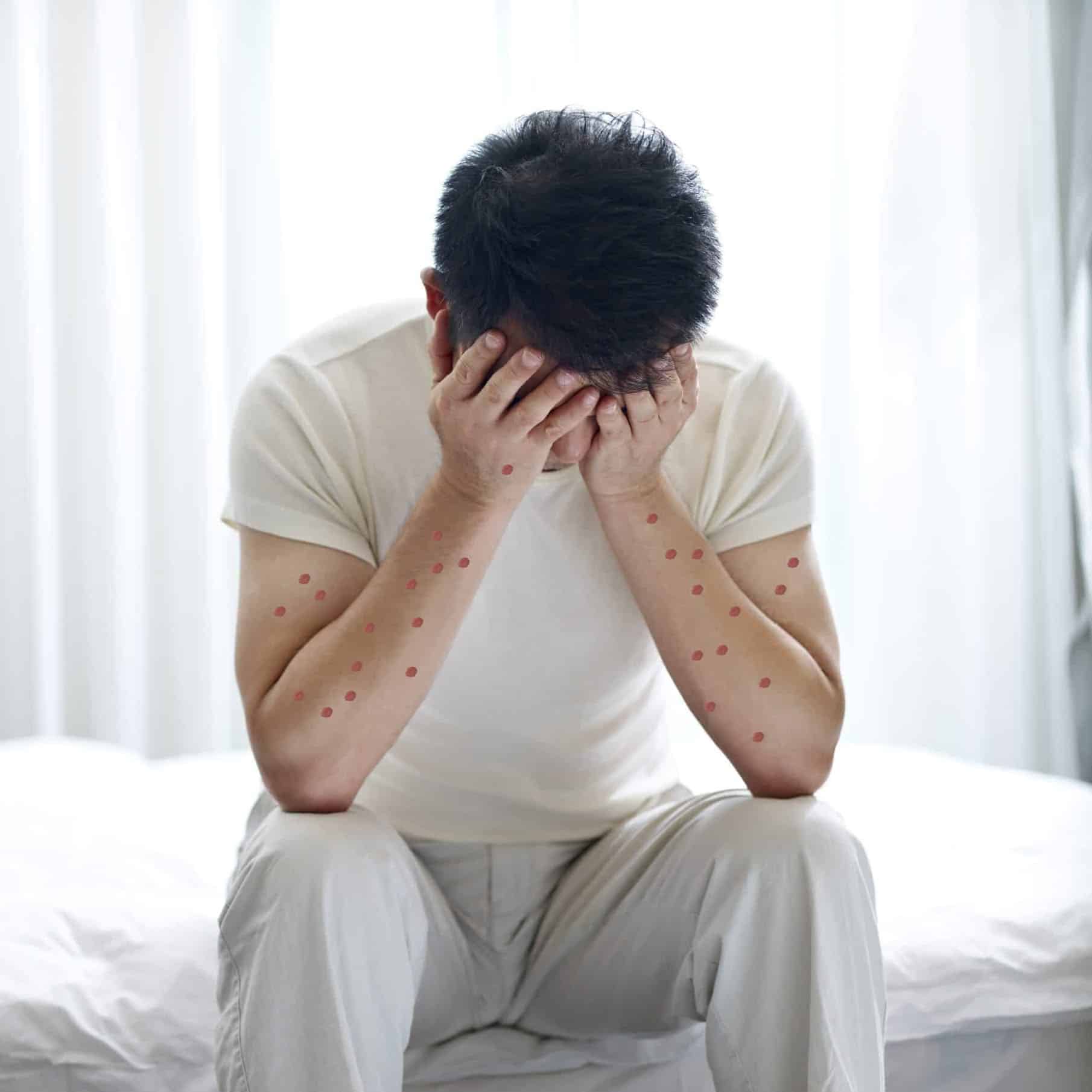
If you notice small, itchy bites after a hospital stay, or see tiny brown specks on your clothing or luggage, it’s worth investigating.
Bed bugs often hide in seams of fabric, suitcase folds, or wheelchair cushions.
Look for:
- Red, itchy welts that appear in clusters or straight lines
- Tiny blood spots on sheets or pyjamas
- Small dark droppings or shed skins
The Health Risks and Stress of Bed Bug Exposure
why pest control fails with bed bugs
While bed bugs don’t carry disease, their bites can cause allergic reactions or infections from scratching.
Emotionally, the experience can be worse – many people feel anxious or lose sleep knowing they might have brought bed bugs home.
This makes fast, safe action critical.
Bed Bug Bites in Australia: How to Find, Treat and Prevent Bed Bugs Fast
Why Hospitals Can’t Always Treat Bed Bugs Immediately
Hospitals have strict infection-control and chemical-safety policies.
They can’t spray insecticides around patients, and heat treatments are often too disruptive or risky near oxygen equipment.
Instead, most hospitals focus on containment and sanitation, leaving actual eradication for pest professionals once areas are cleared.
That’s why individuals often need to take their own steps once they leave the facility.
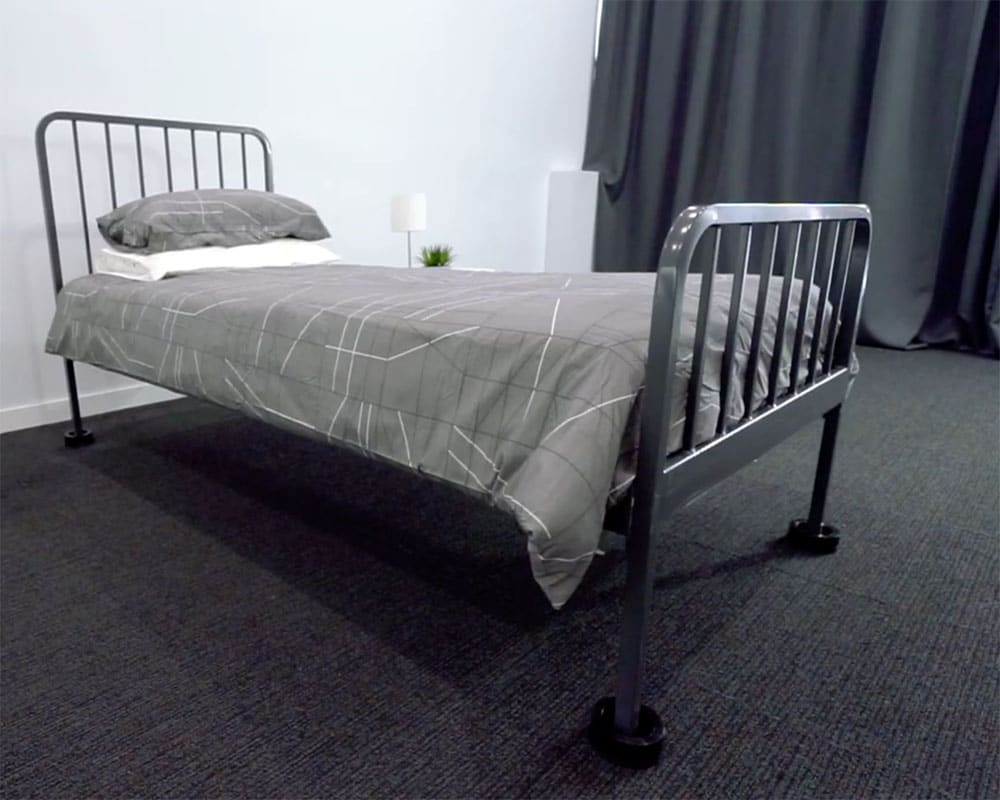
How to Get Rid of Bed Bugs You May Have Been Exposed to in the Hospital Using the Isolation Method
Control Bed Bugs with the Isolation Method
If you think you’ve brought bed bugs home, don’t panic – but act fast.
Here’s what to do:
- Wash and dry all clothing and bedding from your hospital stay on high heat.
- Use a steamer to kill live bed bugs instantly on your mattress and bed frame.
- Apply Diatomaceous Earth (DE) to cracks, crevices, and bed legs for long-term protection.
- Seal your mattress with a Bed Bug Proof Mattress Cover.
- Install barriers or traps under bed legs to stop bugs climbing up and biting again.
This simple system – the Isolation Method – kills every bed bug in the room by forcing them to walk through the DE powder.
It’s non-toxic, long-lasting, and safe for both humans and pets.
FAQs: Bed Bugs in Hospitals
1. Can you get bed bugs from visiting someone in hospital?
Yes. Bed bugs can hitchhike on clothes or bags after short visits, especially in high-traffic wards.
2. Should I tell the hospital if I think I got bed bugs there?
Definitely. It helps infection-control teams take preventive measures and inspect affected areas discreetly.
3. Are bed bugs dangerous for patients?
Not medically dangerous, but they cause discomfort, anxiety, and sometimes secondary skin infections from scratching.
4. How do I treat my home safely after hospital exposure?
Use a combination of steam, Bed Bug Killer Powder (DE), and barriers to stop bed bugs reaching your bed again – no need for chemicals.
5. Can I sleep in my bed the same night after treatment?
Yes – with the Bed Bug Barrier system, you can sleep safely the same night you apply it.
Suggested Internal Links
- DIY Bed Bug Treatment
- Bed Bug Killer Powder
- Bed Bug Proof Mattress Cover
- Floor Bed Bug Barrier Trap
- The Bed Bug Isolation Method
Call to Action
If you’ve been exposed to bed bugs during a hospital stay, don’t wait for them to spread.
Our DIY Bed Bug Treatment System kills bed bugs instantly and protects your home for years – safely, affordably, and without chemicals.
Watch Our DIY Videos: Control Bed Bugs With The Isolation Method
Are you looking for an organic DIY treatment? These step-by-step videos show you exactly how to use the Isolation Method on different types of beds.
For an Ensemble Bed
For a Bed with Slats
If you have enjoyed our blog, Bed Bugs in Hospitals, then you might like to read about How to Prevent Bed Bugs.
Sources: Bed Bugs in Hospitals

Tony pioneered a non-toxic, eco-friendly solution for bedbug infestations. His innovation won the ABC TV show “The New Inventors” in 2009. In 2012, he successfully registered Diatomaceous Earth for bedbug control in Australia.




Leave a Reply