


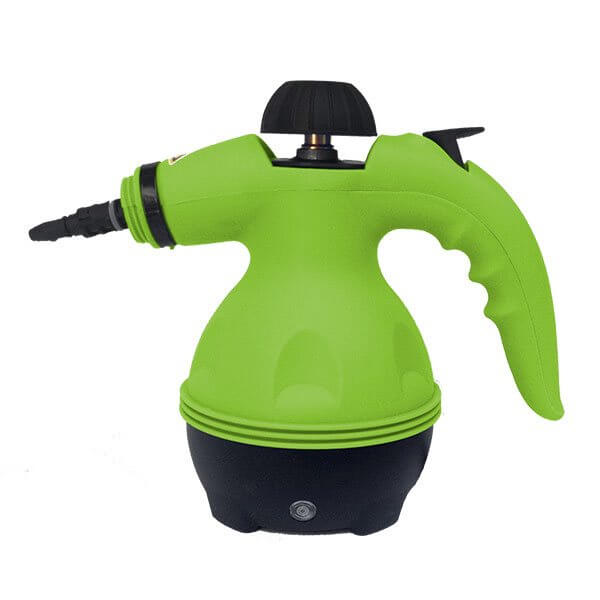
In the article
Last Updated on 26/08/2025 by Tony Abrahams
- Mattress seams and tufts
- Headboards, ensemble bases, and screw holes
- Upholstery, carpet edges, and skirting boards
- Tight cracks in frames and furniture joints
Features to Look for in the Best Bed Bug Steamer Tool
Kill Bed Bugs instantly with Steam
Consistent Heat Output
Able to reach and maintain high temperature. Adjustable flow/pressure helps you move from delicate fabrics to solid surfaces without soaking them.
Tank Size & Continuous Steam
Bigger tanks mean fewer refills. Continuous steam avoids the stop-start frustration when treating large mattresses or whole rooms.
Attachments That Matter
Narrow nozzles for seams and cracks, wide heads for mattresses and sofas, and brush tools for carpets and curtains.
Practical Safety
Auto shut-off, insulated handles, anti-drip design. You want heat on the bugs, not on your hands or floorboards.
Bed Bug Bites in Australia: How to Find, Treat and Prevent Bed Bugs Fast
How to Use a Bed Bug Steamer Tool Properly
Step-by-step
- Heat up fully. Fill with water and wait until the unit indicates full temperature.
- Treat the mattress first. Glide slowly along seams and buttons (about 2–3 cm per second). Bugs hide deep; speed kills results.
- Move to the bed base and frame. Focus on joints, slats, screw holes, and the headboard (front and back).
- Work around the room. Skirting boards, carpet edges, nearby furniture, and curtain hems all deserve a pass.
- Let everything dry. Avoid over-wetting. Remake the bed only once surfaces are dry to prevent mould.
Safety & technique tips
- Keep the nozzle close, but don’t press so hard you trap moisture.
- Open windows or run a fan afterwards to dry the room faster.
- Keep children and pets out until the area is cool and dry.
Effectiveness: Steam vs Other Bed Bug Treatments
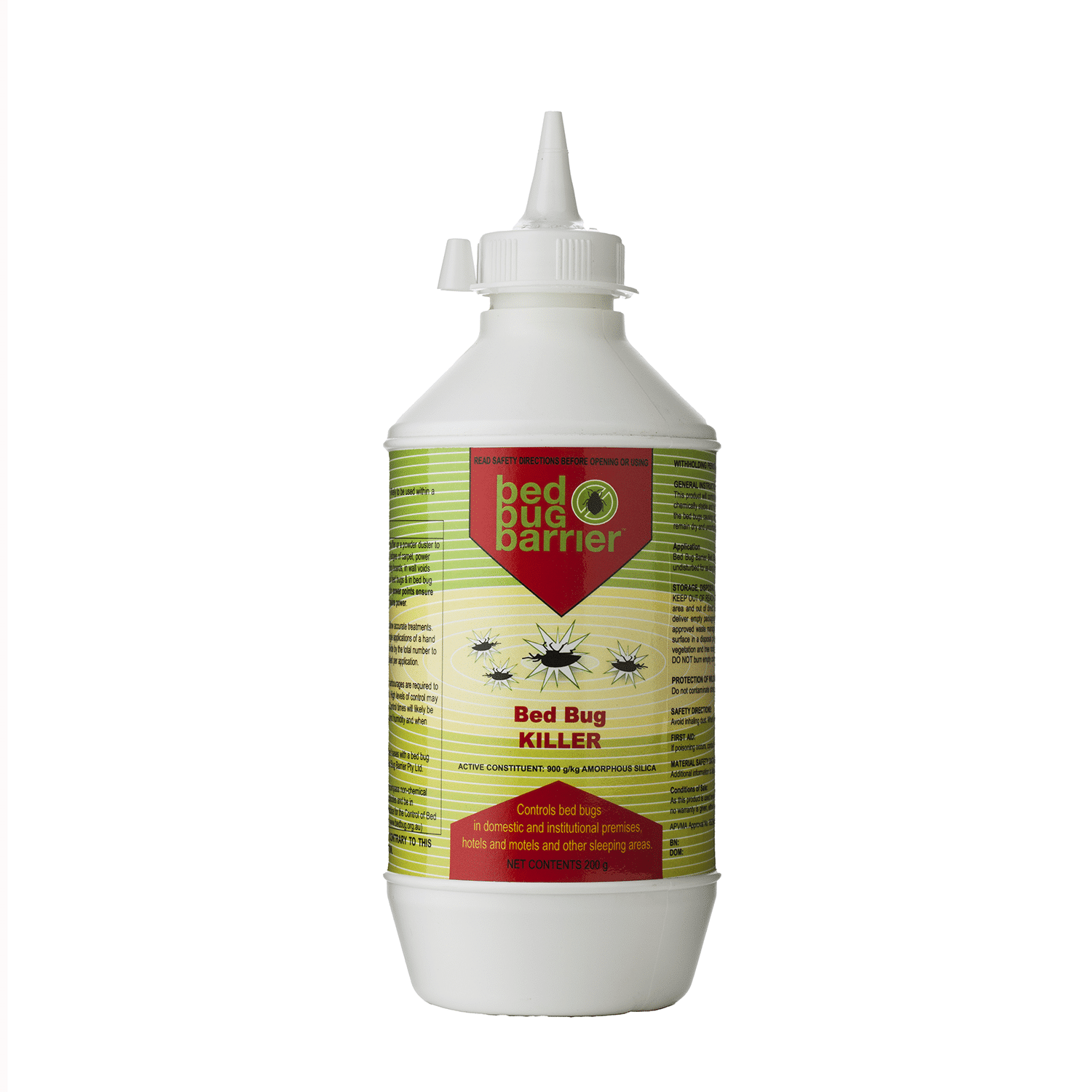
Bed Bug Killer powder is made from 100% Diatomaceous Earth
Steam vs Sprays
Sprays work only on direct contact and often miss bugs tucked into seams. Steam penetrates fabric and cracks and kills instantly, but it doesn’t stay active afterwards.
Steam vs Diatomaceous Earth (DE)
Steam = instant kill. DE = long-term kill. When bugs cross DE, they dehydrate and die over days. Together they give immediate relief and residual control.
DIY Steam vs Professional Visits
Many pros use steam too. A quality home unit costs less than repeat call-outs and is reusable whenever you need it.
The winning combo: Steam today for instant results, then lock in long-term protection with Diatomaceous Earth powder, mattress and base covers, and bed leg barriers.
Which Bed Bug Steamer Tool Fits Your Situation?
- Budget handhelds: Handy for spot work, but limited tank size and duty cycle.
- Mid-range multipurpose: Best value for most homes; solid heat, multiple attachments, decent tank size.
- Professional-grade: Built for hotels and heavy infestations with long, consistent output for large areas.
If you’re serious about results, mid-range or pro units usually pay for themselves quickly.
Limitations (and How to Cover Them)
- No residual effect: Steam only kills what you hit. Pair it with DE for ongoing protection.
- Time & thoroughness: Skipping spots means survivors. Go slow and systematic.
- Moisture risk: Don’t drench; you’re applying heat, not pouring water.
Recommended system for complete control:
FAQs: Bed Bug Steamer Tool
- Can I just use a garment steamer instead?
Not reliably. Most garment units can’t maintain consistent, penetrating heat for long enough. A purpose-built bed bug steamer tool delivers better temperature stability, pressure control, and attachments for cracks and seams. - How often should I steam if I’ve found bed bugs?
Do a thorough initial treatment, then repeat weekly for reassurance until there are no fresh signs. Combine with DE powder, mattress/base covers, and bed leg barriers to prevent rebounds so you don’t need constant steaming. - Will steam damage my mattress or furniture?
Used correctly, no. Move slowly to deliver heat without soaking. Keep the nozzle close but not pressed in, and allow items to dry fully before remaking the bed or replacing cushions. - Is steam alone enough to get rid of bed bugs?
Steam gives instant kill but no residual effect. For long-term peace of mind, pair it with Diatomaceous Earth, protective covers, and bed leg barriers.
Conclusion: The Role of a Bed Bug Steamer Tool
A bed bug steamer tool gives you something that most treatments don’t: instant results. Steam penetrates deep into mattresses, seams, and furniture, wiping out adults and eggs in seconds without toxic sprays or lingering fumes. It’s safe for your family, safe for pets, and strong enough to stop an infestation in its tracks.
But here’s the reality, steam only works at the moment of contact. Once the surface cools, it doesn’t offer lasting protection. That’s why steaming should be viewed as the first step in a bigger system. By pairing your steamer with long-term solutions like Diatomaceous Earth powder, mattress and base covers, and bed leg barriers, you get two levels of protection: instant elimination today and residual control tomorrow.
Think of it as a one-two punch. The steamer knocks out the visible infestation fast, while the powder, covers, and barriers stop the survivors from ever making it back to your bed. Together, these tools create a defence system that keeps your bedroom—and your peace of mind—protected for years, not just days.
Bottom line: Use your steamer for quick relief, then secure lasting results by adding long-term barriers. You’ll sleep better knowing bed bugs don’t stand a chance of coming back.
Watch Our Bed Bug Steamer Tool Demonstration
If you enjoyed our blog, Bed Bug Steamer Tool, then you might like to watch our DIY instructions for a bed frame with slats.
Sources: Bed Bug Steamer Tool
- Doggett, S. L., Miller, D. M., & Lee, C.-Y. (2018). Advances in the Biology and Management of Modern Bed Bugs. Wiley-Blackwell. (Chapter on non-chemical treatments including steam).
- U.S. Environmental Protection Agency (EPA). Using Heat to Kill Bed Bugs. Accessed 2025.
- University of Minnesota Extension. Bed Bugs. Information on bed bug biology and heat treatment effectiveness.
- Rutgers University. Cooper, R. & Wang, C. (2010). Rutgers Bed Bug Research. Includes studies on steam, barriers, and Diatomaceous Earth.

Tony pioneered a non-toxic, eco-friendly solution for bedbug infestations. His innovation won the ABC TV show “The New Inventors” in 2009. In 2012, he successfully registered Diatomaceous Earth for bedbug control in Australia.





Leave a Reply