


In the article
Last Updated on 15/09/2025 by Tony Abrahams
A Bed bug interceptors kit can help you detect activity, but it won’t stop bites on its own, so if you want fast relief, you’ll need more than cups under the bed legs. Waking up with unexplained bites is stressful. You start Googling, and before long you’re looking at plastic dishes that sit under bed legs.
Sensible first step? Maybe. But let’s be honest, if the goal is sleeping bite-free tonight, a bed bug interceptors kit is only part of the story. Below, I’ll explain what’s inside these kits, how they work, the upsides, the gotchas no one mentions, and the smarter DIY combo that actually shuts down an infestation.
What is a Bed Bug Interceptors Kit?
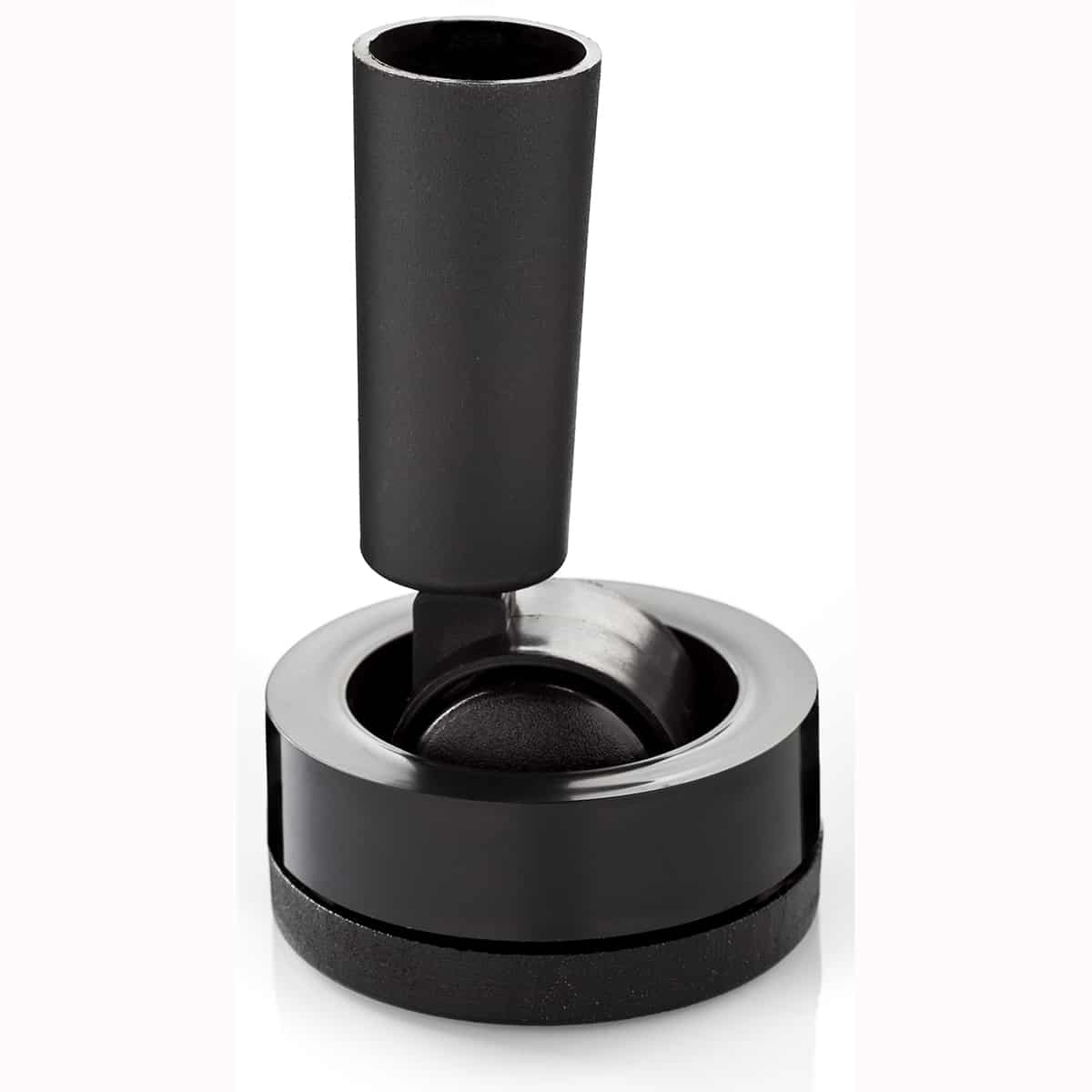
Floor Bed Bug Barrier
A typical kit includes interceptor cups that sit under each bed leg. Bed bugs crawl up the outer surface, fall into a moat, and struggle to climb back out. Some kits add talc or textured wells to make escape harder. That’s it, no chemicals, just passive monitoring.
- What it’s for: early detection and ongoing monitoring
- What it’s not: a complete treatment or long-term prevention on its own
How Do Bed Bug Interceptors Work?
They exploit bed bugs’ need to crawl to the host. Bugs climb up furniture legs to reach you; interceptors interrupt that pathway and collect a sample. It’s simple physics and surface texture, not poison. Useful? Yes, for confirming activity and measuring progress after treatment.
Detection vs prevention: Interceptors don’t remove the population. They just show you some of what’s moving.
Benefits of Using a Bed Bug Interceptors Kit
- Early warning: catch low-level activity before it explodes.
- Chemical-free: safe around kids and pets when used as directed.
- Progress tracking: useful after treatment to verify decline.
- Easy setup: place under each bed leg in minutes.
The Limitations Of Untested Interceptors You Need to Know
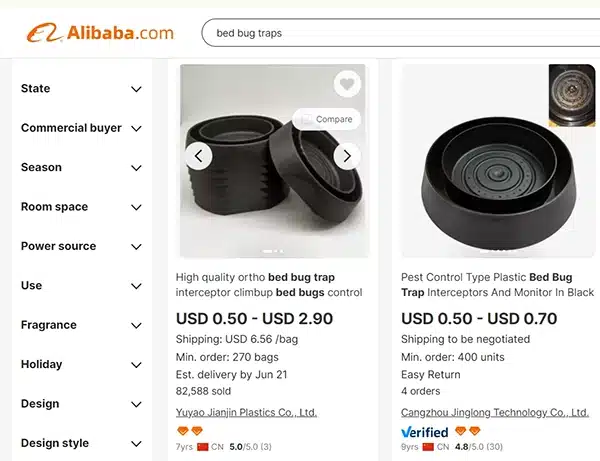
Avoid untested interceptors from China because they spread bed bugs
- Not a cure: they trap a few; they don’t kill the colony.
- Workarounds exist: if the bed touches a wall, doona, or bedside table, bugs bypass the cups.
- False confidence risk: an empty cup doesn’t always mean no bugs, especially with headboards, ensemble bases, or wall gaps.
- Untested designs: many cheap look-alikes lack independent validation, so performance varies.
Tested vs Untested Interceptors
Independent testing matters. Some designs are verified in lab settings; others are not. If you choose interceptors, pick a product with credible third-party data, not just marketing claims. And remember: even a tested interceptor is still a monitor, pair it with a treatment that keeps working after you set it up.
Smarter Alternative: The DIY Isolation Method
If your aim is bite-free sleep and long-term control, use a complete, chemical-free system that isolates your bed and forces every bug to cross a lethal barrier. Here’s the practical combo many homeowners and hospitality venues use:
- Instant relief with steam: treat seams, tufts, bed frame joints, and the ensemble/base to knock down exposed bugs fast.
- Seal the mattress and base: encasements trap existing bugs inside and make inspections easy.
- Create a lethal perimeter: apply an approved amorphous silica (DE) powder to targeted routes so any bug that tries to reach you must cross it.
- Bed isolation: position the bed at least 30 cm from walls, clear blankets from touching the floor, and use leg barriers or traps designed to be easy for bugs to enter, hard to escape, and lethal over time.
Result: you sleep in the room the same night, and the system keeps working for years without constant re-spraying.
Interceptors vs Isolation Method (At a Glance)
| Feature | Bed Bug Interceptors Kit | DIY Isolation Method |
|---|---|---|
| Primary purpose | Monitoring & detection | Immediate relief + long-term control |
| Kills bed bugs | No | Yes, via targeted steam + DE barriers |
| Stops bites tonight | Unlikely on its own | Yes, when installed correctly |
| Reapplication | N/A (but easy to bypass) | One-time setup; long-term protection |
| Best use case | Confirming activity, post-treatment monitoring | Active infestations; prevention in guest rooms |
Bed Bug Bites in Australia: How to Find, Treat and Prevent Bed Bugs Fast
How to Use Interceptors Properly (If You Choose Them)
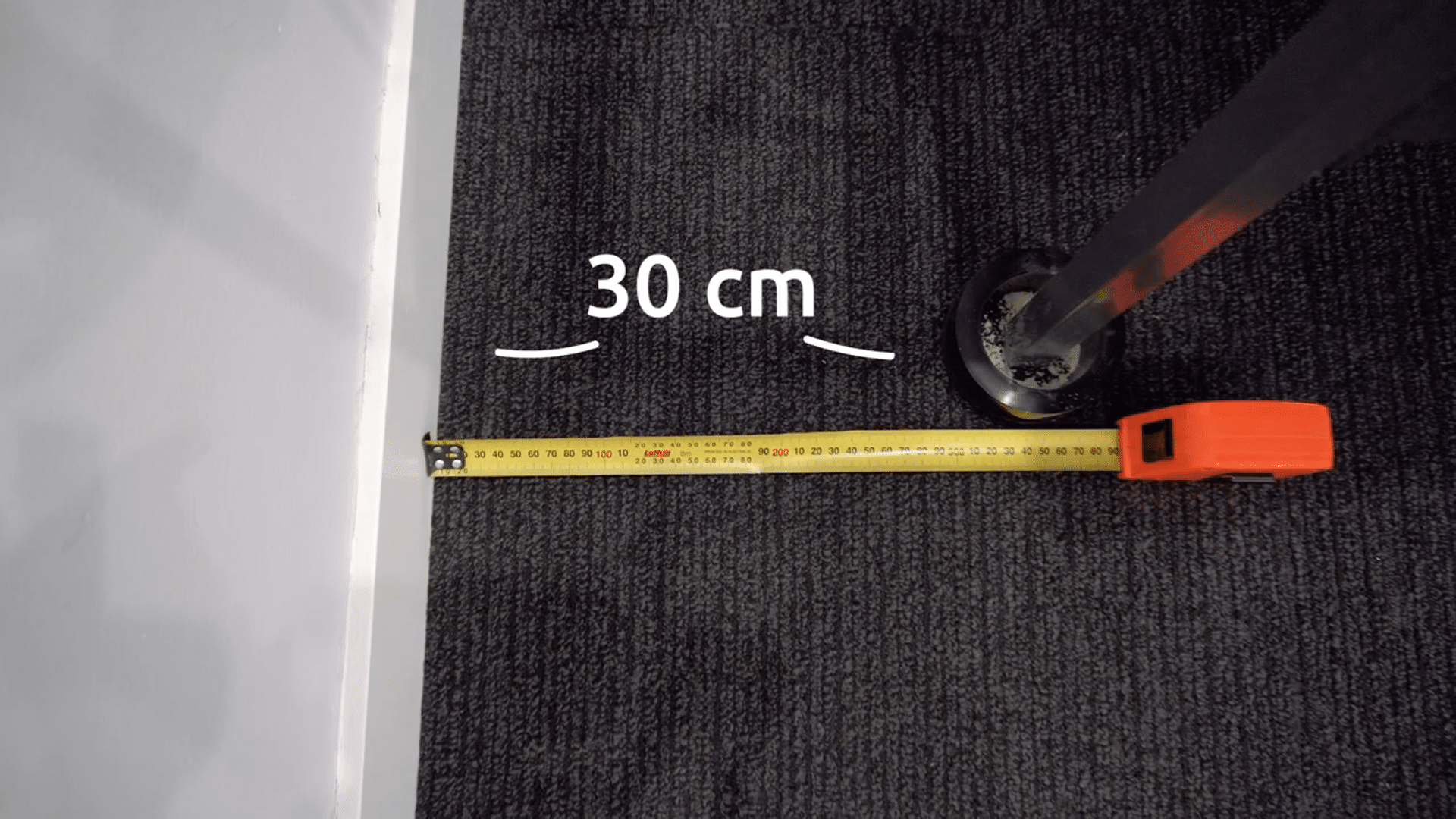
Bed Bug Isolation Method: Move bed away from the wall to use interceptors properly
- Lift and place: put one cup under each leg. If your bed has a flat base or no legs, interceptors won’t be suitable—use isolation barriers instead.
- Isolate the bed: keep it 30 cm from walls, remove bedside bridges, and ensure linen doesn’t touch the floor.
- Inspect weekly: log counts by leg to understand pathways and whether the problem is growing.
- Combine with treatment: steam + encase + DE barriers for real, lasting results.
Should You Buy a Bed Bug Interceptors Kit?
Buy: if you suspect activity and want proof, or you’ve completed treatment and need a simple monitor.
Skip (or supplement): if you’re actively getting bitten. In that case, go straight to a full isolation setup so you can sleep tonight and starve the colony of blood meals.
Ready for Bite-Free Sleep?
If you want more than monitoring, choose a DIY isolation system that combines steam, mattress/base encasements, a long-term DE barrier, and leg traps engineered for easy entry and sure kill. It’s non-toxic, affordable, and designed so you can sleep in the room the same night.
- Floor Bed Bug Barrier
- Bed Bug Proof Mattress Cover
- Bed Bug Killer Powder (Amorphous Silica)
- Handheld Steamer
FAQs: Bed Bug Interceptors Kit
- Do bed bug interceptors kill bed bugs?
No. They trap a portion of the bugs moving along the bed legs. For control, pair them with steam, encasements, and a DE barrier system. - How long should I leave interceptors under the bed?
At least 30 days for monitoring, and ideally throughout treatment. Check weekly and record counts to track progress. - Will interceptors work on sofas or bases without legs?
Not effectively. Interceptors need legs. For ensemble bases or legless furniture, use isolation barriers and encasements instead. - Can bed bugs bypass interceptors?
Yes, if the bed touches walls, furniture, or overhanging linen. Proper isolation is essential
Bottom line: a bed bug interceptors kit helps you confirm activity, but a full isolation system is what stops bites and keeps your room protected long-term.
Are You Looking for an Organic DIY Treatment?
Watch Our DIY Bed Bug Interceptors Kit Treatment Video for an Ensemble Bed
Watch Our DIY Bed Bug Interceptors Kit Treatment Video for a Bed Frame
If you have enjoyed our blog about, Bed Bug Interceptors Kit, then you might like to read about the Bed Bug Isolation Method.
Sources: Bed Bug Interceptors Kit
- Wang, C. et al. “Effectiveness of Bed Bug Monitors for Detecting and Trapping Bed Bugs.”
Journal of Economic Entomology (PDF) - Wang, C., Gibb, T., Bennett, G. “Evaluation of Two Least-Toxic IPM Programs for Managing Bed Bugs.”
Purdue Extension (PDF) - Rutgers NJAES. “Detecting Bed Bugs Using Bed Bug Monitors (FS1117).”
Extension Fact Sheet

Tony pioneered a non-toxic, eco-friendly solution for bedbug infestations. His innovation won the ABC TV show “The New Inventors” in 2009. In 2012, he successfully registered Diatomaceous Earth for bedbug control in Australia.





Leave a Reply