



In the article
Last Updated on 23/09/2025 by Tony Abrahams
Bed bugs are stubborn pests that cause physical discomfort and emotional stress, but they can be controlled with the right approach. Early detection is key, look for stains, bites, eggs, and musty odours. Don’t fall for myths (they don’t only infest dirty homes, can’t fly, and throwing out furniture won’t solve the problem).
Effective bed bug control involves:
- Non-chemical methods like vacuuming, steaming, mattress encasements, and decluttering.
- DIY systems such as mattress covers, steaming and dusting frames with Diatomaceous Earth, and setting up floor barriers/tape to isolate beds.
- Chemical treatments if needed, but only APVMA-registered insecticides applied carefully.
A complete plan combines inspection, preparation, treatment, monitoring, and prevention (regular checks, avoiding second-hand furniture, and keeping clutter down).
Bottom line: Consistency matters. With a mix of vigilance, DIY tools, and professional help if necessary, you can eliminate bed bugs and prevent them from coming back. Prevention is as important as treatment.
DIY Bed Bug Control: The Isolation Method
Bed Bug Isolation Method
Get Rid Of Bed Bugs Fast & Long Term With Our Organic DIY Treatment.
Step 1: Secure the Mattress
Cover your sleeping mattress with a mattress cover. This will trap and kill by starving them.
Step 2: Treat the Bed Frame
Use a Steamer to steam the entire bed frame to kill them instantly.
Dust the entire bed frame with Diatomaceous Earth (bedbug powder) using a powder duster to kill bed bugs long term.
Step 3: Set Up Barriers or Tape To Isolate The Bed
To protect yourself from bed bugs in the room, use our barriers:
Floor Barriers:
Place bed legs in the Floor Barrier, dusting powder inside the tray and barrier.
Screw-In Barriers:
For ensemble bases or beds with threaded legs, fit a Screw-In Barrier between the leg and the base/rail. Unscrew the leg, seat the barrier, lightly dust DE inside the well, then reattach the leg. This forces any bed bug to cross the DE before reaching the bed.
Barrier Tape:
For bed legs larger than 65 mm, use our barrier tape and dust the powder around the bed leg and floor.
Keep your bed at least 30cm away from walls and other furniture.
Why we’re different: we do not chase bugs around the room with endless sprays and laundry. We make them come to you, then we stop them. One clear setup, then the system works every night while you sleep.
- Time: set up once, sleep the same night. No weeks of washing, bagging, and re-washing.
- Money: a DIY kit costs less than a single pest control visit and keeps working for years.
- Headspace: simple steps, predictable results. Bed isolated, frame dusted with DE, legs protected with barriers. No chaos.
Backed by real-world use and third-party testing, our Isolation Method funnels every bug to a single kill zone, not your whole house.
Skip the laundry marathon. With the Isolation Method set, your bed becomes the kill zone. Every bed bug in the room has to come for a feed, and when they do, they hit the DE and barriers and die. Simple.
Professional Pest Control: Only if you cannot avoid it
For most homes you do not need a pest controller. The Isolation Method with steam, Diatomaceous Earth on the bed frame, mattress encasements and leg barriers will eliminate the infestation and keep working without repeat sprays.
Use a pest controller only if you genuinely cannot implement the steps yourself or are required to by a landlord, body corporate or building policy. Examples include mobility or safety limitations, extreme clutter you cannot reduce quickly, or multi-unit settings where access and compliance are outside your control.
If you must go professional, insist on APVMA-registered products specifically labelled for bed bugs, clear preparation instructions, re-entry guidance, and a written follow-up schedule. Sprays usually need multiple visits and ongoing inspections to catch newly hatched bugs.
What Are Bed Bugs And What Do They Look Like?
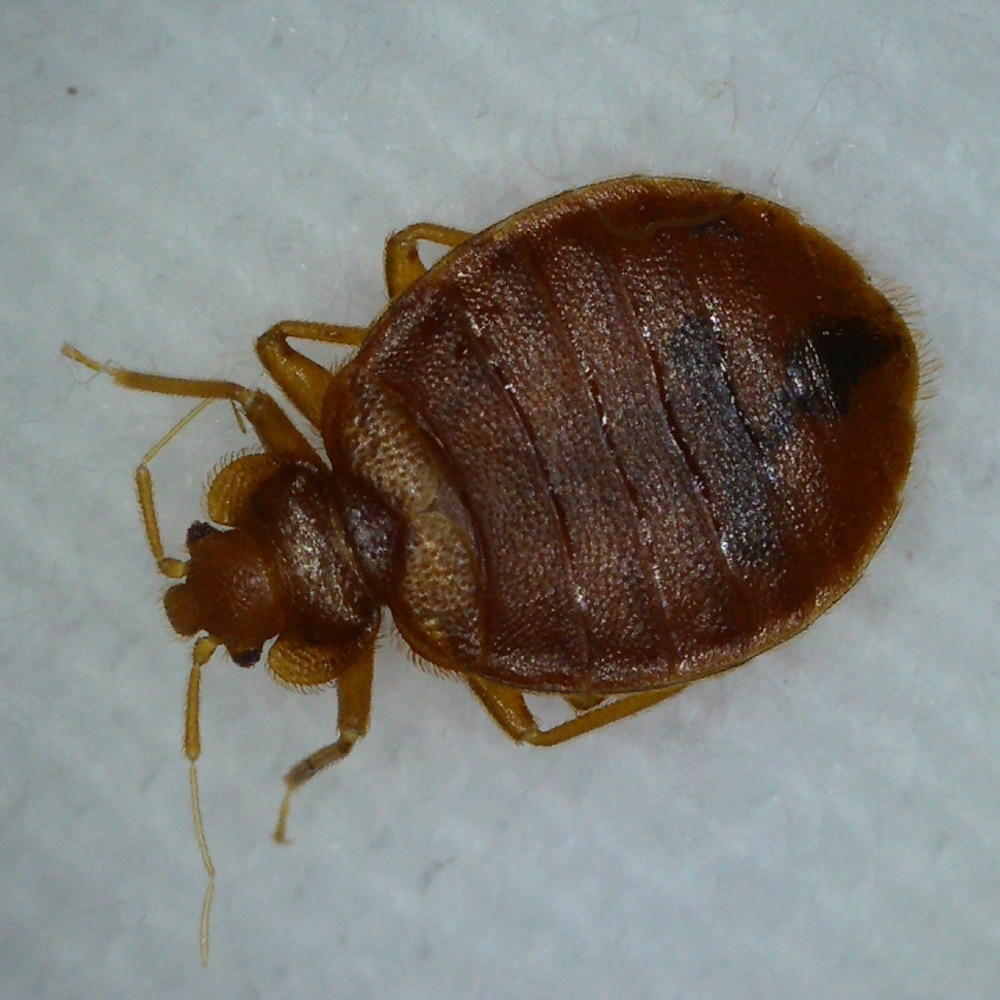
Photo Of An Adult Bed Bug
Bed bugs are small, reddish-brown insects that feed on the blood of humans and animals. They are typically nocturnal and prefer to hide in cracks and crevices during the day, making them difficult to spot.
Understanding the behaviour and biology of bed bugs is crucial in developing an effective control strategy. Bed bugs are resilient and can survive for several months without feeding, so thorough and continuous monitoring is essential.
Signs of A Bed Bug Infestation
Identifying a bed bug infestation early is key to effective control.
Common signs include:
- Small, reddish-brown stains on bedding or mattresses (bed bug excrement).
- Blood spots on sheets from squashed bed bug
- Tiny, pale-yellow eggs or eggshells, about the size of a pinhead.
- Itchy, red bites on the skin, often in a line or cluster.
- A musty odour near the infestation site.
- Live or dead bed bugs.
Regularly inspecting your sleeping areas and furniture can help detect an infestation early, allowing you to act quickly before the problem escalates.
Read About Bed Bug Control Near Me
Common Myths About Bed Bug Control
There are numerous myths surrounding bed bug control that can lead to ineffective treatments or prolonged infestations
Some common misconceptions include:
- Myth: Bed bugs only infest dirty homes.
Fact: Bed bugs are not attracted to dirt or grime; they are drawn to warmth, blood, and carbon dioxide. - Myth: Bed bugs can fly or jump.
Fact: Bed bugs cannot fly or jump; they crawl quickly over floors, walls, and ceilings. - Myth: Discarding infested furniture solves the problem.
Fact: While discarding infested items may remove some bed bugs, it is not a guaranteed solution and could spread the infestation further.
Understanding the truth behind these myths is critical for implementing effective bed bug control measures.
Preventing Future Infestations: Long-Term Bed Bug Control Strategies
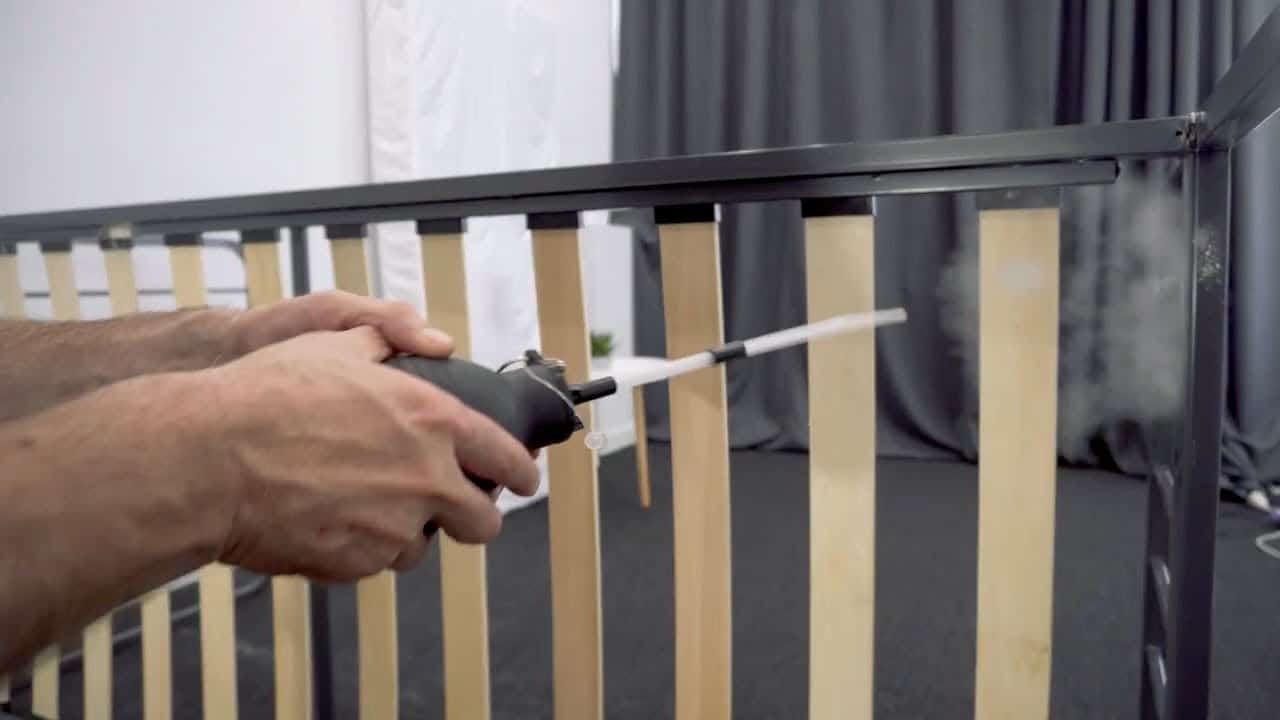
Dust the bed frame with DE to prevent nests
Control Bed Bugs With A Mattress Encasement
Prevention is key to long-term bed bug pest control.
To minimize the risk of future infestations:
- Avoid bringing second-hand furniture into your home without thoroughly inspecting it.
- Use bed bug-proof encasements on mattresses and bases.
- Regularly inspect your home for signs of bed bugs, especially after travel.
- Maintain cleanliness and reduce clutter to minimize hiding spots.
- Lightly dust the entire bed frame (joins, slats, screw holes, and headboard seams) with Diatomaceous Earth (DE) to create a long-term kill zone.
- Install bed leg barriers (Floor Barriers, Screw in or Barrier Tape) and charge them with a small amount of DE inside the wells/tray to stop and kill climbers.
- Isolate the bed: keep sheets and doona off the floor and ensure no bedding touches walls or furniture. Keep the bed at least 30 cm away from walls and other furniture to prevent alternative climbing routes.
- Backpackers and frequent travellers: as soon as you get home, wash and high-heat dry everything (clothes, towels, soft gear). Tumble-dry non-washables on high, inspect and vacuum suitcase seams, and steam if possible.
- After trips, store luggage sealed (e.g., in a plastic tote) away from the bedroom and consider a light DE dusting on external seams.
FAQs About Bed Bug Control
- Can bed bugs spread diseases?
While bed bugs do not transmit diseases, their bites can cause allergic reactions and infections from scratching. - How long does it take to eliminate a bed bug infestation?
Depending on the severity of the infestation and the methods used, it can take several weeks to months to completely eliminate bed bugs. - Are bed bugs only found in beds?
No, bed bugs can hide in furniture, clothing, luggage, and even electrical outlets.
Conclusion: Mastering Bed Bug Control for a Peaceful Home
Real control comes from a simple habit stack. Inspect, isolate the bed, steam what you can see, dust the frame for what you can’t, encase the mattress, and keep monitoring. Do that well and you wont never need a pest controller.
Know their habits, close their pathways, and stay consistent. Prevention is as important as treatment, so keep clutter down, check after travel, and be cautious with second-hand furniture. Do the steps once, keep an eye on things, and get back to sleeping through the night.
Are You Looking for an Organic DIY Treatment?
Watch Our DIY Bed Bug Control Treatment Video for an Ensemble Bed
Watch Our DIY Bed Bug Control Treatment Video for a Bed with Slats
If you have enjoyed our blog, Bed Bug Control, then you might like to read about Bed Bug Sprays At Woolworths.
Sources: Bed Bug Control
Oxford Academic (Perspectives on Biology and Management)
National Library of Medicine (Clinical Relevance and Control Options)

Tony pioneered a non-toxic, eco-friendly solution for bedbug infestations. His innovation won the ABC TV show “The New Inventors” in 2009. In 2012, he successfully registered Diatomaceous Earth for bedbug control in Australia.





Leave a Reply